The NATO Summit That Was Supposed to Be About Ukraine Became About Iran

The NATO Summit That Was Meant to Fix Everything Got Ambushed by Iran Before It Even Began

Isla Montclair

European leaders flew to Ankara with a clear plan: save NATO, secure Ukraine, and convince Trump to stay. By Wednesday morning that plan was already obsolete. Here is what actually happened and what it reveals about the state of the Western alliance.

The Summit Nobody Could Prepare For

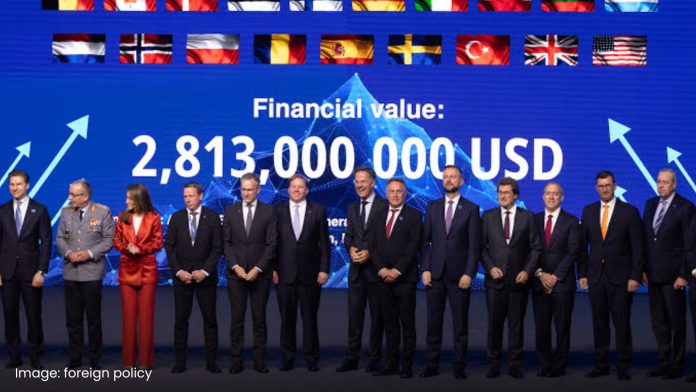
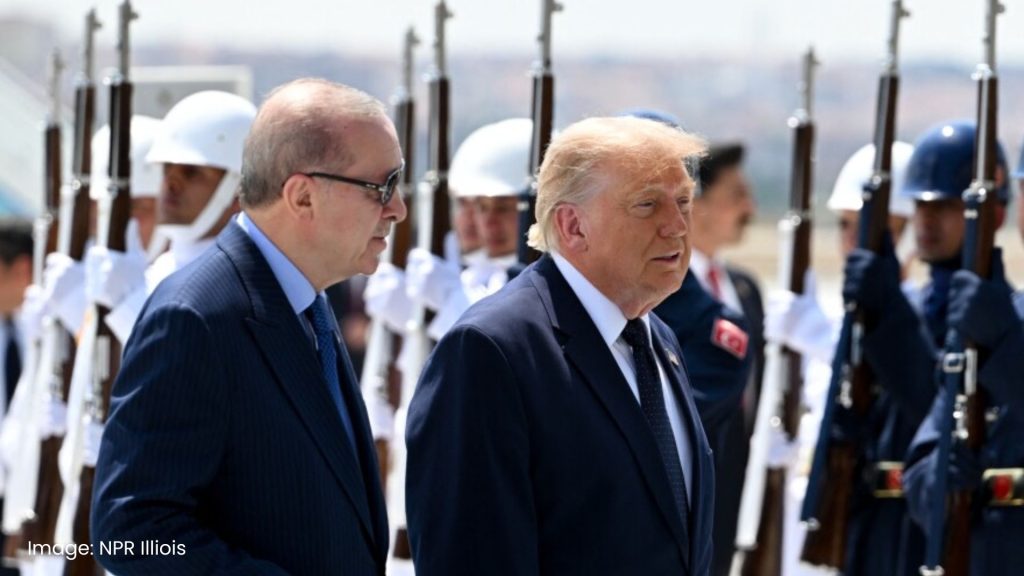
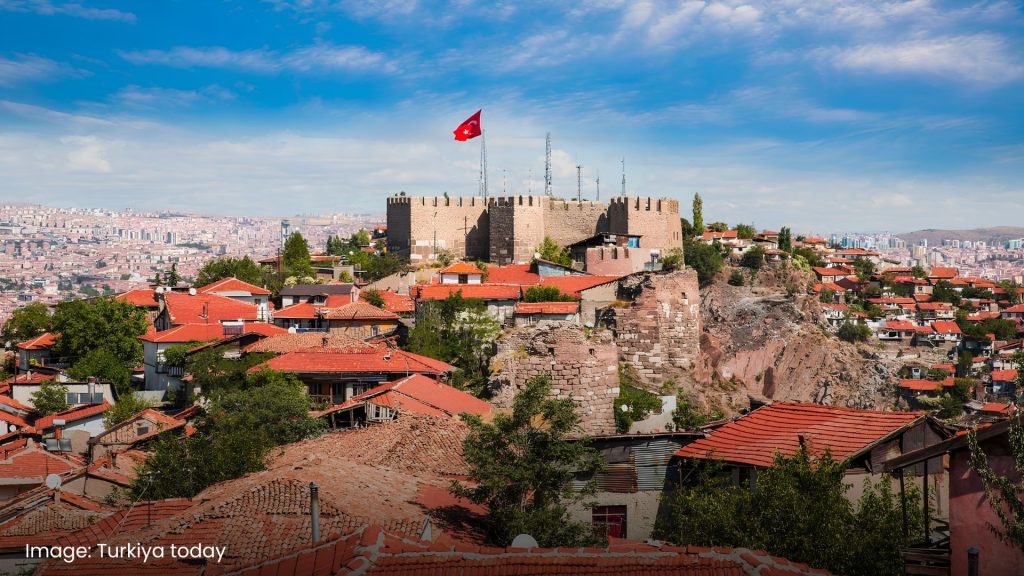
There is something almost darkly comic about the timing. European heads of government spent weeks preparing for the NATO summit in Ankara, carefully calibrating their positions on defence spending targets, drafting their arguments for continued US commitment to Ukraine, managing the optics of sitting across a table from a president who had spent months publicly scolding them. They landed in Turkey on July 7 and 8 ready for a difficult but manageable diplomatic exercise.

What they got instead was a collapsing ceasefire, new US strikes on Iran, oil prices spiking 5.3% in a single morning, and a US president who declared on camera that the deal he had called one of the great diplomatic achievements of his administration was “a waste of time” and “over.”

The summit was not hijacked by a foreign power or a surprise attack. It was hijacked by the logical consequence of a war that Europe had refused to join, a ceasefire Europe had no hand in building, and a diplomatic framework Europe had been largely excluded from. When it all fell apart in the space of 24 hours, European leaders had nothing to say because they had never had a seat at the table where any of it was decided.
What Happened in the Strait of Hormuz

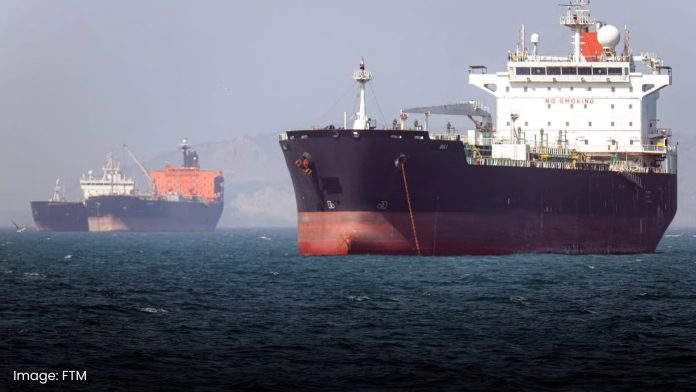
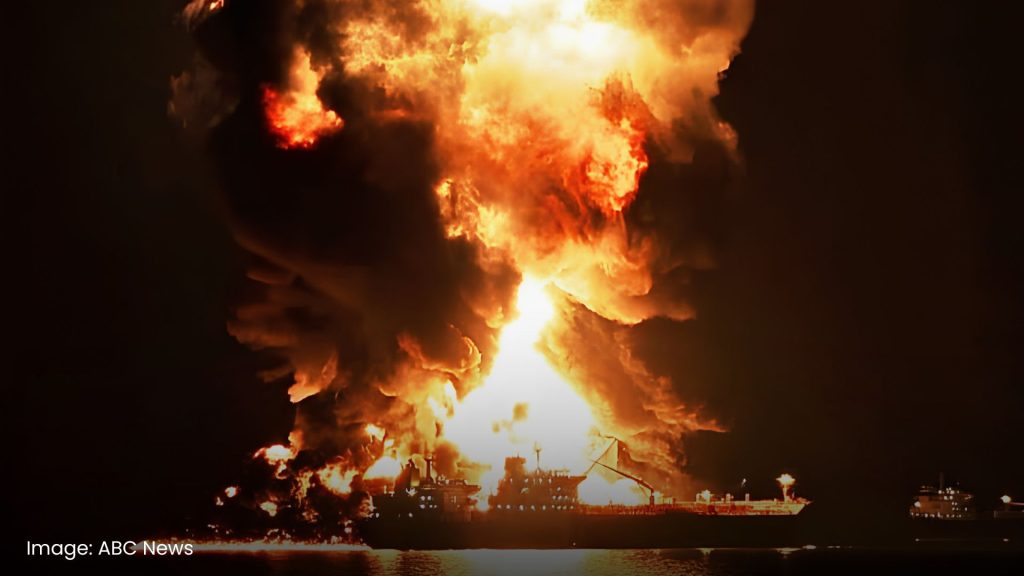
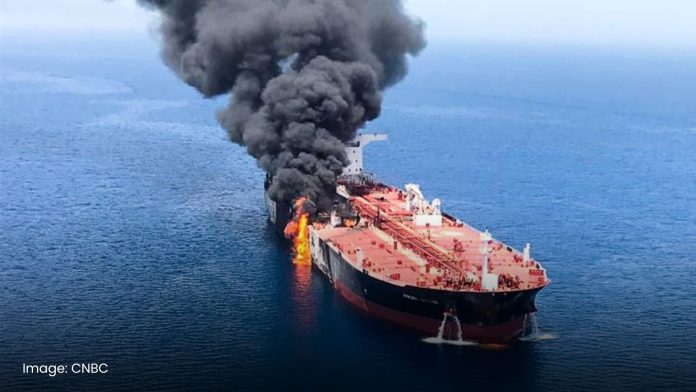
The immediate trigger was a series of attacks on commercial vessels in the Strait of Hormuz on Tuesday July 7. Three tankers were hit by projectiles. Iran did not officially claim responsibility, but its state broadcaster said at least one vessel had ignored warnings from Iranian forces before the incident.

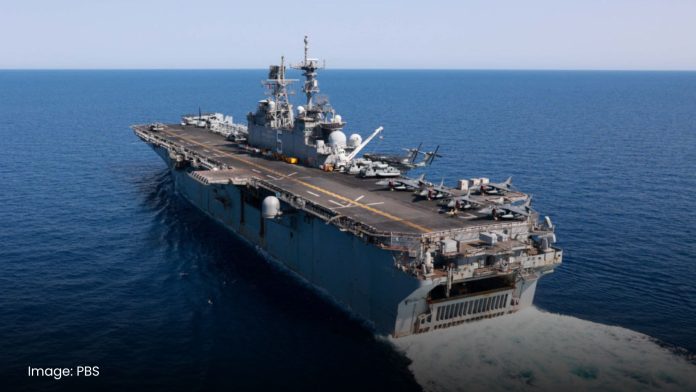
The US military responded with a new wave of strikes against Iranian targets and Trump revoked the licence that had allowed Tehran to sell oil, a measure that had been one of the central economic concessions in the Islamabad Memorandum of Understanding signed just weeks earlier. That MOU, announced with considerable fanfare as a landmark step toward regional peace, had committed both sides to 60 days of negotiations toward a permanent deal. It lasted considerably less than that.

Trump, speaking to reporters, was characteristically direct. “As far as I’m concerned, it’s over,” he said when asked about the ceasefire. He called Iran’s leaders “sick” and said it was “a waste of time dealing with them.” International benchmark Brent crude jumped 5.3% to $78.09 a barrel on the news. The main US contract, West Texas Intermediate, climbed 5.4% to $74.23. The economic consequences of the ceasefire collapse were being felt in commodity markets within hours.

Rutte’s Statement and Why It Matters

Into this chaos stepped NATO Secretary General Mark Rutte, who was at the summit in Ankara when the news broke. His response was unambiguous. “When you have a ceasefire and Iran is basically violating the ceasefire, I think it is totally crucial that the US forcefully react,” Rutte told reporters. He called the new US strikes “absolutely necessary.”

This statement deserves more scrutiny than it has received. Rutte was speaking as the head of an alliance of 32 nations, most of which refused to participate in the Iran war in any meaningful military capacity. European NATO members would not share bases, would not commit ships to the Strait of Hormuz, would not provide air cover, and pushed back hard when Trump demanded they take sides. They were not asked to fight and they made clear they would not have agreed to fight if they had been asked.

And yet here was their collective representative, at their collective summit, endorsing military action taken entirely without them. Rutte did not say the US acted within its rights. He said the strikes were absolutely necessary, a significantly stronger moral endorsement. The distinction matters because it places NATO’s institutional voice behind a military decision that NATO’s European members played no part in making and were not consulted on before it was made.
What Europe Came to Ankara to Achieve

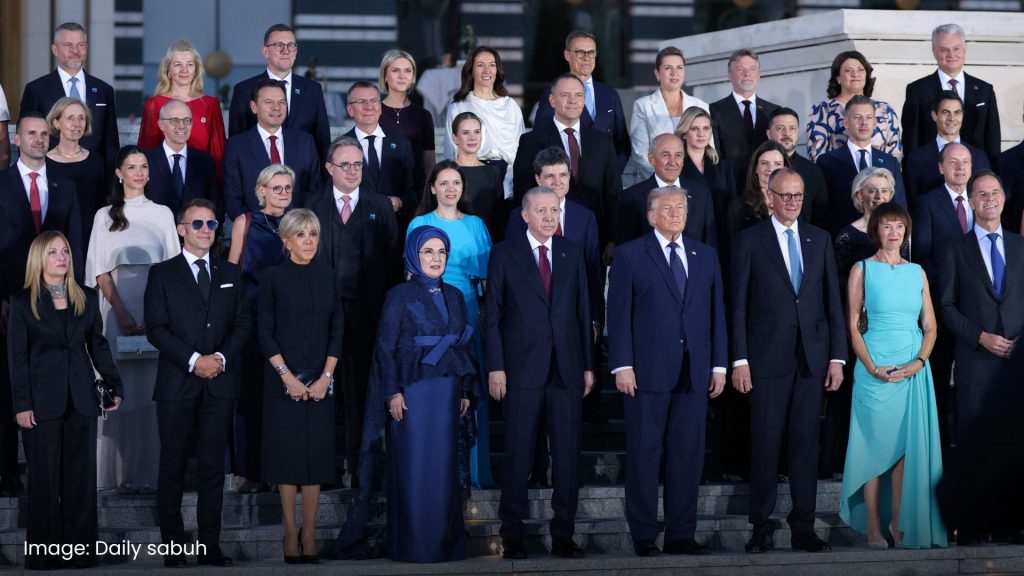
The original agenda for the Ankara summit was substantial. European leaders needed to convince Trump to recommit to the alliance after months of public criticism and threats to withdraw US forces from the continent. They needed to address the ongoing weapons gap in Ukraine, where Russia had dramatically escalated its aerial attacks and European nations had struggled to fill the void left by the US suspension of military assistance to Kyiv. They needed to negotiate around Trump’s demand that NATO allies raise defence spending to 5% of GDP by 2035, a figure that would require most members to more than double their current military budgets.

All of that was still on the table when leaders sat down. But it was now being discussed in the shadow of a live military escalation in the Middle East, a collapsing peace framework, and an oil price shock that had already rippled through global markets before the first formal session began. The summit’s bandwidth was consumed before its agenda was opened.

Trump did hold a bilateral meeting with Zelensky on the sidelines, and he said a Russia-Ukraine peace deal could be close following weekend calls with both Zelensky and Putin. But the credibility of that claim arrives in a context where the same president’s other major peace framework, the Iran deal, had just collapsed within weeks of being signed.

The Deeper Problem the Summit Exposed

The Ankara summit has exposed something that European leaders have been quietly grappling with for months but have been reluctant to state publicly. Europe’s position within NATO has fundamentally changed. The alliance’s founding logic was collective: an attack on one was an attack on all, and major decisions were made through consultation among member states. What the Iran crisis has demonstrated is that the United States is now conducting major military operations, negotiating major peace frameworks, and breaking those frameworks entirely without meaningful European involvement at any stage.

European nations are being asked to spend more, contribute more, and demonstrate greater strategic independence than at any point since the Cold War. They are doing so within an alliance where the largest military decisions are made unilaterally and presented to them as facts to be managed rather than choices to be made together.

Rutte’s defence spending optimism, his claim that European increases represent a “loss for Putin” and a “win for President Trump,” is not wrong on its own terms. European defence budgets are genuinely increasing at a pace not seen since the Cold War. But the Ankara summit has made visible a structural gap between the financial contribution Europe is being asked to make and the strategic influence it actually holds within the alliance it is being asked to fund.
That gap is the real story of what happened in Ankara on July 8, 2026. Not the strikes on Iran, not the ceasefire collapse, not the oil price spike. Those were the events. The story is the silence of 31 nations who had no say in any of them.

Sources:

Inanc

·  New US Attacks on Iran Were Absolutely Necessary, NATO Chief Says, Asharq Al Awsat: https://english.aawsat.com/world/5208031-new-us-attacks-iran-were-absolutely-necessary-nato-chief-says

·  US-Iran Latest: Trump says ceasefire with Iran is over, CBS News: https://www.cbsnews.com/live-updates/iran-us-war-strait-of-hormuz-trump-nato/

·  Trump arrives in Turkey for NATO summit as he piles pressure on alliance, CNN: https://edition.cnn.com/2026/07/07/world/live-news/nato-summit-trump

·  NATO braces for difficult summit as Trump puts pressure on spending, The Guardian: https://www.theguardian.com/world/2026/jul/07/nato-braces-for-difficult-summit-as-trump-puts-pressure-on-spending

·  NATO’s Turkey summit live updates, Al Jazeera: https://www.aljazeera.com/news/liveblog/2026/7/7/natos-turkiye-summit-live-trump-leaders-to-meet-in-ankara
The NATO Summit That Was Meant to Fix Everything Got Ambushed by Iran Before It Even Began

Isla Montclair

European leaders flew to Ankara with a clear plan: save NATO, secure Ukraine, and convince Trump to stay. By Wednesday morning that plan was already obsolete. Here is what actually happened and what it reveals about the state of the Western alliance.

The Summit Nobody Could Prepare For

There is something almost darkly comic about the timing. European heads of government spent weeks preparing for the NATO summit in Ankara, carefully calibrating their positions on defence spending targets, drafting their arguments for continued US commitment to Ukraine, managing the optics of sitting across a table from a president who had spent months publicly scolding them. They landed in Turkey on July 7 and 8 ready for a difficult but manageable diplomatic exercise.

What they got instead was a collapsing ceasefire, new US strikes on Iran, oil prices spiking 5.3% in a single morning, and a US president who declared on camera that the deal he had called one of the great diplomatic achievements of his administration was “a waste of time” and “over.”

The summit was not hijacked by a foreign power or a surprise attack. It was hijacked by the logical consequence of a war that Europe had refused to join, a ceasefire Europe had no hand in building, and a diplomatic framework Europe had been largely excluded from. When it all fell apart in the space of 24 hours, European leaders had nothing to say because they had never had a seat at the table where any of it was decided.

What Happened in the Strait of Hormuz

The immediate trigger was a series of attacks on commercial vessels in the Strait of Hormuz on Tuesday July 7. Three tankers were hit by projectiles. Iran did not officially claim responsibility, but its state broadcaster said at least one vessel had ignored warnings from Iranian forces before the incident.

The US military responded with a new wave of strikes against Iranian targets and Trump revoked the licence that had allowed Tehran to sell oil, a measure that had been one of the central economic concessions in the Islamabad Memorandum of Understanding signed just weeks earlier. That MOU, announced with considerable fanfare as a landmark step toward regional peace, had committed both sides to 60 days of negotiations toward a permanent deal. It lasted considerably less than that.

Trump, speaking to reporters, was characteristically direct. “As far as I’m concerned, it’s over,” he said when asked about the ceasefire. He called Iran’s leaders “sick” and said it was “a waste of time dealing with them.” International benchmark Brent crude jumped 5.3% to $78.09 a barrel on the news. The main US contract, West Texas Intermediate, climbed 5.4% to $74.23. The economic consequences of the ceasefire collapse were being felt in commodity markets within hours.

Rutte’s Statement and Why It Matters

Into this chaos stepped NATO Secretary General Mark Rutte, who was at the summit in Ankara when the news broke. His response was unambiguous. “When you have a ceasefire and Iran is basically violating the ceasefire, I think it is totally crucial that the US forcefully react,” Rutte told reporters. He called the new US strikes “absolutely necessary.”

This statement deserves more scrutiny than it has received. Rutte was speaking as the head of an alliance of 32 nations, most of which refused to participate in the Iran war in any meaningful military capacity. European NATO members would not share bases, would not commit ships to the Strait of Hormuz, would not provide air cover, and pushed back hard when Trump demanded they take sides. They were not asked to fight and they made clear they would not have agreed to fight if they had been asked.

And yet here was their collective representative, at their collective summit, endorsing military action taken entirely without them. Rutte did not say the US acted within its rights. He said the strikes were absolutely necessary, a significantly stronger moral endorsement. The distinction matters because it places NATO’s institutional voice behind a military decision that NATO’s European members played no part in making and were not consulted on before it was made.

What Europe Came to Ankara to Achieve

The original agenda for the Ankara summit was substantial. European leaders needed to convince Trump to recommit to the alliance after months of public criticism and threats to withdraw US forces from the continent. They needed to address the ongoing weapons gap in Ukraine, where Russia had dramatically escalated its aerial attacks and European nations had struggled to fill the void left by the US suspension of military assistance to Kyiv. They needed to negotiate around Trump’s demand that NATO allies raise defence spending to 5% of GDP by 2035, a figure that would require most members to more than double their current military budgets.

All of that was still on the table when leaders sat down. But it was now being discussed in the shadow of a live military escalation in the Middle East, a collapsing peace framework, and an oil price shock that had already rippled through global markets before the first formal session began. The summit’s bandwidth was consumed before its agenda was opened.

Trump did hold a bilateral meeting with Zelensky on the sidelines, and he said a Russia-Ukraine peace deal could be close following weekend calls with both Zelensky and Putin. But the credibility of that claim arrives in a context where the same president’s other major peace framework, the Iran deal, had just collapsed within weeks of being signed.

The Deeper Problem the Summit Exposed

The Ankara summit has exposed something that European leaders have been quietly grappling with for months but have been reluctant to state publicly. Europe’s position within NATO has fundamentally changed. The alliance’s founding logic was collective: an attack on one was an attack on all, and major decisions were made through consultation among member states. What the Iran crisis has demonstrated is that the United States is now conducting major military operations, negotiating major peace frameworks, and breaking those frameworks entirely without meaningful European involvement at any stage.

European nations are being asked to spend more, contribute more, and demonstrate greater strategic independence than at any point since the Cold War. They are doing so within an alliance where the largest military decisions are made unilaterally and presented to them as facts to be managed rather than choices to be made together.

Rutte’s defence spending optimism, his claim that European increases represent a “loss for Putin” and a “win for President Trump,” is not wrong on its own terms. European defence budgets are genuinely increasing at a pace not seen since the Cold War. But the Ankara summit has made visible a structural gap between the financial contribution Europe is being asked to make and the strategic influence it actually holds within the alliance it is being asked to fund.

That gap is the real story of what happened in Ankara on July 8, 2026. Not the strikes on Iran, not the ceasefire collapse, not the oil price spike. Those were the events. The story is the silence of 31 nations who had no say in any of them.

Sources:

Inanc

·  New US Attacks on Iran Were Absolutely Necessary, NATO Chief Says, Asharq Al Awsat: https://english.aawsat.com/world/5208031-new-us-attacks-iran-were-absolutely-necessary-nato-chief-says

·  US-Iran Latest: Trump says ceasefire with Iran is over, CBS News: https://www.cbsnews.com/live-updates/iran-us-war-strait-of-hormuz-trump-nato/

·  Trump arrives in Turkey for NATO summit as he piles pressure on alliance, CNN: https://edition.cnn.com/2026/07/07/world/live-news/nato-summit-trump

·  NATO braces for difficult summit as Trump puts pressure on spending, The Guardian: https://www.theguardian.com/world/2026/jul/07/nato-braces-for-difficult-summit-as-trump-puts-pressure-on-spending

·  NATO’s Turkey summit live updates, Al Jazeera: https://www.aljazeera.com/news/liveblog/2026/7/7/natos-turkiye-summit-live-trump-leaders-to-meet-in-ankara
spot_img

Explore more

spot_img
Global Affairs

Foreign Countries Are Fueling Myanmar’s War for Their Own Benefit

What Are the US and Iran Actually Negotiating Through Oman

UN Official Calls West Bank Attacks “Pogroms,” Wants Weapons Ban on...

UN Rights Chief Wins Second Term, But the US, Israel and...

A Super El Nino Could Cost the World Up to 7...

Trump to Use Frozen Iranian Money, Worth Billions, to Pay for...

Iran Rejects New US Ceasefire Offer, Says It Rejected a Broken...