They won an award for rebuilding a home they still don’t have.

They Won an Award for Rebuilding a Home They Still Don’t Have: The Hope Narrative vs Reality Gap in Gaza

Maryam Tariq

HOPE STORY AND GLOBAL RECOGNITION
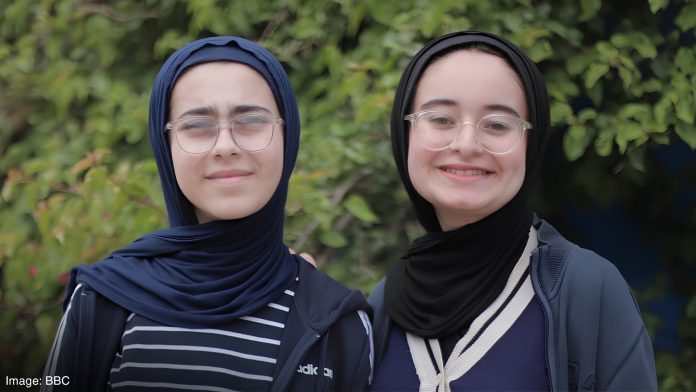
In Gaza, two teenage sisters have been internationally recognized for an innovation that turns war rubble into reusable bricks. Their method involves crushing debris from destroyed buildings and mixing it with materials like clay, ash, and glass powder to create low cost construction blocks.

The project has been celebrated globally as a symbol of resilience and creativity. It shows how young people in conflict zones are developing practical solutions to survive and rebuild under extreme conditions.
The award they received is presented as a success story of environmental innovation and youth driven change in crisis zones.

THE EMOTIONAL TENSION BEHIND THE AWARD
But behind the recognition lies a deeper emotional contradiction.

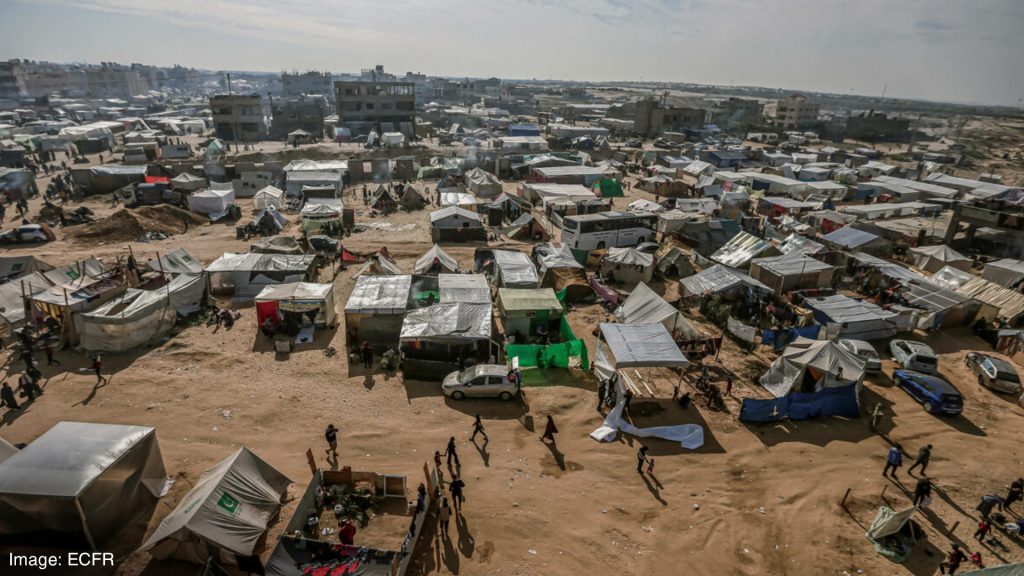
The same sisters who are being celebrated for “rebuilding” remain without a rebuilt home themselves. After losing their house in the conflict, they continue to live in temporary tented conditions alongside other displaced families.

This creates a powerful emotional tension. The world sees a story of reconstruction. They are still living inside the aftermath of destruction.

The phrase they won an award for rebuilding a home they still don’t have captures this gap between global narrative and lived reality.

GROUND REALITY OF DISPLACEMENT AND INSTABILITY
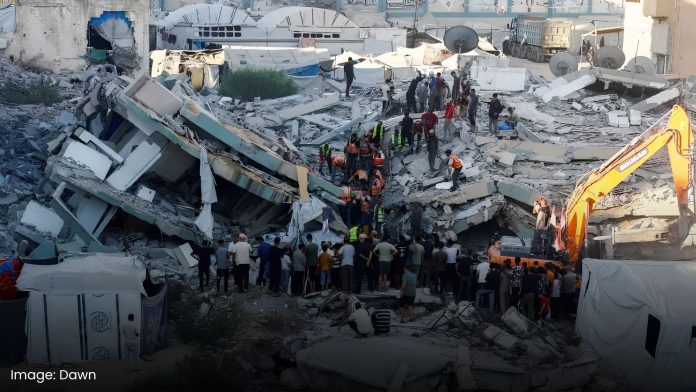
Across Gaza, the scale of displacement remains severe. More than 1.9 million people have been forced from their homes since the escalation of conflict, according to UN estimates.

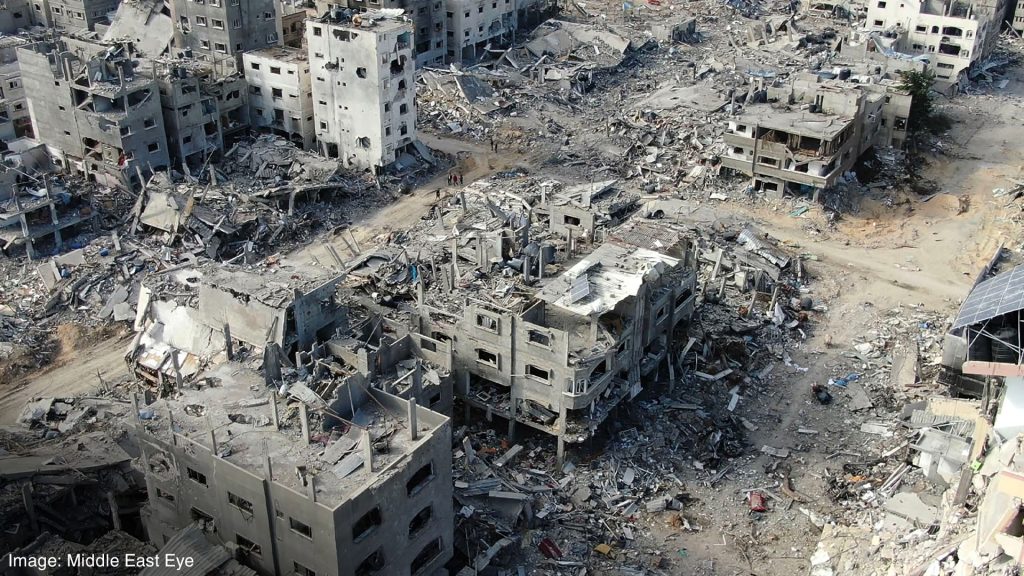
Entire neighborhoods remain in ruins, with many families still relying on temporary shelters and aid dependent living conditions. Infrastructure damage has made long term stability difficult, with reconstruction efforts struggling to match the scale of destruction.

For many, daily life is still defined by uncertainty, instability, and lack of permanent housing.

HOPE NARRATIVE VS REALITY GAP
This story highlights a wider global pattern where hope narratives and reality diverge.
Innovation stories from crisis zones often become symbols of inspiration. They travel quickly, are widely shared, and are celebrated as signs of recovery.

But on the ground, recovery is not a moment. It is a long process that often lags far behind the symbolism of awards and recognition.

In Gaza, that gap is visible. Hope is being recognized, but stability has not yet returned.
The story of the Gaza sisters is both inspiring and unsettling. It shows human creativity under extreme pressure, but also exposes the distance between symbolic achievement and real reconstruction.

They were honored for rebuilding. But their own rebuilding is still waiting to begin.

Sources:

BBC News (Gaza sisters win Earth Prize for rubble bricks)
https://www.bbc.com/news/world-middle-east-69000000

Al Jazeera (Gaza sisters turn rubble into reusable bricks)
https://www.aljazeera.com/video/newsfeed/2026/5/21/gaza-sisters-win-earth-prize-for-turning-war-rubble-into-bricks

The Irish Times (Earth Prize Gaza winners report)
https://www.irishtimes.com/world/middle-east/2026/05/26/gaza-teenage-sisters-win-award-for-turning-rubble-into-reusable-bricks/

The New Arab (Earth Prize Gaza sisters coverage)
https://www.newarab.com/news/gaza-sisters-awarded-earth-prize-turning-rubble-bricks

Reuters (Earth Prize 2026 winners overview)
https://www.reuters.com/sustainability/earth-prize-winners-british-energy-reforms-2026-05-15/ Earth Foundation (official Earth Prize information)
https://www.theearthprize.org/

They Won an Award for Rebuilding a Home They Still Don’t Have: The Hope Narrative vs Reality Gap in Gaza

Maryam Tariq

HOPE STORY AND GLOBAL RECOGNITION
In Gaza, two teenage sisters have been internationally recognized for an innovation that turns war rubble into reusable bricks. Their method involves crushing debris from destroyed buildings and mixing it with materials like clay, ash, and glass powder to create low cost construction blocks.

The project has been celebrated globally as a symbol of resilience and creativity. It shows how young people in conflict zones are developing practical solutions to survive and rebuild under extreme conditions.

The award they received is presented as a success story of environmental innovation and youth driven change in crisis zones.

THE EMOTIONAL TENSION BEHIND THE AWARD
But behind the recognition lies a deeper emotional contradiction.

The same sisters who are being celebrated for “rebuilding” remain without a rebuilt home themselves. After losing their house in the conflict, they continue to live in temporary tented conditions alongside other displaced families.

This creates a powerful emotional tension. The world sees a story of reconstruction. They are still living inside the aftermath of destruction.

The phrase they won an award for rebuilding a home they still don’t have captures this gap between global narrative and lived reality.

GROUND REALITY OF DISPLACEMENT AND INSTABILITY
Across Gaza, the scale of displacement remains severe. More than 1.9 million people have been forced from their homes since the escalation of conflict, according to UN estimates.

Entire neighborhoods remain in ruins, with many families still relying on temporary shelters and aid dependent living conditions. Infrastructure damage has made long term stability difficult, with reconstruction efforts struggling to match the scale of destruction.

For many, daily life is still defined by uncertainty, instability, and lack of permanent housing.

HOPE NARRATIVE VS REALITY GAP
This story highlights a wider global pattern where hope narratives and reality diverge.

Innovation stories from crisis zones often become symbols of inspiration. They travel quickly, are widely shared, and are celebrated as signs of recovery.

But on the ground, recovery is not a moment. It is a long process that often lags far behind the symbolism of awards and recognition.

In Gaza, that gap is visible. Hope is being recognized, but stability has not yet returned.
The story of the Gaza sisters is both inspiring and unsettling. It shows human creativity under extreme pressure, but also exposes the distance between symbolic achievement and real reconstruction.

They were honored for rebuilding. But their own rebuilding is still waiting to begin.

Sources:

BBC News (Gaza sisters win Earth Prize for rubble bricks)
https://www.bbc.com/news/world-middle-east-69000000

Al Jazeera (Gaza sisters turn rubble into reusable bricks)
https://www.aljazeera.com/video/newsfeed/2026/5/21/gaza-sisters-win-earth-prize-for-turning-war-rubble-into-bricks

The Irish Times (Earth Prize Gaza winners report)
https://www.irishtimes.com/world/middle-east/2026/05/26/gaza-teenage-sisters-win-award-for-turning-rubble-into-reusable-bricks/

The New Arab (Earth Prize Gaza sisters coverage)
https://www.newarab.com/news/gaza-sisters-awarded-earth-prize-turning-rubble-bricks

Reuters (Earth Prize 2026 winners overview)
https://www.reuters.com/sustainability/earth-prize-winners-british-energy-reforms-2026-05-15/ Earth Foundation (official Earth Prize information)
https://www.theearthprize.org/

spot_img

Explore more

spot_img
Global Affairs

AI Created the Vaccine

FIFA Wants the Money Back

Major Blow to US Peace Efforts

FIFA Introduces AI offside tech for 2026 World Cup

One Sided Ceasefire Is Rejected

Can You Buy Shares in SpaceX

Ceasefire With Conditions on One Side

World Cup 2026 Kicks Off Across Three Nations in Biggest Edition...