Beijing Summit on Iran Crisis
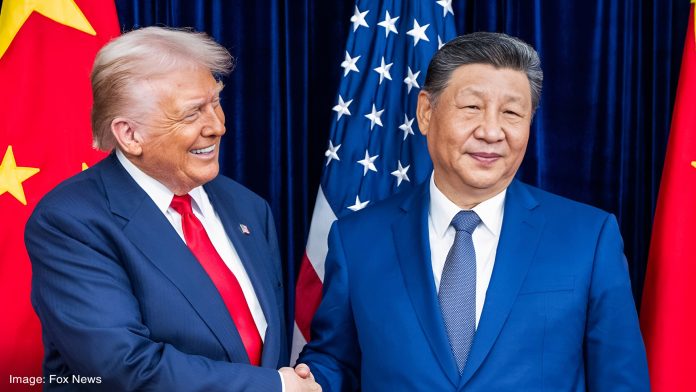
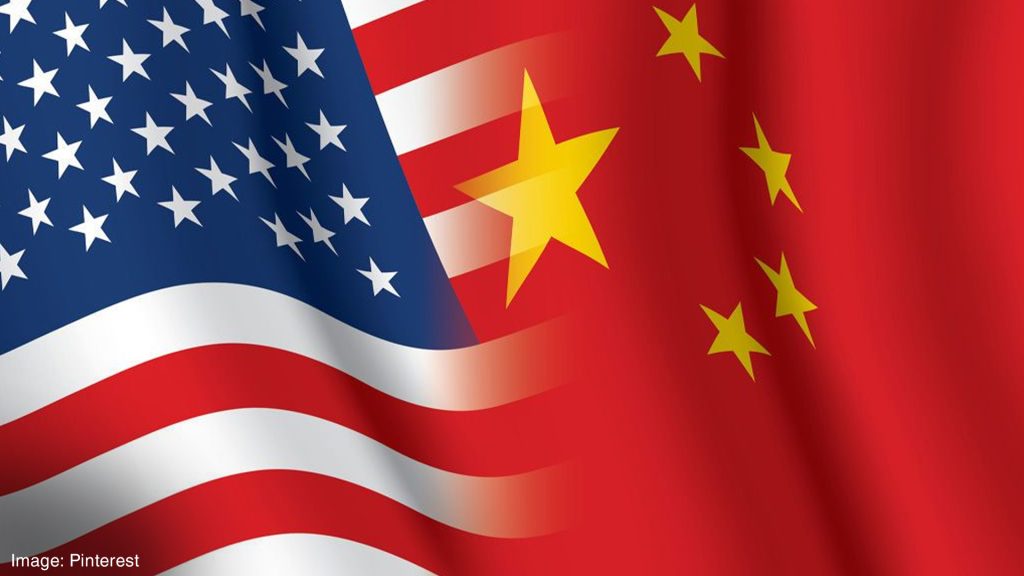
During a high-level summit in Beijing, US President Donald Trump and Chinese President Xi Jinping discussed the escalating Iran conflict, with a strong focus on nuclear risks, maritime security, and global energy stability.
Nuclear Red Lines and Hormuz Security
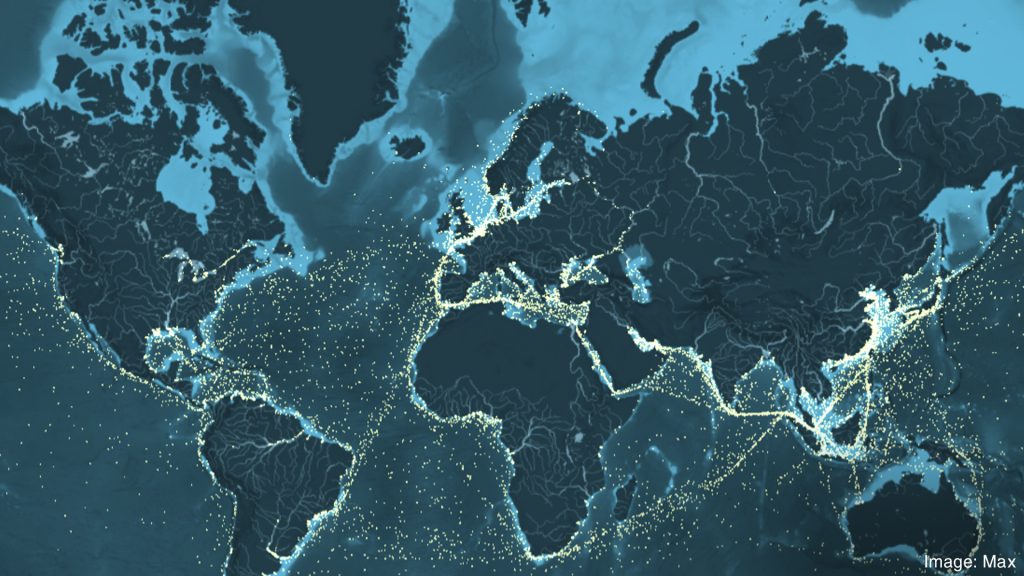
According to White House, both leaders agreed that Iran must not be allowed to develop nuclear weapons. They also emphasized the importance of keeping the Strait of Hormuz open, a key global shipping route through which a large share of the world’s oil supply flows. Xi Jinping also opposed any militarisation of the waterway, warning against further escalation.
Energy Interests and Strategic Calculations
Xi reportedly signaled interest in increasing Chinese purchases of US oil as Middle East disruptions continue to affect global energy markets. This reflects China’s effort to stabilize supply chains while balancing its long-standing energy ties with Iran.
Diverging Approaches on Iran
Despite limited alignment, major differences remain. US officials pushed for stronger Chinese involvement in pressuring Iran, while Trump downplayed the need for external assistance. China continues to maintain economic ties with Tehran, purchasing the majority of Iran’s oil exports and rejecting unilateral US sanctions.
Iran and the Regional Chessboard
At the same time, reports suggest Iran has facilitated safer passage for China-linked vessels in the Strait of Hormuz, highlighting shifting regional alignments. Analysts say the summit reflects cautious cooperation between two global rivals, shaped more by economic pressure than shared strategy.
Sources: Hindustan Times / Dawn / Reuters Analysis / US State Department Briefings / Chinese Foreign Ministry Statements