Two Ceasefires At Risk

Two Ceasefires Are Quietly Falling Apart Across the Middle East

Maryam Tariq

Gaza Ceasefire Faces New Collapse Warnings

The fragile Gaza ceasefire is once again under pressure after Hamas warned that continued Israeli strikes and assassinations could completely destroy the agreement. The warning came after Israeli attacks over the past two days reportedly killed at least 20 people, including civilians and senior Hamas figures.

One of the strikes hit a residential building in Gaza City during Eid celebrations, killing 10 people including women and children. Israeli media claimed the operation targeted senior commanders linked to Hamas’s northern Gaza brigades. Earlier this week, another strike killed Mohammed Odah, recently appointed head of Hamas’s armed wing.

Hamas accused Israel of repeatedly violating the ceasefire agreement and called on international mediators, including the United States, to intervene before the situation fully collapses.

According to Palestinian authorities, more than 906 Palestinians have reportedly been killed since the October ceasefire began. Gaza’s Government Media Office says Israeli violations of the agreement have now exceeded 3,000 incidents, including air strikes, aid restrictions, territorial expansion, and limitations on medical evacuations.

US Iran Ceasefire Also Under Pressure

At the same time, another fragile ceasefire involving the United States and Iran is beginning to crack.

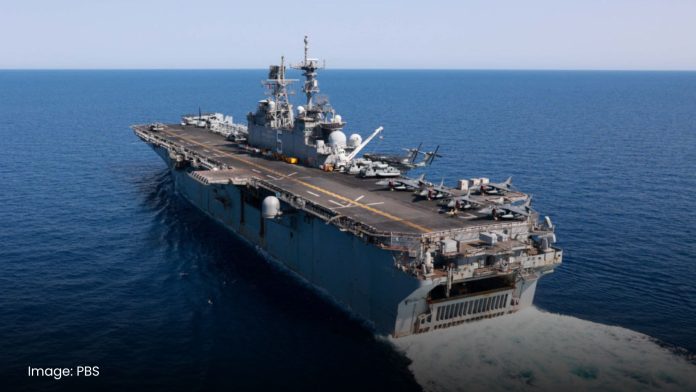
Fresh US strikes near Bandar Abbas triggered retaliatory action from Iran’s Islamic Revolutionary Guard Corps. Iran claimed it targeted a US linked military base after American forces struck a site near the Strait of Hormuz.

Kuwait later confirmed that its air defenses intercepted hostile missiles and drones during the escalation. US Central Command described the Iranian attack as an “egregious ceasefire violation”.

This marks the third direct military exchange between Washington and Tehran since the ceasefire framework was announced earlier this year.

Strait of Hormuz Becomes Global Pressure Point

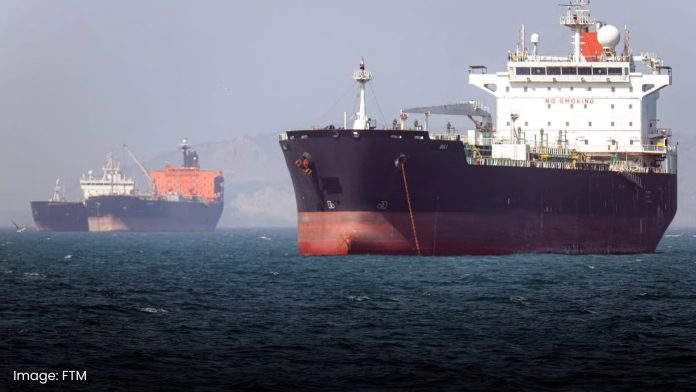
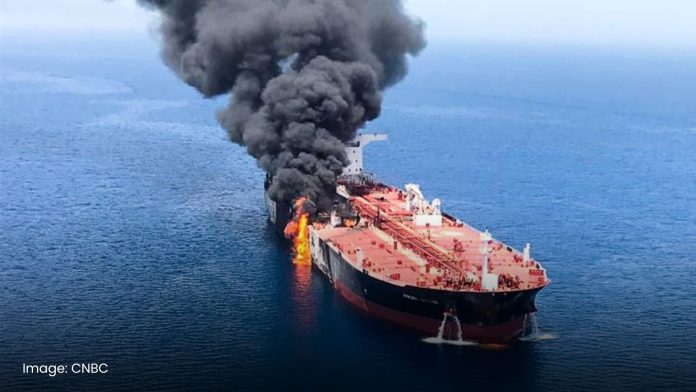
The renewed escalation has also increased fears surrounding the Strait of Hormuz, one of the world’s most important energy routes. Nearly 20 percent of global oil and gas trade passes through the narrow waterway.

As tensions rose, oil prices rebounded sharply, with crude futures climbing more than 3 percent. Investors fear that any wider military confrontation could heavily disrupt global energy supplies and shipping routes.

Diplomacy Continues While Attacks Continue

Despite the military exchanges, leaders on all sides continue to publicly discuss diplomacy. US President Donald Trump recently claimed negotiations with Iran were progressing, although Washington later rejected reports of a near final agreement.

In Gaza, mediators are also still attempting to preserve the ceasefire even as violence intensifies.

The dangerous reality is that both conflicts are now trapped in the same pattern. Negotiations continue publicly while military escalation continues simultaneously. Historically, this is often the stage where ceasefires become most unstable and closest to collapse.

Sources: Middle East Eye / BBC / Al Jazeera / Reuters / AFP / Associated Press / IRIB / Kan News
Two Ceasefires Are Quietly Falling Apart Across the Middle East

Maryam Tariq

Gaza Ceasefire Faces New Collapse Warnings

The fragile Gaza ceasefire is once again under pressure after Hamas warned that continued Israeli strikes and assassinations could completely destroy the agreement. The warning came after Israeli attacks over the past two days reportedly killed at least 20 people, including civilians and senior Hamas figures.

One of the strikes hit a residential building in Gaza City during Eid celebrations, killing 10 people including women and children. Israeli media claimed the operation targeted senior commanders linked to Hamas’s northern Gaza brigades. Earlier this week, another strike killed Mohammed Odah, recently appointed head of Hamas’s armed wing.

Hamas accused Israel of repeatedly violating the ceasefire agreement and called on international mediators, including the United States, to intervene before the situation fully collapses.

According to Palestinian authorities, more than 906 Palestinians have reportedly been killed since the October ceasefire began. Gaza’s Government Media Office says Israeli violations of the agreement have now exceeded 3,000 incidents, including air strikes, aid restrictions, territorial expansion, and limitations on medical evacuations.

US Iran Ceasefire Also Under Pressure

At the same time, another fragile ceasefire involving the United States and Iran is beginning to crack.

Fresh US strikes near Bandar Abbas triggered retaliatory action from Iran’s Islamic Revolutionary Guard Corps. Iran claimed it targeted a US linked military base after American forces struck a site near the Strait of Hormuz.

Kuwait later confirmed that its air defenses intercepted hostile missiles and drones during the escalation. US Central Command described the Iranian attack as an “egregious ceasefire violation”.

This marks the third direct military exchange between Washington and Tehran since the ceasefire framework was announced earlier this year.

Strait of Hormuz Becomes Global Pressure Point

The renewed escalation has also increased fears surrounding the Strait of Hormuz, one of the world’s most important energy routes. Nearly 20 percent of global oil and gas trade passes through the narrow waterway.

As tensions rose, oil prices rebounded sharply, with crude futures climbing more than 3 percent. Investors fear that any wider military confrontation could heavily disrupt global energy supplies and shipping routes.

Diplomacy Continues While Attacks Continue

Despite the military exchanges, leaders on all sides continue to publicly discuss diplomacy. US President Donald Trump recently claimed negotiations with Iran were progressing, although Washington later rejected reports of a near final agreement.

In Gaza, mediators are also still attempting to preserve the ceasefire even as violence intensifies.

The dangerous reality is that both conflicts are now trapped in the same pattern. Negotiations continue publicly while military escalation continues simultaneously. Historically, this is often the stage where ceasefires become most unstable and closest to collapse.

Sources: Middle East Eye / BBC / Al Jazeera / Reuters / AFP / Associated Press / IRIB / Kan News
spot_img

Explore more

spot_img
Global Affairs

Middle East Sky Turns Into War Zone

How Eid becomes a global diplomacy moment 

While some celebrate Eid… others survive it

The Universe Responded After We Sent the First Signal

Your Brain Is Not Deciding What Goes Viral

War Destroys Civilians Before It Ends Nations

The Countries Paying the Highest Price for Climate Change

Messi Exits MLS Game in Injury Scare Ahead of World Cup