Why the Russia–Ukraine War Isn’t Ending

Deadly Russian Strikes Escalate as Ukraine War Enters Deadlock Phase

Maryam Tariq

Missile Attack Kyiv

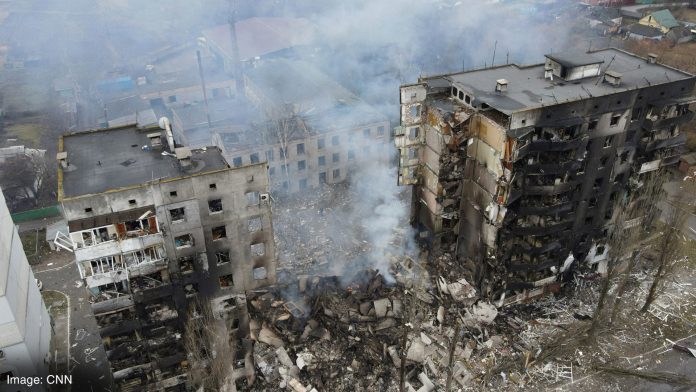
Russia carried out a large-scale missile and drone attack on Ukraine, with Kyiv identified as the main target. Ukrainian officials reported at least 4 deaths and around 100 injuries, while residential buildings, schools, an opera house, and a museum were damaged during the overnight strikes.

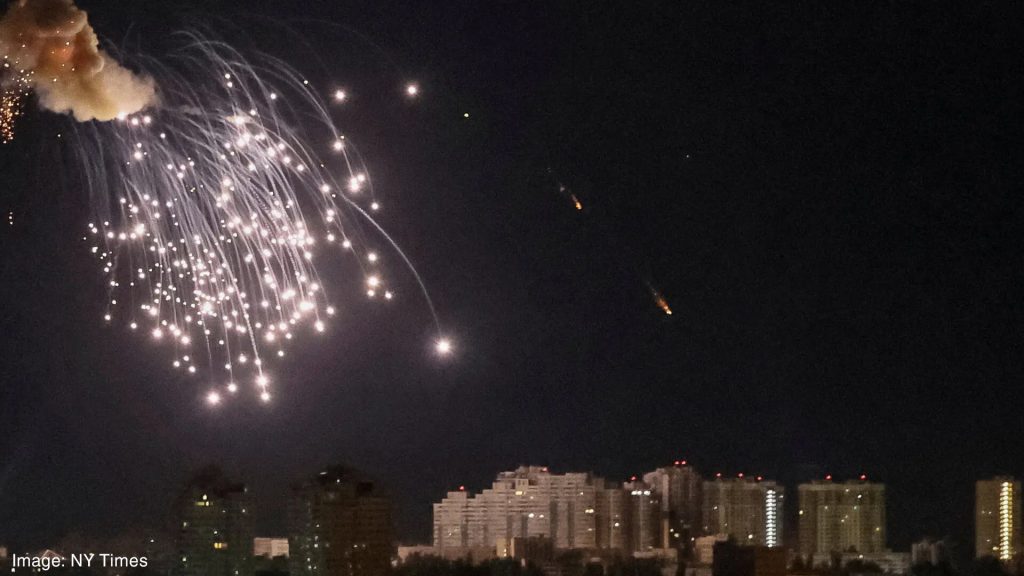
The assault involved hundreds of drones and dozens of missiles, highlighting how the war has shifted toward long-range aerial warfare rather than direct battlefield advances. Ukraine said it successfully intercepted many incoming weapons, but significant destruction still occurred across the capital and surrounding regions.

Civilian Damage Infrastructure

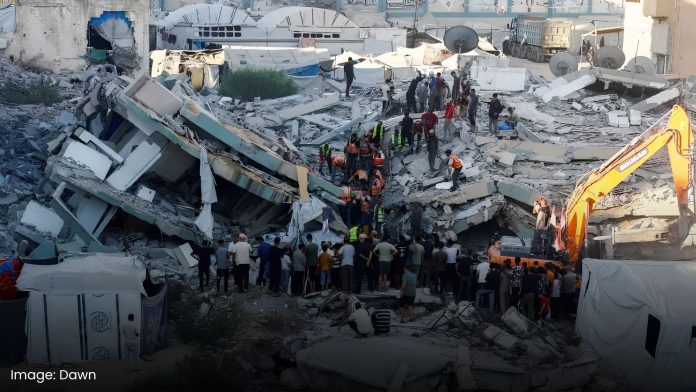
The attack caused widespread civilian harm, with emergency services responding to multiple fires and collapsed buildings. Power disruptions and infrastructure damage were also reported in affected areas.

Officials say civilian infrastructure remains a major target despite repeated international calls to avoid such strikes. The scale of destruction shows how deeply the conflict has expanded beyond military zones into urban life.
War Attrition Strategy

Military analysts describe the conflict as a war of attrition, where both Russia and Ukraine aim to gradually weaken each other rather than achieve quick victories. This includes continuous drone warfare, missile strikes, and cross-border attacks.

Ukraine has also launched strikes inside Russia, including energy facilities in border regions like Belgorod, leading to temporary disruptions in electricity and water supply.

Territorial Deadlock Peace

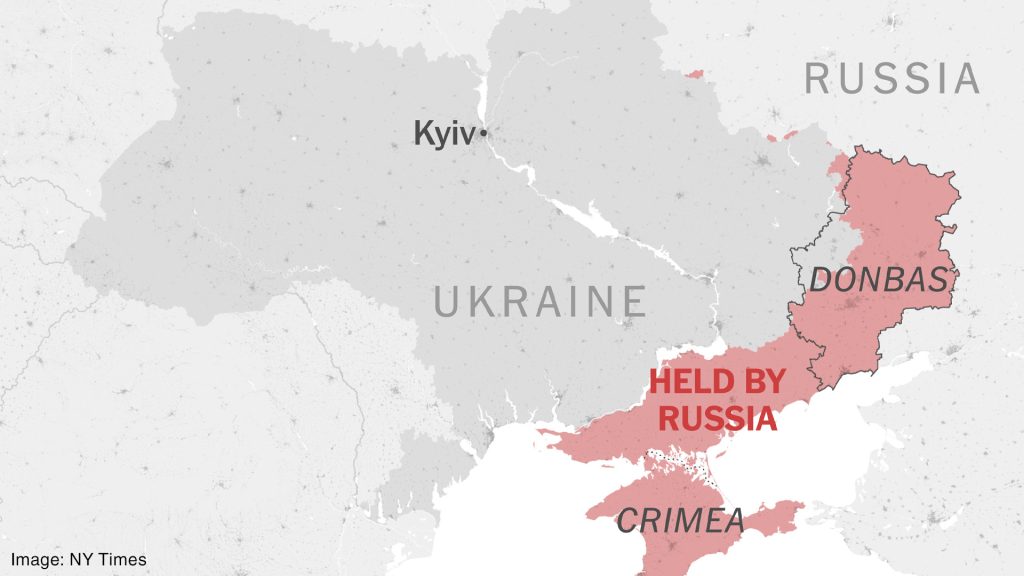
A key barrier to ending the war is the territorial deadlock. Russia demands Ukraine withdraw from Donbas and other occupied territories, while Ukraine rejects any land concessions. Both governments view compromise as politically unacceptable, making negotiations extremely difficult.

Security Guarantees Standoff

Another major issue is security. Russia wants Ukraine to remain neutral and reduce military cooperation with the West. Ukraine, however, argues that only strong international guarantees can prevent future invasions, especially after repeated escalations since 2022.

Political Risk Stalemate

Even if negotiations progress, leaders on both sides face domestic political risks. Any agreement requiring compromise on land or sovereignty could be seen as weakness, reducing incentives to end the war quickly.
Since Russia’s full-scale invasion began in February 2022, the war has resulted in massive casualties, widespread destruction, and millions displaced. With both sides still able to sustain military operations, the conflict remains locked in a cycle of escalation rather than resolution.

Sources: BBC / Reuters / Al Jazeera / CSIS
Deadly Russian Strikes Escalate as Ukraine War Enters Deadlock Phase

Maryam Tariq

Missile Attack Kyiv

Russia carried out a large-scale missile and drone attack on Ukraine, with Kyiv identified as the main target. Ukrainian officials reported at least 4 deaths and around 100 injuries, while residential buildings, schools, an opera house, and a museum were damaged during the overnight strikes.

The assault involved hundreds of drones and dozens of missiles, highlighting how the war has shifted toward long-range aerial warfare rather than direct battlefield advances. Ukraine said it successfully intercepted many incoming weapons, but significant destruction still occurred across the capital and surrounding regions.

Civilian Damage Infrastructure

The attack caused widespread civilian harm, with emergency services responding to multiple fires and collapsed buildings. Power disruptions and infrastructure damage were also reported in affected areas.

Officials say civilian infrastructure remains a major target despite repeated international calls to avoid such strikes. The scale of destruction shows how deeply the conflict has expanded beyond military zones into urban life.

War Attrition Strategy

Military analysts describe the conflict as a war of attrition, where both Russia and Ukraine aim to gradually weaken each other rather than achieve quick victories. This includes continuous drone warfare, missile strikes, and cross-border attacks.

Ukraine has also launched strikes inside Russia, including energy facilities in border regions like Belgorod, leading to temporary disruptions in electricity and water supply.

Territorial Deadlock Peace

A key barrier to ending the war is the territorial deadlock. Russia demands Ukraine withdraw from Donbas and other occupied territories, while Ukraine rejects any land concessions. Both governments view compromise as politically unacceptable, making negotiations extremely difficult.

Security Guarantees Standoff

Another major issue is security. Russia wants Ukraine to remain neutral and reduce military cooperation with the West. Ukraine, however, argues that only strong international guarantees can prevent future invasions, especially after repeated escalations since 2022.

Political Risk Stalemate

Even if negotiations progress, leaders on both sides face domestic political risks. Any agreement requiring compromise on land or sovereignty could be seen as weakness, reducing incentives to end the war quickly.

Since Russia’s full-scale invasion began in February 2022, the war has resulted in massive casualties, widespread destruction, and millions displaced. With both sides still able to sustain military operations, the conflict remains locked in a cycle of escalation rather than resolution.

Sources: BBC / Reuters / Al Jazeera / CSIS

spot_img

Explore more

spot_img
Global Affairs

AI Created the Vaccine

FIFA Wants the Money Back

Major Blow to US Peace Efforts

FIFA Introduces AI offside tech for 2026 World Cup

One Sided Ceasefire Is Rejected

Can You Buy Shares in SpaceX

Ceasefire With Conditions on One Side

World Cup 2026 Kicks Off Across Three Nations in Biggest Edition...