Mother’s Day Was Created To Honor Mothers… Then Its Founder ended up hating it

Mother’s Day Was Created To Honor Mothers… Then Its Founder Hated What it Became

The Holiday Started Very Differently Than Most People Think

Today, Mother’s Day is usually linked with flowers, greeting cards, brunches, and social media posts.

But the story behind the holiday is far deeper — and much stranger.

Modern Mother’s Day was not originally designed to be commercial, glamorous, or even celebratory in the way we know it today. It began as a movement tied to women’s health, grief, peace activism, and community care.

And in one of history’s biggest ironies, the woman who helped create Mother’s Day eventually spent years trying to abolish it.

Ancient Roots Of Honoring Mothers

The idea of honoring mothers is far older than modern America.

Ancient civilizations across Egypt, Greece, and Rome held festivals dedicated to mother goddesses connected to fertility, life, and protection. The Greeks honored Rhea, the mother of the gods, while Romans celebrated Cybele through spring festivals.

Centuries later, Europe developed a Christian tradition known as “Mothering Sunday.” Beginning around the 1600s, people would return to their “mother church” on the fourth Sunday of Lent. Over time, the day also became associated with visiting mothers and families.

But the modern version of Mother’s Day truly began in the United States during the 19th century.

The Woman Who Inspired Mother’s Day

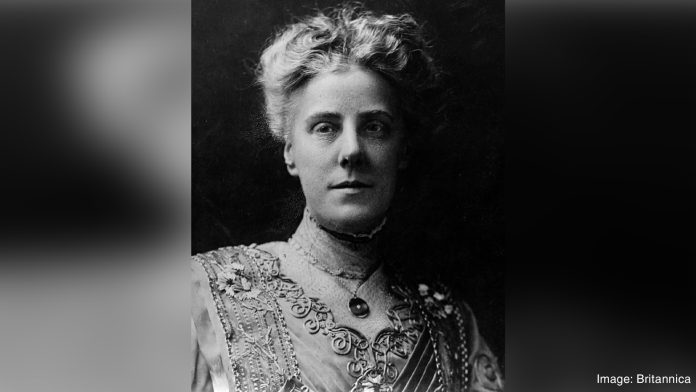
The roots of the holiday trace back to Ann Reeves Jarvis, a social activist from West Virginia.

During the 1850s, she created “Mothers’ Day Work Clubs” to help local women improve sanitation, childcare, and public health. At a time when disease outbreaks were common and medical care was limited, her work saved lives.

After the American Civil War, she organized “Mothers’ Friendship Day” events to help reunite families and communities divided by war.

For Ann Reeves Jarvis, motherhood was not simply sentimental. It was connected to survival, healing, and rebuilding society.

Anna Jarvis Turns A Personal Loss Into A National Holiday

When Ann Reeves Jarvis died in 1905, her daughter Anna Jarvis was devastated.

She wanted to create a special day dedicated to honoring the sacrifices mothers make for their children and society. Anna believed mothers performed a “matchless service to humanity” that deserved recognition.

In 1908, she organized the first official Mother’s Day service at St. Andrew’s Methodist Church in West Virginia.

The idea spread rapidly across the United States.

By 1914, President Woodrow Wilson officially declared Mother’s Day a national holiday.

Anna Jarvis had achieved her goal.

Or so she thought.

The Holiday Became A Business, And She Hated It

Very quickly, companies realized Mother’s Day could make enormous profits.

Florists, greeting card companies, restaurants, and advertisers transformed the emotional holiday into a major commercial event.

Anna Jarvis was horrified.

She believed the day was meant to be deeply personal — handwritten letters, quiet reflection, genuine appreciation.

Instead, she watched businesses turn it into what she saw as a marketing machine.
She openly criticized:

greeting card companies

flower sellers

candy makers

commercial promotions

She even called store-bought cards “lazy.”

Over time, she became obsessed with fighting the commercialization of Mother’s Day. She organized protests, filed lawsuits, interrupted events, and spent nearly all her inheritance battling the industries profiting from the holiday.

Ironically, the woman who created Mother’s Day became one of its fiercest enemies.
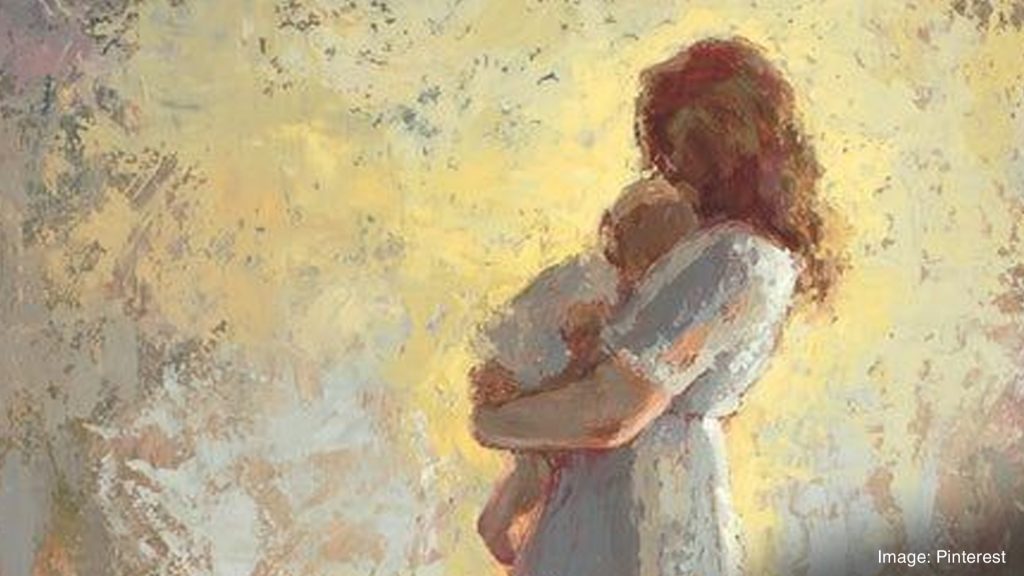
The Strange Legacy Of Mother’s Day

Today, Mother’s Day exists somewhere between heartfelt tradition and commercial spectacle.

For many people, it remains deeply meaningful, a chance to honor mothers, grandmothers, and caregivers. But the concerns Anna Jarvis raised over a century ago still feel familiar in the age of viral marketing and consumer culture.

The history of Mother’s Day is ultimately a story about love, labor, grief, and contradiction.

A holiday created to honor care itself eventually became one of the most profitable celebrations in the world.

And the woman who started it never stopped trying to take it back.

Mother’s Day Was Created To Honor Mothers… Then Its Founder Hated What it Became

The Holiday Started Very Differently Than Most People Think

Today, Mother’s Day is usually linked with flowers, greeting cards, brunches, and social media posts.

But the story behind the holiday is far deeper — and much stranger.

Modern Mother’s Day was not originally designed to be commercial, glamorous, or even celebratory in the way we know it today. It began as a movement tied to women’s health, grief, peace activism, and community care.

And in one of history’s biggest ironies, the woman who helped create Mother’s Day eventually spent years trying to abolish it.

Ancient Roots Of Honoring Mothers

The idea of honoring mothers is far older than modern America.

Ancient civilizations across Egypt, Greece, and Rome held festivals dedicated to mother goddesses connected to fertility, life, and protection. The Greeks honored Rhea, the mother of the gods, while Romans celebrated Cybele through spring festivals.

Centuries later, Europe developed a Christian tradition known as “Mothering Sunday.” Beginning around the 1600s, people would return to their “mother church” on the fourth Sunday of Lent. Over time, the day also became associated with visiting mothers and families.

But the modern version of Mother’s Day truly began in the United States during the 19th century.

The Woman Who Inspired Mother’s Day

The roots of the holiday trace back to Ann Reeves Jarvis, a social activist from West Virginia.

During the 1850s, she created “Mothers’ Day Work Clubs” to help local women improve sanitation, childcare, and public health. At a time when disease outbreaks were common and medical care was limited, her work saved lives.

After the American Civil War, she organized “Mothers’ Friendship Day” events to help reunite families and communities divided by war.

For Ann Reeves Jarvis, motherhood was not simply sentimental. It was connected to survival, healing, and rebuilding society.

Anna Jarvis Turns A Personal Loss Into A National Holiday

When Ann Reeves Jarvis died in 1905, her daughter Anna Jarvis was devastated.

She wanted to create a special day dedicated to honoring the sacrifices mothers make for their children and society. Anna believed mothers performed a “matchless service to humanity” that deserved recognition.

In 1908, she organized the first official Mother’s Day service at St. Andrew’s Methodist Church in West Virginia.

The idea spread rapidly across the United States.

By 1914, President Woodrow Wilson officially declared Mother’s Day a national holiday.

Anna Jarvis had achieved her goal.

Or so she thought.

The Holiday Became A Business, And She Hated It

Very quickly, companies realized Mother’s Day could make enormous profits.

Florists, greeting card companies, restaurants, and advertisers transformed the emotional holiday into a major commercial event.

Anna Jarvis was horrified.

She believed the day was meant to be deeply personal — handwritten letters, quiet reflection, genuine appreciation.

Instead, she watched businesses turn it into what she saw as a marketing machine.

She openly criticized:

greeting card companies

flower sellers

candy makers

commercial promotions

She even called store-bought cards “lazy.”

Over time, she became obsessed with fighting the commercialization of Mother’s Day. She organized protests, filed lawsuits, interrupted events, and spent nearly all her inheritance battling the industries profiting from the holiday.

Ironically, the woman who created Mother’s Day became one of its fiercest enemies.

The Strange Legacy Of Mother’s Day

Today, Mother’s Day exists somewhere between heartfelt tradition and commercial spectacle.

For many people, it remains deeply meaningful, a chance to honor mothers, grandmothers, and caregivers. But the concerns Anna Jarvis raised over a century ago still feel familiar in the age of viral marketing and consumer culture.

The history of Mother’s Day is ultimately a story about love, labor, grief, and contradiction.

A holiday created to honor care itself eventually became one of the most profitable celebrations in the world.

And the woman who started it never stopped trying to take it back.
spot_img

Explore more

spot_img
Global Affairs

Mossad Assassination Plot Against Pakistan Army Chief? Is This Viral Claim

Israel Faces Rare US Warning as Trump Administration Pushes Iran Deal...

Trump Called the Iran War a Win. Here Is What the...

Al Jazeera Cameraman Killed in Gaza Strike as Press Safety Concerns

US Italy diplomatic tensions

Natasha Doll Trend

US Iran diplomacy handshake