Is Iraq’s Sovereignty Being Tested In Secret?

Donald  Iraq And The Rise Of The Middle East’s Shadow Wars

The Middle East is entering a new kind of warfare.

Not the traditional image of tanks crossing borders or governments formally declaring war.

But covert operations.
Unofficial battlefields.
Secret intelligence networks.
Deniable military activity.

The recent reports surrounding an alleged Israeli military outpost inside Iraq matter not only because of the claims themselves, but because they reveal how modern regional conflict increasingly operates in the shadows.

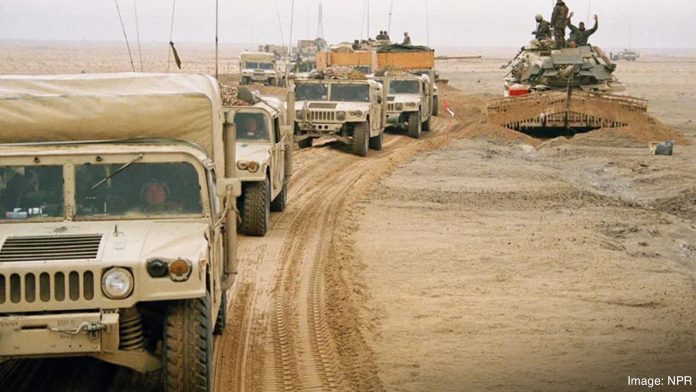
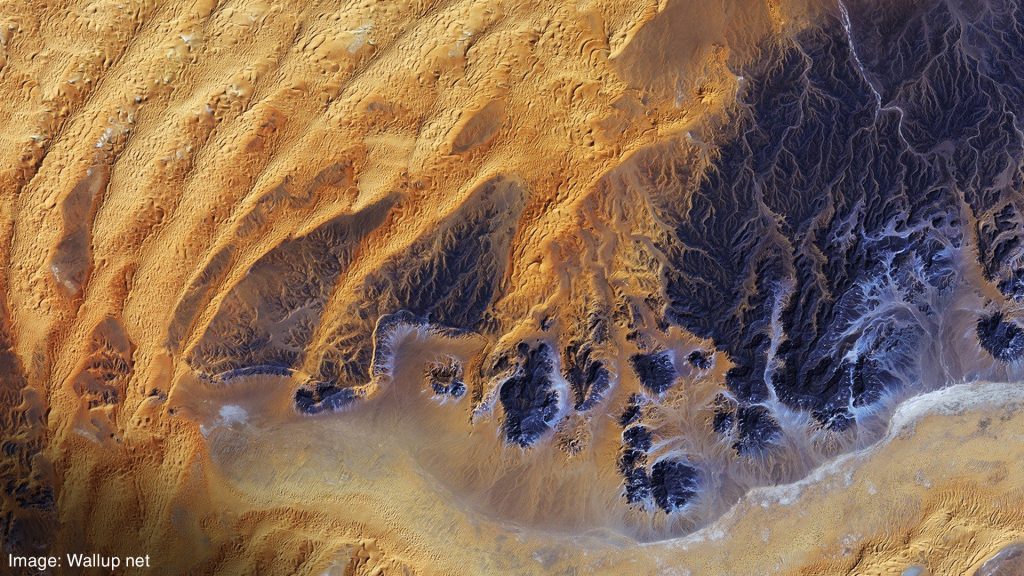
According to reports from multiple outlets, Israel allegedly established a covert military position deep in Iraq’s western desert during the war with Iran. The reported site was said to support operations connected to Israeli military activity during the conflict.

Some reports claimed the outpost housed special forces, logistical support teams, and rescue personnel intended to assist downed pilots.

The reports immediately triggered controversy inside Iraq.

Some Iraqi officials denied the claims entirely.
Others acknowledged suspicious military activity in remote desert regions.
Some suggested unauthorized foreign operations may indeed have occurred.

The contradictions themselves exposed something important:
even states may no longer fully control or publicly understand the military realities unfolding inside their own borders.

That is the real story.
For years, Iraq has attempted to balance itself carefully between competing regional powers.

It maintains deep political and economic ties with Iran while also hosting American influence and security cooperation. At the same time, Iraq has repeatedly tried to avoid becoming the center of direct confrontation between regional actors.

But geography has trapped Iraq in the middle of almost every major conflict in the region.

The wars in Gaza, Lebanon, Syria, and Iran do not remain isolated anymore.
Their military, political, and intelligence consequences spill across borders almost instantly.

The alleged Israeli outpost reflects how warfare itself is changing.

Modern conflicts increasingly rely on temporary infrastructure, covert intelligence positions, special operations units, drone surveillance, and unofficial military arrangements rather than large permanent occupations.

Operations can now be conducted quietly, rapidly, and with plausible deniability.

This creates an environment where governments publicly deny activities even while regional powers continue maneuvering behind the scenes.

The Iraq reports also raise major questions about sovereignty in the modern Middle East.

If foreign military activity can allegedly occur inside another country without public acknowledgement, what does territorial control truly mean anymore?

Analysts have increasingly described the region as operating under overlapping invisible battlefields.

Airspace becomes contested.
Deserts become intelligence corridors.
Militia networks become unofficial fronts.
Civilian infrastructure becomes entangled in geopolitical rivalry.

The battlefield no longer has a clearly visible border.
This is one reason why tensions in Iraq remain so dangerous.

The country sits at the intersection of US influence, Iranian-backed armed groups, regional intelligence competition, and Israeli security concerns.

Any escalation between larger powers risks quietly spilling into Iraqi territory, whether officially acknowledged or not.

And unlike traditional wars, these shadow conflicts often become visible only after leaks, investigations, satellite imagery, or local witnesses expose fragments of what happened.

By then, the operation is usually already over.

Whether every claim about the alleged Israeli base is ultimately verified or disputed, the reports reveal something much larger about the future of conflict in the Middle East.

Wars are becoming less visible.
Less official.
More covert.
More intelligence-driven.

And increasingly, entire countries risk becoming silent battlegrounds without ever formally entering the war.Sources: Al Jazeera \ The Wall Street Journal \ The New Arab \ Anadolu Agency\ Iraqi News Agency (INA) \ Palestine Chronicle

Donald  Iraq And The Rise Of The Middle East’s Shadow Wars

The Middle East is entering a new kind of warfare.

Not the traditional image of tanks crossing borders or governments formally declaring war.

But covert operations.
Unofficial battlefields.
Secret intelligence networks.
Deniable military activity.

The recent reports surrounding an alleged Israeli military outpost inside Iraq matter not only because of the claims themselves, but because they reveal how modern regional conflict increasingly operates in the shadows.

According to reports from multiple outlets, Israel allegedly established a covert military position deep in Iraq’s western desert during the war with Iran. The reported site was said to support operations connected to Israeli military activity during the conflict.

Some reports claimed the outpost housed special forces, logistical support teams, and rescue personnel intended to assist downed pilots.

The reports immediately triggered controversy inside Iraq.

Some Iraqi officials denied the claims entirely.
Others acknowledged suspicious military activity in remote desert regions.
Some suggested unauthorized foreign operations may indeed have occurred.

The contradictions themselves exposed something important:
even states may no longer fully control or publicly understand the military realities unfolding inside their own borders.

That is the real story.

For years, Iraq has attempted to balance itself carefully between competing regional powers.

It maintains deep political and economic ties with Iran while also hosting American influence and security cooperation. At the same time, Iraq has repeatedly tried to avoid becoming the center of direct confrontation between regional actors.

But geography has trapped Iraq in the middle of almost every major conflict in the region.

The wars in Gaza, Lebanon, Syria, and Iran do not remain isolated anymore.
Their military, political, and intelligence consequences spill across borders almost instantly.

The alleged Israeli outpost reflects how warfare itself is changing.

Modern conflicts increasingly rely on temporary infrastructure, covert intelligence positions, special operations units, drone surveillance, and unofficial military arrangements rather than large permanent occupations.

Operations can now be conducted quietly, rapidly, and with plausible deniability.

This creates an environment where governments publicly deny activities even while regional powers continue maneuvering behind the scenes.

The Iraq reports also raise major questions about sovereignty in the modern Middle East.

If foreign military activity can allegedly occur inside another country without public acknowledgement, what does territorial control truly mean anymore?

Analysts have increasingly described the region as operating under overlapping invisible battlefields.

Airspace becomes contested.
Deserts become intelligence corridors.
Militia networks become unofficial fronts.
Civilian infrastructure becomes entangled in geopolitical rivalry.

The battlefield no longer has a clearly visible border.

This is one reason why tensions in Iraq remain so dangerous.

The country sits at the intersection of US influence, Iranian-backed armed groups, regional intelligence competition, and Israeli security concerns.

Any escalation between larger powers risks quietly spilling into Iraqi territory, whether officially acknowledged or not.

And unlike traditional wars, these shadow conflicts often become visible only after leaks, investigations, satellite imagery, or local witnesses expose fragments of what happened.

By then, the operation is usually already over.

Whether every claim about the alleged Israeli base is ultimately verified or disputed, the reports reveal something much larger about the future of conflict in the Middle East.

Wars are becoming less visible.
Less official.
More covert.
More intelligence-driven.

And increasingly, entire countries risk becoming silent battlegrounds without ever formally entering the war.Sources: Al Jazeera \ The Wall Street Journal \ The New Arab \ Anadolu Agency\ Iraqi News Agency (INA) \ Palestine Chronicle
spot_img

Explore more

spot_img
Global Affairs

Mossad Assassination Plot Against Pakistan Army Chief? Is This Viral Claim

Israel Faces Rare US Warning as Trump Administration Pushes Iran Deal...

Trump Called the Iran War a Win. Here Is What the...

Al Jazeera Cameraman Killed in Gaza Strike as Press Safety Concerns

US Italy diplomatic tensions

Natasha Doll Trend

US Iran diplomacy handshake