Why Gulf States Don’t Want Another Iran Escalation

Maryam Tariq

Regional Fear of Escalation Is Growing

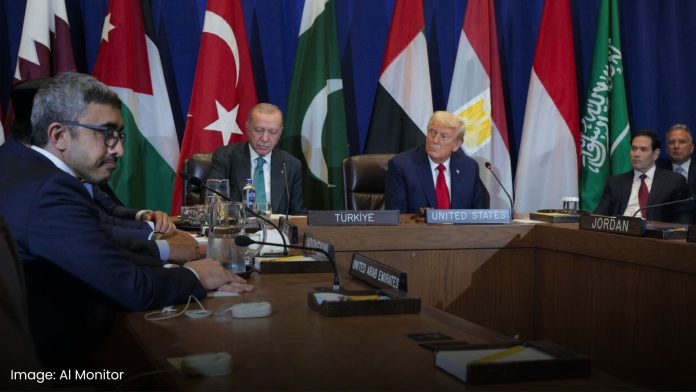
Donald Trump said he decided to pause a planned military strike on Iran after requests from Gulf leaders, including officials from Qatar, Saudi Arabia, and United Arab Emirates.

The announcement highlights how regional powers are increasingly trying to prevent a broader conflict that could destabilise the Gulf economically, politically, and militarily.

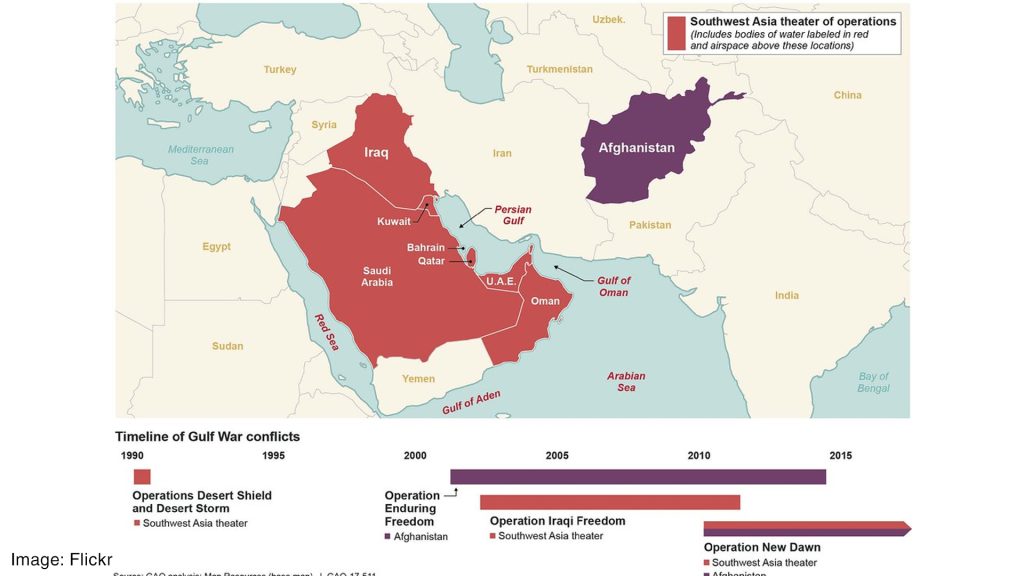
For Gulf states, another major escalation carries risks far beyond direct military confrontation. Iran retains the ability to target critical infrastructure across the region, including oil facilities, airports, shipping routes, and desalination plants essential for water supplies.

The Strait of Hormuz Remains Central

A major concern remains the Strait of Hormuz, one of the world’s most important energy chokepoints. Around 20% of global oil and liquefied natural gas shipments pass through the narrow waterway under normal conditions.

Iran’s continued control over the route has already affected global energy markets, contributing to rising oil prices and growing concerns about supply disruptions.

This transforms the conflict from a regional security issue into a global economic concern.
Diplomacy Under the Shadow of Force

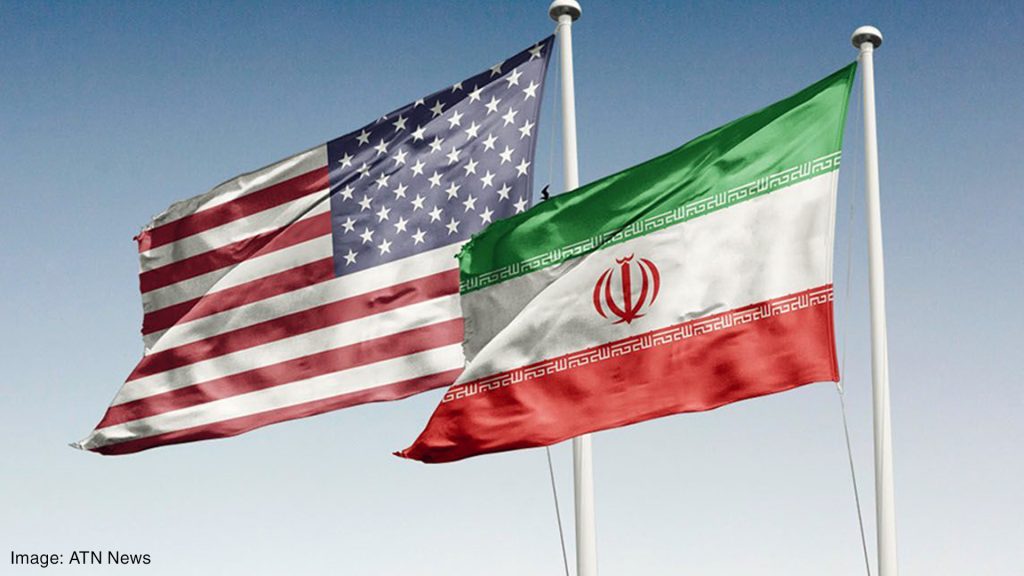
Although negotiations are continuing, military pressure remains central to the situation. Trump stated that the United States remains prepared for large-scale action if talks fail, while Iranian officials warned against further escalation.

This reflects a broader geopolitical pattern where diplomacy increasingly operates alongside open military threats rather than replacing them.

The Conflict Is Also Political

The developments are also unfolding amid growing domestic pressure inside the United States. Public opinion polls show declining support for the war and increasing dissatisfaction over broader economic conditions.

As a result, decisions around escalation are no longer shaped only by military calculations, but also by economic risks, regional stability, and political pressure at home and abroad.

Sources: BBC News / Reuters / Tasnim News Agency / New York Times-Siena Poll

Maryam Tariq

Regional Fear of Escalation Is Growing

Donald Trump said he decided to pause a planned military strike on Iran after requests from Gulf leaders, including officials from Qatar, Saudi Arabia, and United Arab Emirates.

The announcement highlights how regional powers are increasingly trying to prevent a broader conflict that could destabilise the Gulf economically, politically, and militarily.

For Gulf states, another major escalation carries risks far beyond direct military confrontation. Iran retains the ability to target critical infrastructure across the region, including oil facilities, airports, shipping routes, and desalination plants essential for water supplies.

The Strait of Hormuz Remains Central

A major concern remains the Strait of Hormuz, one of the world’s most important energy chokepoints. Around 20% of global oil and liquefied natural gas shipments pass through the narrow waterway under normal conditions.

Iran’s continued control over the route has already affected global energy markets, contributing to rising oil prices and growing concerns about supply disruptions.

This transforms the conflict from a regional security issue into a global economic concern.
Diplomacy Under the Shadow of Force

Although negotiations are continuing, military pressure remains central to the situation. Trump stated that the United States remains prepared for large-scale action if talks fail, while Iranian officials warned against further escalation.

This reflects a broader geopolitical pattern where diplomacy increasingly operates alongside open military threats rather than replacing them.

The Conflict Is Also Political

The developments are also unfolding amid growing domestic pressure inside the United States. Public opinion polls show declining support for the war and increasing dissatisfaction over broader economic conditions.

As a result, decisions around escalation are no longer shaped only by military calculations, but also by economic risks, regional stability, and political pressure at home and abroad.

Sources: BBC News / Reuters / Tasnim News Agency / New York Times-Siena Poll
spot_img

Explore more

spot_img
Global Affairs

Mossad Assassination Plot Against Pakistan Army Chief? Is This Viral Claim

Israel Faces Rare US Warning as Trump Administration Pushes Iran Deal...

Trump Called the Iran War a Win. Here Is What the...

Al Jazeera Cameraman Killed in Gaza Strike as Press Safety Concerns

US Italy diplomatic tensions

Natasha Doll Trend

US Iran diplomacy handshake