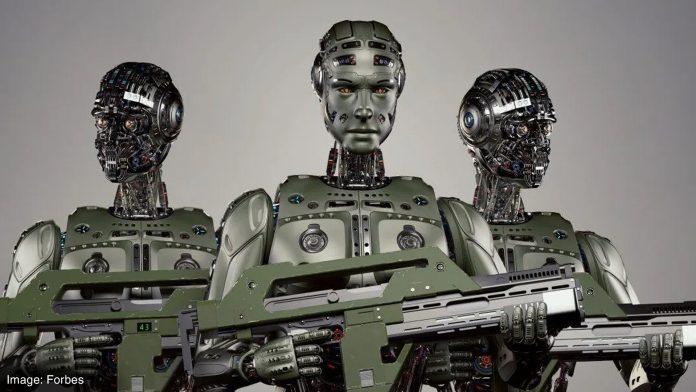
When the People Building AI Start Warning About It
Maryam Tariq
AI Is No Longer Just a Tech Industry Story
Workers at Google DeepMind in the UK are seeking union recognition amid growing concerns over the military use of artificial intelligence.
The move comes shortly after the Pentagon confirmed partnerships with several leading AI companies, including Google, OpenAI, Microsoft, Nvidia, Amazon Web Services, and SpaceX, as part of efforts to establish what US defense officials described as an “AI-first fighting force.”
For many workers inside the industry, this signals a major shift in the role of AI, from commercial technology into strategic military infrastructure.
The AI Arms Race Is Accelerating
Artificial intelligence is increasingly becoming central to modern geopolitical competition.
Governments view AI as critical for intelligence analysis, cyberwarfare, battlefield logistics, drone coordination, surveillance systems, and potentially autonomous targeting technologies.
According to Stanford University’s 2025 AI Index Report, global private investment in AI surpassed $180 billion, while military-related AI spending continues expanding rapidly across the United States, China, Russia, and Europe.
At the same time, autonomous military systems are already appearing in active conflicts, particularly in drone warfare environments like Ukraine.
Why Tech Workers Are Pushing Back
More than 600 Google employees reportedly signed a letter opposing classified military AI usage, while DeepMind staff cited concerns about authoritarianism, surveillance, and the militarisation of advanced AI systems.
Some workers also referenced concerns over AI contracts connected to conflict zones and military operations.
This reflects a broader transformation inside the tech industry itself: engineers are increasingly questioning whether technological innovation can remain ethically neutral once governments and militaries become primary clients.
Who Controls the Future of AI?
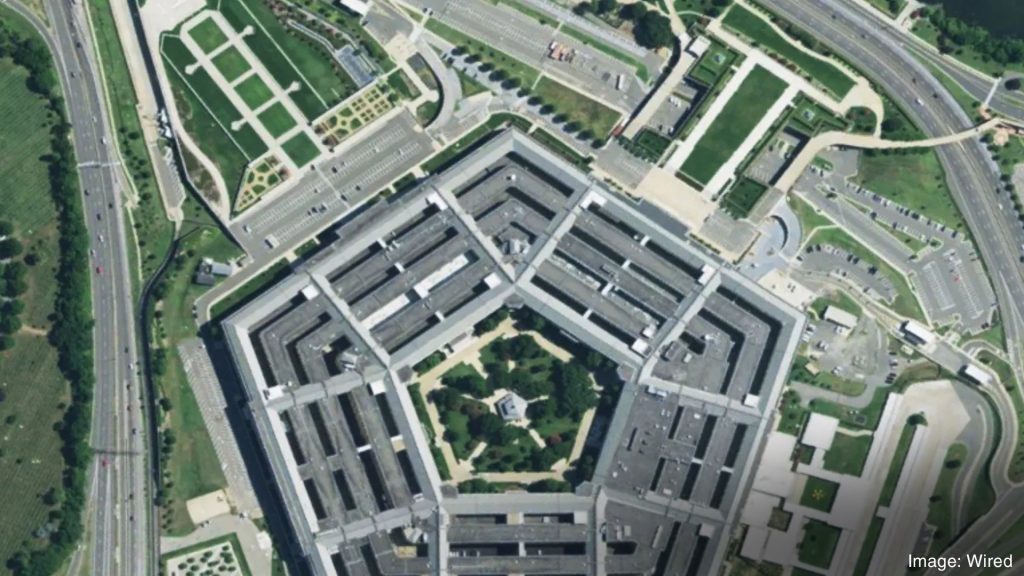
The deeper issue is not only about one Pentagon contract. It is about governance.
As AI becomes more powerful, the struggle over who controls its development — corporations, governments, militaries, or workers themselves, may become one of the defining political questions of the century.
The fear among critics is that once AI systems become fully embedded into national security structures, ethical safeguards may struggle to compete with geopolitical pressure and military rivalry.
Sources: The Guardian / Stanford AI Index Report / Reuters / Washington Post