Trump Bombs Iran While Selling Peace

Trump’s Iran Peace Push Is Colliding With The Abraham Accords

What began as negotiations to prevent a wider US-Iran war is now rapidly expanding into something far bigger: a battle over the future political order of the Middle East itself.

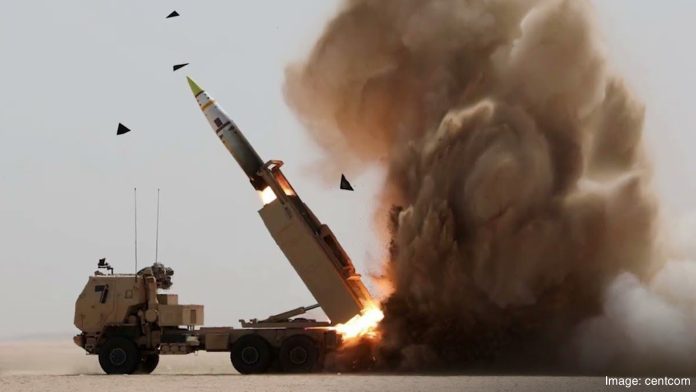
As ceasefire talks continued in Doha this week, US strikes reportedly hit missile launch sites and Iranian mine-laying vessels in southern Iran, killing at least four Iranian Revolutionary Guard personnel according to Iranian state-linked reporting. CENTCOM described the attacks as “self-defense strikes” carried out during what it called an ongoing but fragile ceasefire. Explosions were reported near Bandar Abbas, one of Iran’s most strategically important port cities near the Strait of Hormuz.

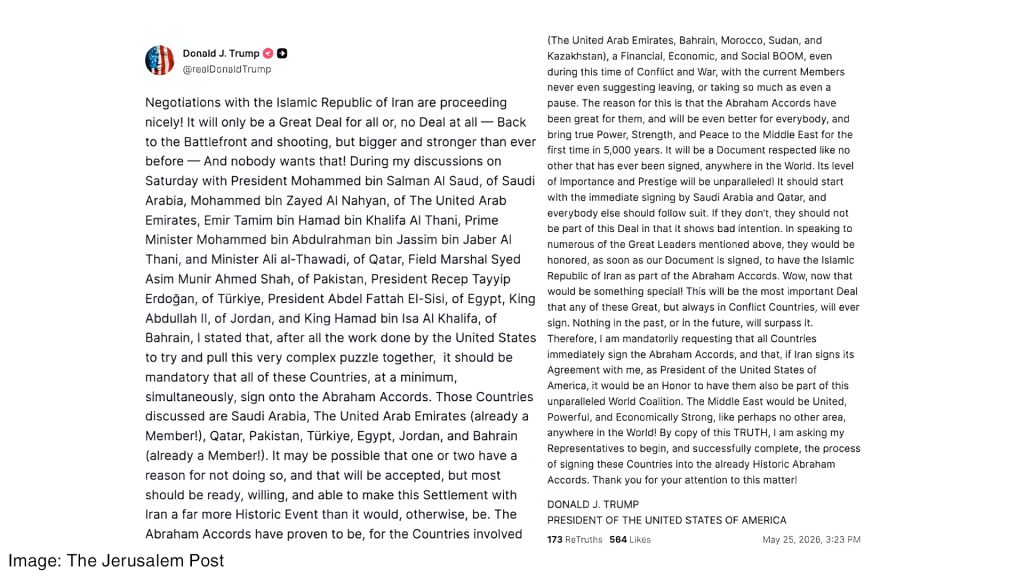
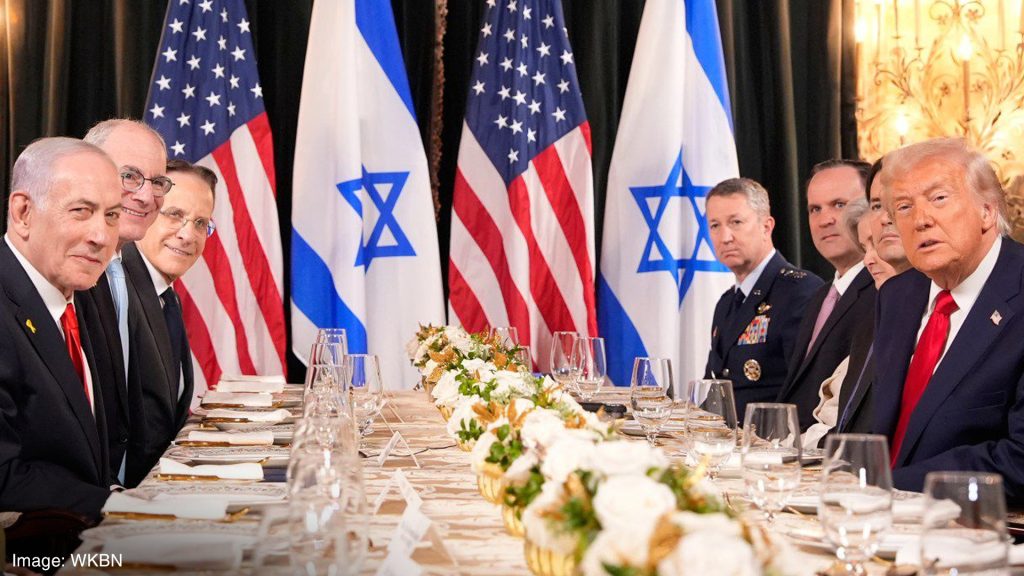
At the same time, President Donald Trump publicly intensified pressure on Muslim-majority countries to join the Abraham Accords and normalize relations with Isr*el as part of a wider regional settlement framework.

That contradiction is what suddenly transformed this from a ceasefire story into one of the most consequential geopolitical developments of the year.
What Are The Abraham Accords?

The Abraham Accords were signed in 2020 during Trump’s first presidency. Brokered by the United States, the agreements normalized diplomatic relations between Isr*el and several Arab states, beginning with the United Arab Emirates and Bahrain before later expanding to Morocco and Sudan.

For decades, most Arab and Muslim-majority countries had refused normalization with Isr*el until the Palestinian issue was resolved through the creation of a Palestinian state. The Abraham Accords partially broke that long-standing regional position.

Supporters described the agreements as a historic peace breakthrough. Critics across the Muslim world argued the accords effectively sidelined the Palestinian issue while rewarding Isr*el diplomatically without requiring a final settlement on Palestinian statehood. In many Arab countries, public opinion toward normalization remained deeply hostile even after governments signed the agreements.

Why The Accords Matter Even More After The Iran War

The Iran war changed the political meaning of the Abraham Accords completely.

Originally framed around diplomacy, economics, and regional cooperation, normalization increasingly became tied to regional security alliances and military positioning after the US-Isr*el military operation against Iran earlier this year. For Iran and many of its allies, the accords now represent the emergence of a US-backed regional bloc centered around Isr*el, Gulf monarchies, and anti-Iran security coordination.

According to multiple reports, Trump told leaders from Saudi Arabia, Qatar, Pakistan, Turkey, Egypt, and Jordan that wider participation in the Abraham Accords should become a mandatory part of any broader Iran settlement framework. He later reinforced the message publicly through Truth Social posts and warnings that countries refusing participation could risk being excluded from future arrangements.

The timing stunned many regional observers because it arrived while active ceasefire negotiations were still underway and airstrikes were continuing.

The Muslim World’s Problem

For several countries involved, the issue is politically dangerous.

Saudi Arabia has repeatedly insisted normalization cannot happen without what it calls an “irreversible pathway” toward a Palestinian state. Qatar maintains close ties with Hamas mediators and has positioned itself carefully between Washington, Tehran, and regional diplomacy. Turkey has sharply criticized Isr*el’s actions in Gaza while still balancing NATO interests.
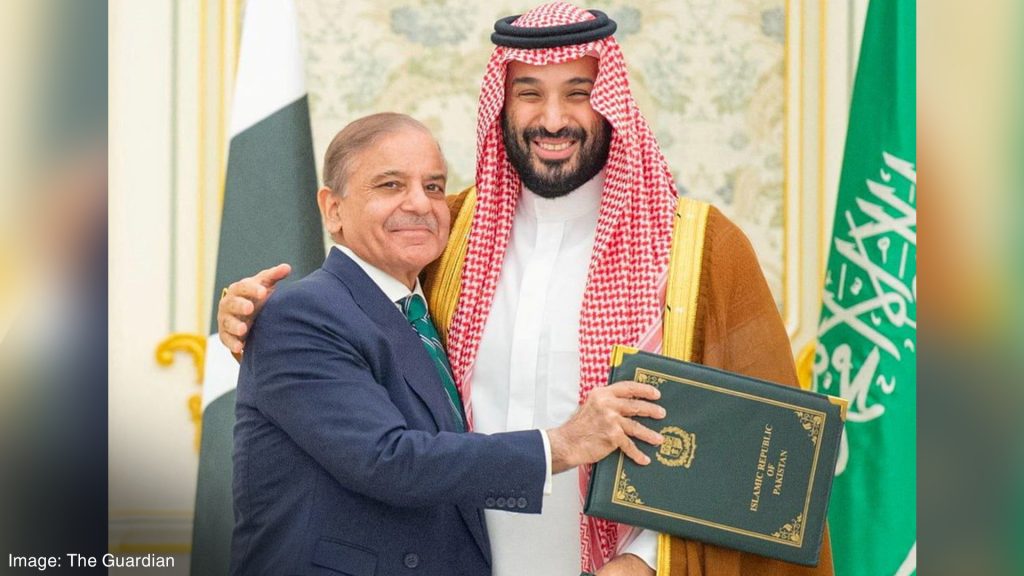
Pakistan’s reaction was especially important. Pakistani officials publicly rejected any suggestion of external pressure over normalization, reiterating support for Palestinian statehood and saying Pakistan was “under no compulsion” to accept such demands. That rejection matters because Pakistan has long been viewed as symbolically important inside the Muslim world due to its nuclear status and large population.

Why The Strait Of Hormuz Changes Everything

The strait carries roughly 20% of global oil shipments and a massive share of LNG trade. Since early May, commercial transit through parts of the route has reportedly slowed dramatically amid military tensions and Iranian restrictions.

Iran has reportedly attempted to establish new maritime controls and toll demands through what state-linked outlets described as a Persian Gulf Strait Authority. US officials claim the blockade is costing Iran hundreds of millions of dollars daily. Every day the negotiations fail, the economic consequences spread globally through oil prices, inflation fears, and shipping instability.

A Regional Reset Is Being Negotiated In Real Time

The biggest story may no longer be the ceasefire itself.

Diplomats reportedly believed a framework was getting closer before the Abraham Accords issue expanded the negotiations into something much broader and more politically volatile. The region is now simultaneously managing a US-Iran military confrontation, normalization pressure from Washington, Palestinian statehood demands, Gulf security fears, collapsing trust between regional blocs, oil-route instability, domestic anger inside Arab countries, and fears of a wider regional war. All at the same time.

The Middle East may not simply be negotiating an end to the current conflict. It may be negotiating the shape of the region that comes after it.

By Shizza Farooqui

Sources

Reuters, Al Jazeera, PBS/AP, Gulf News, Axios, CNN, Stars and Stripes, The Guardian, Washington Post, Dawn, Soufan Center
Trump’s Iran Peace Push Is Colliding With The Abraham Accords

What began as negotiations to prevent a wider US-Iran war is now rapidly expanding into something far bigger: a battle over the future political order of the Middle East itself.

As ceasefire talks continued in Doha this week, US strikes reportedly hit missile launch sites and Iranian mine-laying vessels in southern Iran, killing at least four Iranian Revolutionary Guard personnel according to Iranian state-linked reporting. CENTCOM described the attacks as “self-defense strikes” carried out during what it called an ongoing but fragile ceasefire. Explosions were reported near Bandar Abbas, one of Iran’s most strategically important port cities near the Strait of Hormuz.

At the same time, President Donald Trump publicly intensified pressure on Muslim-majority countries to join the Abraham Accords and normalize relations with Isr*el as part of a wider regional settlement framework.

That contradiction is what suddenly transformed this from a ceasefire story into one of the most consequential geopolitical developments of the year.

What Are The Abraham Accords?

The Abraham Accords were signed in 2020 during Trump’s first presidency. Brokered by the United States, the agreements normalized diplomatic relations between Isr*el and several Arab states, beginning with the United Arab Emirates and Bahrain before later expanding to Morocco and Sudan.

For decades, most Arab and Muslim-majority countries had refused normalization with Isr*el until the Palestinian issue was resolved through the creation of a Palestinian state. The Abraham Accords partially broke that long-standing regional position.

Supporters described the agreements as a historic peace breakthrough. Critics across the Muslim world argued the accords effectively sidelined the Palestinian issue while rewarding Isr*el diplomatically without requiring a final settlement on Palestinian statehood. In many Arab countries, public opinion toward normalization remained deeply hostile even after governments signed the agreements.

Why The Accords Matter Even More After The Iran War

The Iran war changed the political meaning of the Abraham Accords completely.

Originally framed around diplomacy, economics, and regional cooperation, normalization increasingly became tied to regional security alliances and military positioning after the US-Isr*el military operation against Iran earlier this year. For Iran and many of its allies, the accords now represent the emergence of a US-backed regional bloc centered around Isr*el, Gulf monarchies, and anti-Iran security coordination.

According to multiple reports, Trump told leaders from Saudi Arabia, Qatar, Pakistan, Turkey, Egypt, and Jordan that wider participation in the Abraham Accords should become a mandatory part of any broader Iran settlement framework. He later reinforced the message publicly through Truth Social posts and warnings that countries refusing participation could risk being excluded from future arrangements.

The timing stunned many regional observers because it arrived while active ceasefire negotiations were still underway and airstrikes were continuing.

The Muslim World’s Problem

For several countries involved, the issue is politically dangerous.

Saudi Arabia has repeatedly insisted normalization cannot happen without what it calls an “irreversible pathway” toward a Palestinian state. Qatar maintains close ties with Hamas mediators and has positioned itself carefully between Washington, Tehran, and regional diplomacy. Turkey has sharply criticized Isr*el’s actions in Gaza while still balancing NATO interests.

Pakistan’s reaction was especially important. Pakistani officials publicly rejected any suggestion of external pressure over normalization, reiterating support for Palestinian statehood and saying Pakistan was “under no compulsion” to accept such demands. That rejection matters because Pakistan has long been viewed as symbolically important inside the Muslim world due to its nuclear status and large population.

Why The Strait Of Hormuz Changes Everything

The strait carries roughly 20% of global oil shipments and a massive share of LNG trade. Since early May, commercial transit through parts of the route has reportedly slowed dramatically amid military tensions and Iranian restrictions.

Iran has reportedly attempted to establish new maritime controls and toll demands through what state-linked outlets described as a Persian Gulf Strait Authority. US officials claim the blockade is costing Iran hundreds of millions of dollars daily. Every day the negotiations fail, the economic consequences spread globally through oil prices, inflation fears, and shipping instability.

A Regional Reset Is Being Negotiated In Real Time

The biggest story may no longer be the ceasefire itself.

Diplomats reportedly believed a framework was getting closer before the Abraham Accords issue expanded the negotiations into something much broader and more politically volatile. The region is now simultaneously managing a US-Iran military confrontation, normalization pressure from Washington, Palestinian statehood demands, Gulf security fears, collapsing trust between regional blocs, oil-route instability, domestic anger inside Arab countries, and fears of a wider regional war. All at the same time.

The Middle East may not simply be negotiating an end to the current conflict. It may be negotiating the shape of the region that comes after it.

By Shizza Farooqui

Sources

Reuters, Al Jazeera, PBS/AP, Gulf News, Axios, CNN, Stars and Stripes, The Guardian, Washington Post, Dawn, Soufan Center

spot_img

Explore more

spot_img
Business

The Ban That Built America’s Rival

The House Is Testing Trump’s Power

No Vaccine. No Trust. No Time.

The New Global Enemy Is The Migrant

Albania Is Not For Sale

Myanmar: The Genocide Nobody Is Watching

Sweden Stripped Islamophobia From Official Language. Muslims Are Asking Why.

808km. Nine Days. Pakistan Found Its Hero.