Why India Couldn’t Make Pakistan Irrelevant

The Promise That Shaped A Decade

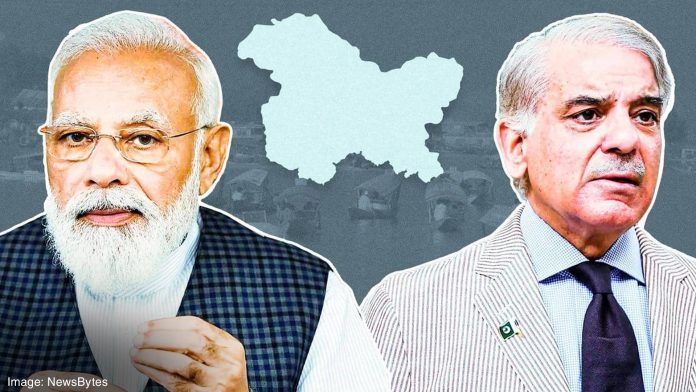
In September 2016, after the Uri attack killed 18 Indian soldiers in Indian-administered Kashmir, Indian Prime Minister Narendra Modi made a promise that would shape South Asian diplomacy for years.

India would work to isolate Pakistan.

The strategy was straightforward. Reduce Pakistan’s international relevance, limit its diplomatic space, strengthen India’s global standing, and convince major powers that Pakistan should be treated as part of the problem rather than part of the solution.

Nearly a decade later, a new analysis by Al Jazeera argues the outcome has been the opposite of what New Delhi intended.

Instead of becoming irrelevant, Pakistan is more diplomatically active and internationally connected than at any point in recent years.

Both countries are nuclear-armed states. Between them, they represent 1.7 billion people. Every shift in the balance between them carries consequences that extend far beyond South Asia.

The 90 Minutes That Changed Everything

The clearest proof of the reversal came in April 2026.

With the US-Iran war in its sixth week, Trump set a deadline and threatened to destroy what he called an entire civilisation if Iran did not comply. With roughly 90 minutes left on that clock, Pakistan’s Prime Minister Shehbaz Sharif and Army Chief Field Marshal Asim Munir called Trump directly and asked him to stand down.
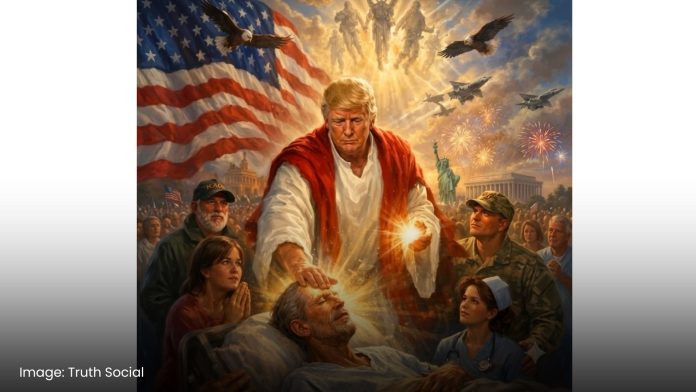
Trump announced the ceasefire on Truth Social, crediting Pakistan by name. Iranian Foreign Minister Abbas Araghchi confirmed it shortly after, saying Tehran had accepted the ceasefire in response to the brotherly request of PM Sharif.

Pakistan is now hosting the ongoing US-Iran peace negotiations in Islamabad. Trump has said he would be willing to fly to Pakistan personally to sign a final agreement.

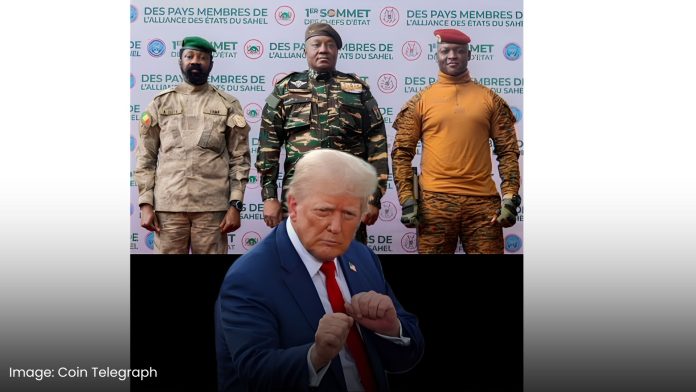
Modi invited Trump to visit New Delhi during a phone call in June 2025. A year later, Trump has not visited India. He travelled to China last week. He is ready to fly to Pakistan.

For a country Modi promised to corner, that is a striking reversal.

From Washington To Beijing

Pakistan’s renewed relevance is not limited to the Middle East.

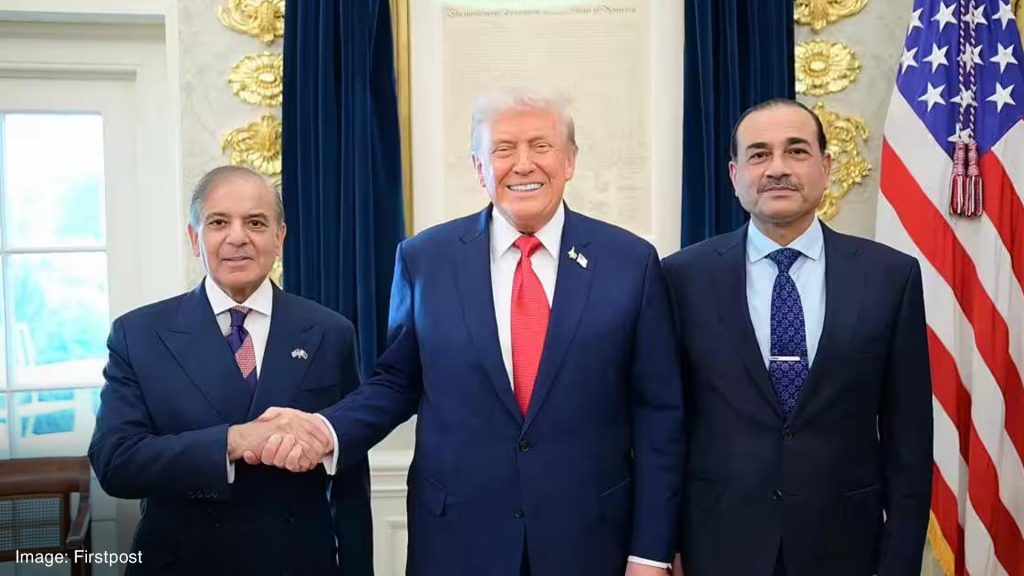
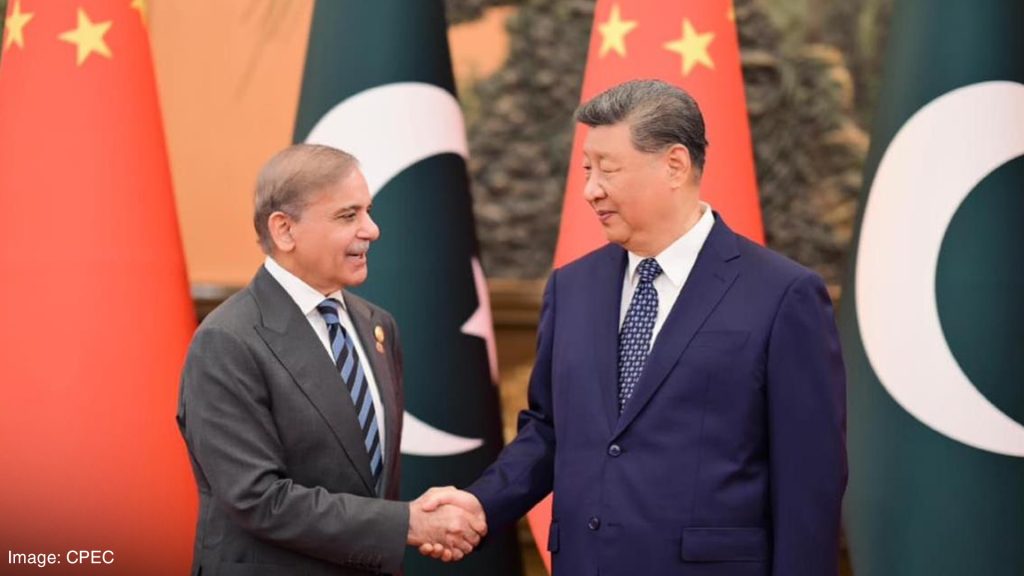
Both Sharif and Munir were received at the White House, where Trump called Sharif a “great leader” and Munir a “great guy.” Pakistan also secured a favourable US trade deal. China’s Xi Jinping welcomed Sharif in Beijing on May 25 and praised what he called their “unbreakable” partnership. Pakistan has also strengthened ties with Bangladesh following the ouster of Prime Minister Sheikh Hasina, who was seen as close to India, opening new diplomatic space across South Asia.

What India Lost Control Of

The military conflict of May 2025 exposed a deeper problem.

India launched Operation Sindoor, a series of strikes against targets in Pakistan and Pakistani-administered Kashmir following the Pahalgam attack. Pakistan retaliated. The conflict lasted four days. And when it ended, the ceasefire was not announced from New Delhi or Islamabad.

It was announced by Trump on Truth Social.

India’s foreign secretary subsequently went on record saying Modi had told Trump there was no US mediation. Trump then repeated his claim of brokering the ceasefire over 100 times in different countries. India never successfully refuted it.

India’s own opposition party drew the same conclusion. Congress leader Jairam Ramesh said publicly that despite extensive diplomatic outreach, Pakistan was not isolated after Operation Sindoor as it had been after the 2008 Mumbai attacks. He noted that Pakistan’s army chief had been embraced with extraordinary warmth by Trump, and that Pakistan had come in for praise from the US military establishment.

When a country’s own opposition says the strategy failed, it is no longer just an external analysis.

Why Analysts Say The Strategy Backfired

The most direct assessment came from Michael Kugelman of the Atlantic Council, speaking to Al Jazeera: “Certainly, India’s strategy of isolating Pakistan has backfired in a significant way.”

Professor Ishtiaq Ahmad of Quaid-i-Azam University put it differently: “India effectively abandoned SAARC in the pursuit of isolating Pakistan.”

India boycotted the 2016 SAARC summit Pakistan was due to host, effectively freezing the region’s primary multilateral forum. The summit has never been rescheduled. The bloc that India helped found has been paralysed for nearly a decade, while Pakistan found new multilateral spaces to occupy.

Foreign Policy analyst Sushant Singh reached the same conclusion. “As India remains tethered to the domestic political narrative of aspiring to global leadership,” he wrote, “it is being bypassed in the real corridors of power.”

The Debate Inside India Is Getting Louder

Pakistan’s diplomatic visibility has not only attracted attention abroad. It has triggered a growing debate inside India itself.

Television networks, retired military officers, opposition politicians, and foreign policy commentators have increasingly questioned why Pakistan continues to secure high-level meetings, mediation roles, and international attention despite years of Indian efforts to reduce its influence.

The discussion is not admiration for Pakistan. It is frustration. And it is being voiced by people across the Indian political spectrum, including voices that have historically supported a harder line on Pakistan.

Some have begun asking whether a more pragmatic approach might ultimately serve India’s interests better than permanent diplomatic confrontation with a nuclear-armed neighbour that keeps finding new ways to remain relevant.
The Bigger Question

The deeper lesson may extend beyond South Asia.

Sometimes the effort to isolate a rival gives that rival a reason to become indispensable.

Nearly ten years after Modi vowed to isolate Pakistan, the question is no longer whether Pakistan disappeared from the diplomatic conversation.

According to Al Jazeera’s analysis, the question is whether the effort to push Pakistan out ultimately helped pull it back in.

By Shizza Farooqui

SOURCES

Al Jazeera, Atlantic Council, Foreign Policy, Reuters, PBS NewsHour, CNBC, Washington Post, The Diplomat, Dawn, Geo News, public statements by Donald Trump, Shehbaz Sharif, Asim Munir, Abbas Araghchi, Xi Jinping, Jairam Ramesh, Michael Kugelman, Sushant Singh, Ishtiaq Ahmad
The Promise That Shaped A Decade

In September 2016, after the Uri attack killed 18 Indian soldiers in Indian-administered Kashmir, Indian Prime Minister Narendra Modi made a promise that would shape South Asian diplomacy for years.

India would work to isolate Pakistan.

The strategy was straightforward. Reduce Pakistan’s international relevance, limit its diplomatic space, strengthen India’s global standing, and convince major powers that Pakistan should be treated as part of the problem rather than part of the solution.

Nearly a decade later, a new analysis by Al Jazeera argues the outcome has been the opposite of what New Delhi intended.

Instead of becoming irrelevant, Pakistan is more diplomatically active and internationally connected than at any point in recent years.

Both countries are nuclear-armed states. Between them, they represent 1.7 billion people. Every shift in the balance between them carries consequences that extend far beyond South Asia.

The 90 Minutes That Changed Everything

The clearest proof of the reversal came in April 2026.

With the US-Iran war in its sixth week, Trump set a deadline and threatened to destroy what he called an entire civilisation if Iran did not comply. With roughly 90 minutes left on that clock, Pakistan’s Prime Minister Shehbaz Sharif and Army Chief Field Marshal Asim Munir called Trump directly and asked him to stand down.

Trump announced the ceasefire on Truth Social, crediting Pakistan by name. Iranian Foreign Minister Abbas Araghchi confirmed it shortly after, saying Tehran had accepted the ceasefire in response to the brotherly request of PM Sharif.

Pakistan is now hosting the ongoing US-Iran peace negotiations in Islamabad. Trump has said he would be willing to fly to Pakistan personally to sign a final agreement.

Modi invited Trump to visit New Delhi during a phone call in June 2025. A year later, Trump has not visited India. He travelled to China last week. He is ready to fly to Pakistan.

For a country Modi promised to corner, that is a striking reversal.

From Washington To Beijing

Pakistan’s renewed relevance is not limited to the Middle East.

Both Sharif and Munir were received at the White House, where Trump called Sharif a “great leader” and Munir a “great guy.” Pakistan also secured a favourable US trade deal. China’s Xi Jinping welcomed Sharif in Beijing on May 25 and praised what he called their “unbreakable” partnership. Pakistan has also strengthened ties with Bangladesh following the ouster of Prime Minister Sheikh Hasina, who was seen as close to India, opening new diplomatic space across South Asia.

What India Lost Control Of

The military conflict of May 2025 exposed a deeper problem.

India launched Operation Sindoor, a series of strikes against targets in Pakistan and Pakistani-administered Kashmir following the Pahalgam attack. Pakistan retaliated. The conflict lasted four days. And when it ended, the ceasefire was not announced from New Delhi or Islamabad.

It was announced by Trump on Truth Social.

India’s foreign secretary subsequently went on record saying Modi had told Trump there was no US mediation. Trump then repeated his claim of brokering the ceasefire over 100 times in different countries. India never successfully refuted it.

India’s own opposition party drew the same conclusion. Congress leader Jairam Ramesh said publicly that despite extensive diplomatic outreach, Pakistan was not isolated after Operation Sindoor as it had been after the 2008 Mumbai attacks. He noted that Pakistan’s army chief had been embraced with extraordinary warmth by Trump, and that Pakistan had come in for praise from the US military establishment.

When a country’s own opposition says the strategy failed, it is no longer just an external analysis.

Why Analysts Say The Strategy Backfired

The most direct assessment came from Michael Kugelman of the Atlantic Council, speaking to Al Jazeera: “Certainly, India’s strategy of isolating Pakistan has backfired in a significant way.”

Professor Ishtiaq Ahmad of Quaid-i-Azam University put it differently: “India effectively abandoned SAARC in the pursuit of isolating Pakistan.”

India boycotted the 2016 SAARC summit Pakistan was due to host, effectively freezing the region’s primary multilateral forum. The summit has never been rescheduled. The bloc that India helped found has been paralysed for nearly a decade, while Pakistan found new multilateral spaces to occupy.

Foreign Policy analyst Sushant Singh reached the same conclusion. “As India remains tethered to the domestic political narrative of aspiring to global leadership,” he wrote, “it is being bypassed in the real corridors of power.”

The Debate Inside India Is Getting Louder

Pakistan’s diplomatic visibility has not only attracted attention abroad. It has triggered a growing debate inside India itself.

Television networks, retired military officers, opposition politicians, and foreign policy commentators have increasingly questioned why Pakistan continues to secure high-level meetings, mediation roles, and international attention despite years of Indian efforts to reduce its influence.

The discussion is not admiration for Pakistan. It is frustration. And it is being voiced by people across the Indian political spectrum, including voices that have historically supported a harder line on Pakistan.

Some have begun asking whether a more pragmatic approach might ultimately serve India’s interests better than permanent diplomatic confrontation with a nuclear-armed neighbour that keeps finding new ways to remain relevant.

The Bigger Question

The deeper lesson may extend beyond South Asia.

Sometimes the effort to isolate a rival gives that rival a reason to become indispensable.

Nearly ten years after Modi vowed to isolate Pakistan, the question is no longer whether Pakistan disappeared from the diplomatic conversation.

According to Al Jazeera’s analysis, the question is whether the effort to push Pakistan out ultimately helped pull it back in.

By Shizza Farooqui

SOURCES

Al Jazeera, Atlantic Council, Foreign Policy, Reuters, PBS NewsHour, CNBC, Washington Post, The Diplomat, Dawn, Geo News, public statements by Donald Trump, Shehbaz Sharif, Asim Munir, Abbas Araghchi, Xi Jinping, Jairam Ramesh, Michael Kugelman, Sushant Singh, Ishtiaq Ahmad
spot_img

Explore more

spot_img
Business

The Ban That Built America’s Rival

The House Is Testing Trump’s Power

No Vaccine. No Trust. No Time.

The New Global Enemy Is The Migrant

Albania Is Not For Sale

Myanmar: The Genocide Nobody Is Watching

Sweden Stripped Islamophobia From Official Language. Muslims Are Asking Why.

808km. Nine Days. Pakistan Found Its Hero.