
The Digital Casino Built For Children

The Screen-Time Excuse Is Cracking

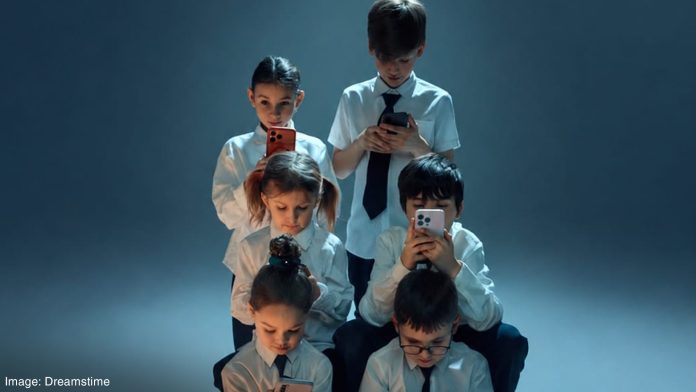
For years, parents were told the same thing: control your child’s screen time. Take the phone away. Set limits. Watch what they scroll. Be stricter. But two major jury verdicts in March 2026 have pushed a harder question into court: what if the problem was not only children using social media too much, but platforms designed to make stopping feel almost impossible?

In California, a jury found Meta and Google HYPERLINK “https://www.theguardian.com/technology/2026/mar/25/meta-youtube-social-media-addiction-trial-verdict”‘ HYPERLINK “https://www.theguardian.com/technology/2026/mar/25/meta-youtube-social-media-addiction-trial-verdict”s YouTube negligent in a landmark social media addiction case. The jury awarded $6 million, with Meta assigned 70% of the harm and YouTube 30%. TikTok and Snapchat had settled ahead of trial. A day earlier, a New Mexico jury ordered Meta to pay $375 million after finding the company violated state consumer protection law in a case tied to child safety failures on Facebook and Instagram.

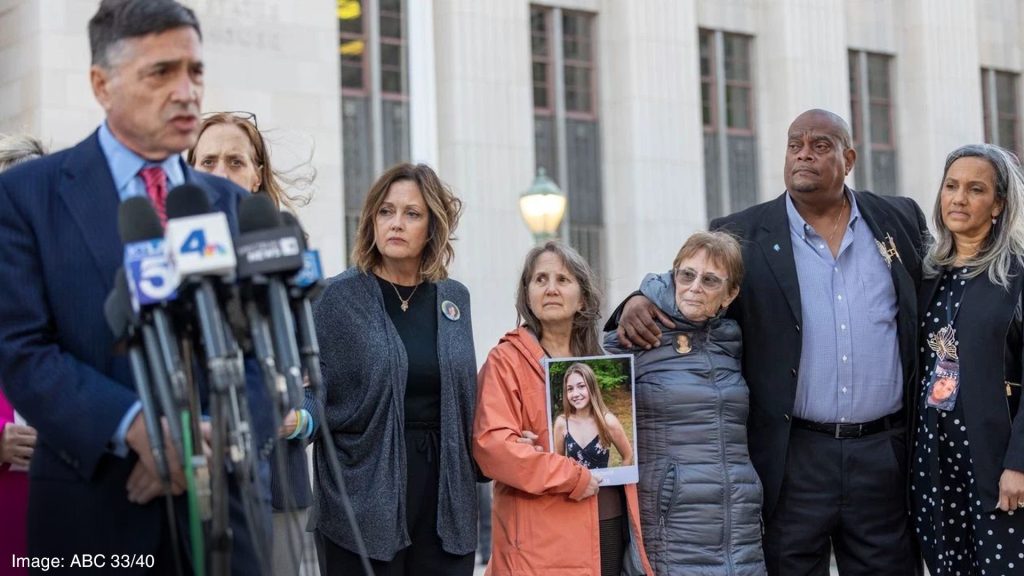
Outside the California courthouse, Julianna Arnold, a founding member of Parents Rise, spoke after the verdict. Her daughter died from fentanyl bought through Instagram. NPR reported her words: “They were manipulating our children for profits while we were watching and trying to keep our families safe. They are the predators.”

The Child At The Centre

The California case was brought by Kaley G.M., now 20, who opened Instagram at age 9 and later suffered anxiety, depression, body dysmorphia, suicidal thoughts, bullying, and sextortion. She told the court she stopped engaging with her family because she was spending all her time on the apps. Her case argued that features such as infinite scroll, autoplay, beauty filters, and engagement loops were not neutral design choices. They were part of a system built to keep children coming back. That is where the “digital casino” framing becomes so powerful.

When Design Becomes The Defendant

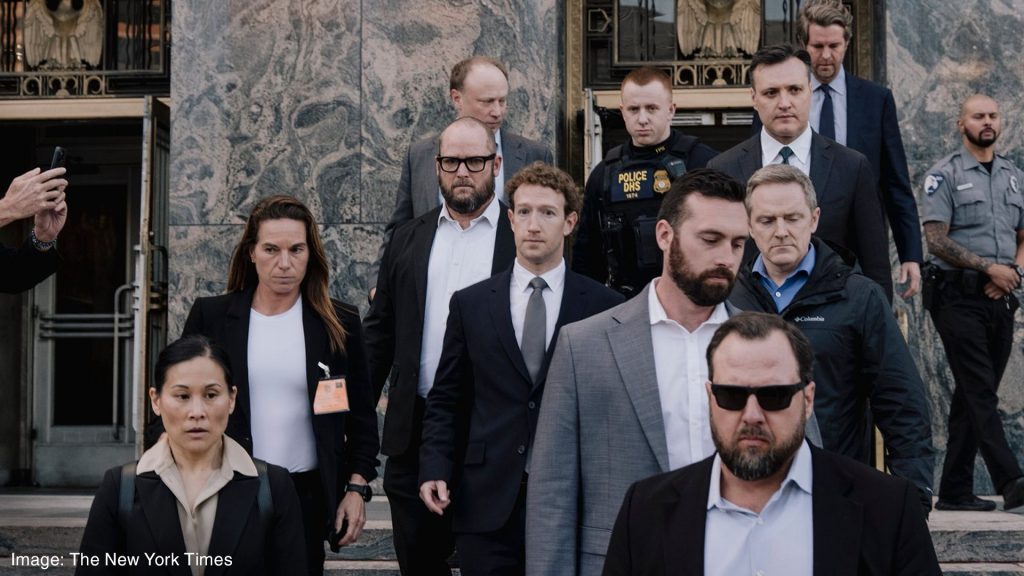
Eighteen internal experts warned Zuckerberg that Instagram’s beauty filters were harmful to teenage girls and could contribute to body dysmorphia, as reported by CNBC. Zuckerberg overruled them, reinstated the filters after a temporary ban, and told the court banning them felt “overbearing.” The courtroom also saw a 50-foot collage of Kaley HYPERLINK “https://www.npr.org/2026/02/18/nx-s1-5717117/zuckerberg-testimony-social-media-addiction-trial”‘ HYPERLINK “https://www.npr.org/2026/02/18/nx-s1-5717117/zuckerberg-testimony-social-media-addiction-trial”s selfies, many using beauty filters, placed before Meta’s leadership as lawyers asked whether the company had ever investigated unhealthy behaviour on her account. Not an abstract algorithm. A child’s face, repeated again and again, inside the machine.

New Mexico: The Undercover Operation That Proved The Case

State investigators created a fake social media profile for a 13-year-old girl on Facebook and Instagram. Within days, the account was flooded with sexually explicit material and targeted by adults soliciting the fake child. The investigation led to three real criminal arrests. CNBC reported that the jury found Meta had willfully violated state consumer protection law. New Mexico Attorney General Raul Torrez called it “a historic victory for every child and family who has paid the price for Meta’s choice to put profits over kids’ safety.”

The Floodgates Are Opening

Thousands of related cases are still pending against Meta, YouTube, TikTok, and Snapchat. In Kentucky, Breathitt County School District secured a $27 million settlement from Meta, Snap, TikTok, and YouTube — confirmed via public records obtained by Reuters. Meta paid $9 million, Snap and TikTok $8 million each, YouTube $2 million. The companies did not admit liability. More than 1,200 similar school district lawsuits remain active across the United States.

The Question Parents Were Waiting For

Big Tech’s old defence was simple: people choose to use the apps. But children are not ordinary consumers. A 9-year-old cannot understand engagement optimisation, algorithmic reward loops, targeted content, or the business model behind attention. That is why these cases matter. They are asking whether childhood became a market, whether vulnerability became a growth strategy, and whether the platforms that claimed to connect children were quietly training them to keep coming back. For years, families were told to fix screen time at home. Now courts are asking whether the apps were built to win that fight before parents even began.

By Shizza Farooqui

Sources

The Guardian | CNN | NPR | CNBC | Reuters via Bloomberg | ABC News | Engadget

The Screen-Time Excuse Is Cracking

For years, parents were told the same thing: control your child’s screen time. Take the phone away. Set limits. Watch what they scroll. Be stricter. But two major jury verdicts in March 2026 have pushed a harder question into court: what if the problem was not only children using social media too much, but platforms designed to make stopping feel almost impossible?

In California, a jury found Meta and Google HYPERLINK “https://www.theguardian.com/technology/2026/mar/25/meta-youtube-social-media-addiction-trial-verdict”‘ HYPERLINK “https://www.theguardian.com/technology/2026/mar/25/meta-youtube-social-media-addiction-trial-verdict”s YouTube negligent in a landmark social media addiction case. The jury awarded $6 million, with Meta assigned 70% of the harm and YouTube 30%. TikTok and Snapchat had settled ahead of trial. A day earlier, a New Mexico jury ordered Meta to pay $375 million after finding the company violated state consumer protection law in a case tied to child safety failures on Facebook and Instagram.

Outside the California courthouse, Julianna Arnold, a founding member of Parents Rise, spoke after the verdict. Her daughter died from fentanyl bought through Instagram. NPR reported her words: “They were manipulating our children for profits while we were watching and trying to keep our families safe. They are the predators.”

The Child At The Centre

The California case was brought by Kaley G.M., now 20, who opened Instagram at age 9 and later suffered anxiety, depression, body dysmorphia, suicidal thoughts, bullying, and sextortion. She told the court she stopped engaging with her family because she was spending all her time on the apps. Her case argued that features such as infinite scroll, autoplay, beauty filters, and engagement loops were not neutral design choices. They were part of a system built to keep children coming back. That is where the “digital casino” framing becomes so powerful.

When Design Becomes The Defendant

Eighteen internal experts warned Zuckerberg that Instagram’s beauty filters were harmful to teenage girls and could contribute to body dysmorphia, as reported by CNBC. Zuckerberg overruled them, reinstated the filters after a temporary ban, and told the court banning them felt “overbearing.” The courtroom also saw a 50-foot collage of Kaley HYPERLINK “https://www.npr.org/2026/02/18/nx-s1-5717117/zuckerberg-testimony-social-media-addiction-trial”‘ HYPERLINK “https://www.npr.org/2026/02/18/nx-s1-5717117/zuckerberg-testimony-social-media-addiction-trial”s selfies, many using beauty filters, placed before Meta’s leadership as lawyers asked whether the company had ever investigated unhealthy behaviour on her account. Not an abstract algorithm. A child’s face, repeated again and again, inside the machine.

New Mexico: The Undercover Operation That Proved The Case

State investigators created a fake social media profile for a 13-year-old girl on Facebook and Instagram. Within days, the account was flooded with sexually explicit material and targeted by adults soliciting the fake child. The investigation led to three real criminal arrests. CNBC reported that the jury found Meta had willfully violated state consumer protection law. New Mexico Attorney General Raul Torrez called it “a historic victory for every child and family who has paid the price for Meta’s choice to put profits over kids’ safety.”

The Floodgates Are Opening

Thousands of related cases are still pending against Meta, YouTube, TikTok, and Snapchat. In Kentucky, Breathitt County School District secured a $27 million settlement from Meta, Snap, TikTok, and YouTube — confirmed via public records obtained by Reuters. Meta paid $9 million, Snap and TikTok $8 million each, YouTube $2 million. The companies did not admit liability. More than 1,200 similar school district lawsuits remain active across the United States.

The Question Parents Were Waiting For

Big Tech’s old defence was simple: people choose to use the apps. But children are not ordinary consumers. A 9-year-old cannot understand engagement optimisation, algorithmic reward loops, targeted content, or the business model behind attention. That is why these cases matter. They are asking whether childhood became a market, whether vulnerability became a growth strategy, and whether the platforms that claimed to connect children were quietly training them to keep coming back. For years, families were told to fix screen time at home. Now courts are asking whether the apps were built to win that fight before parents even began.

By Shizza Farooqui

Sources

The Guardian | CNN | NPR | CNBC | Reuters via Bloomberg | ABC News | Engadget

spot_img

Explore more

spot_img
Business

The Ban That Built America’s Rival

The House Is Testing Trump’s Power

No Vaccine. No Trust. No Time.

The New Global Enemy Is The Migrant

Albania Is Not For Sale

Myanmar: The Genocide Nobody Is Watching

Sweden Stripped Islamophobia From Official Language. Muslims Are Asking Why.

808km. Nine Days. Pakistan Found Its Hero.