America’s Floating Death Penalty

America says it is fighting narco-terrorists.

But the numbers now look like something darker.

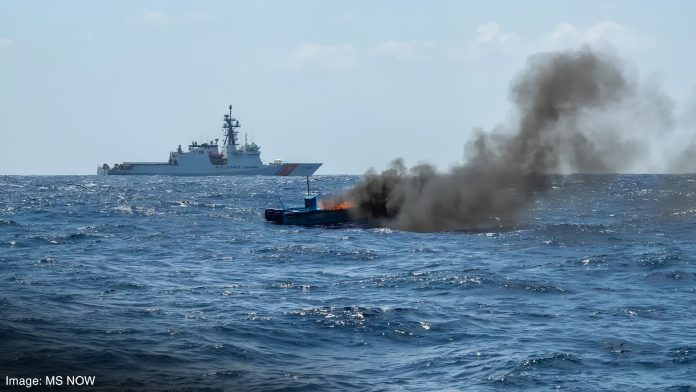
Since September 2025, the US military has carried out a growing campaign of strikes on suspected drug boats in the Caribbean Sea and eastern Pacific. The latest Associated Press count says the death toll has now reached 205 people, after another US strike killed three men in the eastern Pacific. The three men have not been publicly identified. No next-of-kin notifications have been reported. No evidence of drug cargo from their vessel has been made public. The administration says the boats were involved in narcotics trafficking, but the public has been given little evidence about who was killed, what was on board, or why lethal force was necessary instead of arrest.

This is why the story matters.

A drug case normally ends in seizure, arrest, evidence, charge, trial, and conviction. This campaign is different. The boat appears. The military labels it a threat. The strike happens. The people die. The evidence mostly disappears with the wreckage.

The Ocean Became a Courtroom

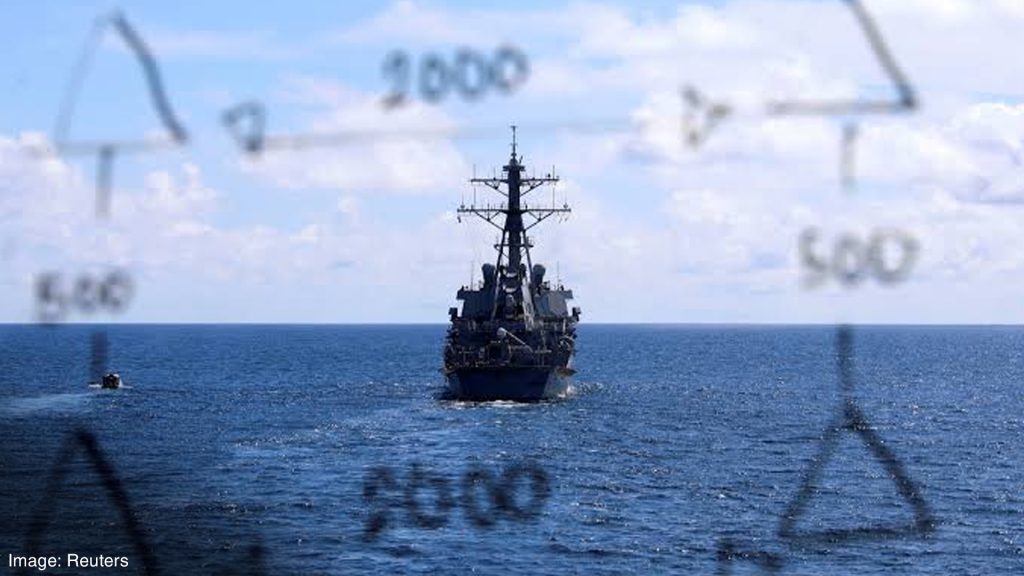
PolitiFact reported that the US military has struck more than 60 boats since September 2, 2025, and that SOUTHCOM released footage of boats being blown up while offering limited public evidence for some strike claims. AP also reported that more than 60 boats have been destroyed, with minimal evidence offered to substantiate the danger posed to the people killed.
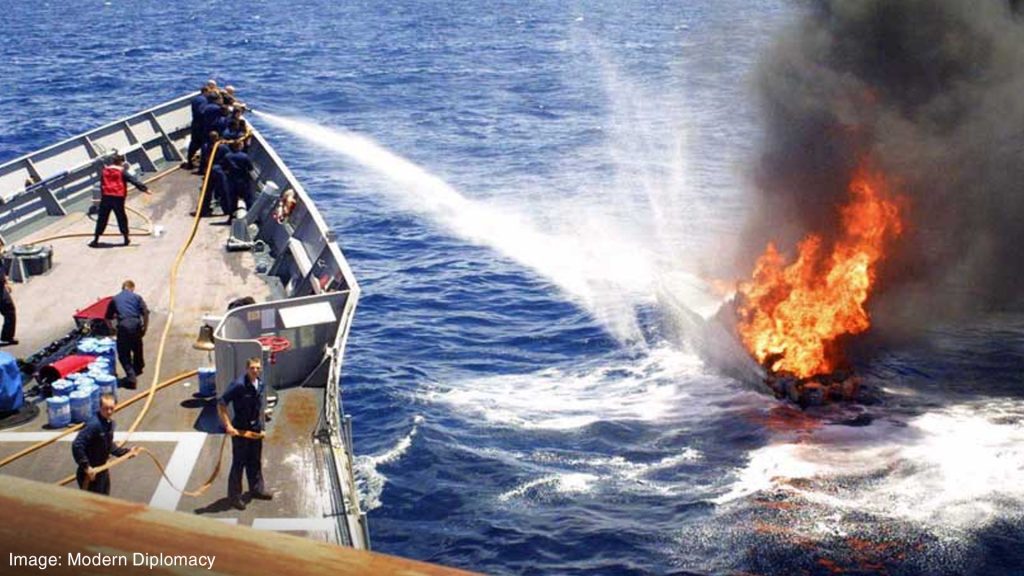
That does not prove the people on the boats were innocent. It means the public has not been shown enough to judge the government’s claim.

And that distinction matters.

The US is not simply interdicting boats and bringing suspects to court. It is killing people at sea under a legal theory that treats alleged traffickers as wartime enemies. AP reported that the Trump administration has declared the US to be in an armed conflict with Latin American drug cartels, blaming them for drug flows into the United States.

That changes everything.

Because once the government calls suspects enemy combatants, the courtroom begins to disappear.

The Survivor Strike Changed the Story

The most disturbing part is what happened after one initial strike.

Human Rights Watch documented that in at least one case, survivors of an initial strike were then killed in a follow-up strike – a claim that lawmakers, legal experts, and human rights groups have described as a potential execution. A court has not issued a final ruling on that specific strike. But the moral question does not wait for a court. Can a government conduct a second strike specifically to kill people who survived the first? And if so, under what legal authority?

Human Rights Watch described the wider maritime campaign as extrajudicial killings. UN experts warned that the US war on narco-terrorists violates the right to life.

The UN Says This Is Illegal

UN experts warned after the early September strike that international law does not allow governments to simply kill alleged drug traffickers. They said criminal activity should be disrupted, investigated, and prosecuted through the rule of law, not treated as permission for lethal force without trial.

Human Rights Watch also described the maritime strikes as unlawful extrajudicial killings, saying governments should push back against what it called lawless executions at sea.
This is the heart of the story.

The question is not whether drug trafficking is real. It is real. The question is whether the state can use the language of war to erase due process.

The US has confirmed 205 dead. It has confirmed zero drug seizures from those strikes.

No arrest. No evidence tested. No defense. No appeal.

Just a flash of fire on the water, and another body count added to a campaign the public still barely understands.

Because if suspicion becomes enough to kill, then the ocean becomes a courtroom without a judge.

By Shizza Farooqui

Sources

1. Associated Press – death toll, strike count, armed conflict declaration: https://www.apnews.com

2. PolitiFact – boat strike count and SOUTHCOM footage: https://www.politifact.com

3. Reuters – wider context of US maritime campaign: https://www.reuters.com

4. OHCHR – UN experts warning on right to life violations: https://www.ohchr.org

5. Human Rights Watch – extrajudicial killings designation, survivor strike documentation: https://www.hrw.org
America says it is fighting narco-terrorists.

But the numbers now look like something darker.

Since September 2025, the US military has carried out a growing campaign of strikes on suspected drug boats in the Caribbean Sea and eastern Pacific. The latest Associated Press count says the death toll has now reached 205 people, after another US strike killed three men in the eastern Pacific. The three men have not been publicly identified. No next-of-kin notifications have been reported. No evidence of drug cargo from their vessel has been made public. The administration says the boats were involved in narcotics trafficking, but the public has been given little evidence about who was killed, what was on board, or why lethal force was necessary instead of arrest.

This is why the story matters.

A drug case normally ends in seizure, arrest, evidence, charge, trial, and conviction. This campaign is different. The boat appears. The military labels it a threat. The strike happens. The people die. The evidence mostly disappears with the wreckage.

The Ocean Became a Courtroom

PolitiFact reported that the US military has struck more than 60 boats since September 2, 2025, and that SOUTHCOM released footage of boats being blown up while offering limited public evidence for some strike claims. AP also reported that more than 60 boats have been destroyed, with minimal evidence offered to substantiate the danger posed to the people killed.

That does not prove the people on the boats were innocent. It means the public has not been shown enough to judge the government’s claim.

And that distinction matters.

The US is not simply interdicting boats and bringing suspects to court. It is killing people at sea under a legal theory that treats alleged traffickers as wartime enemies. AP reported that the Trump administration has declared the US to be in an armed conflict with Latin American drug cartels, blaming them for drug flows into the United States.

That changes everything.

Because once the government calls suspects enemy combatants, the courtroom begins to disappear.

The Survivor Strike Changed the Story

The most disturbing part is what happened after one initial strike.

Human Rights Watch documented that in at least one case, survivors of an initial strike were then killed in a follow-up strike – a claim that lawmakers, legal experts, and human rights groups have described as a potential execution. A court has not issued a final ruling on that specific strike. But the moral question does not wait for a court. Can a government conduct a second strike specifically to kill people who survived the first? And if so, under what legal authority?

Human Rights Watch described the wider maritime campaign as extrajudicial killings. UN experts warned that the US war on narco-terrorists violates the right to life.

The UN Says This Is Illegal

UN experts warned after the early September strike that international law does not allow governments to simply kill alleged drug traffickers. They said criminal activity should be disrupted, investigated, and prosecuted through the rule of law, not treated as permission for lethal force without trial.

Human Rights Watch also described the maritime strikes as unlawful extrajudicial killings, saying governments should push back against what it called lawless executions at sea.

This is the heart of the story.

The question is not whether drug trafficking is real. It is real. The question is whether the state can use the language of war to erase due process.

The US has confirmed 205 dead. It has confirmed zero drug seizures from those strikes.

No arrest. No evidence tested. No defense. No appeal.

Just a flash of fire on the water, and another body count added to a campaign the public still barely understands.

Because if suspicion becomes enough to kill, then the ocean becomes a courtroom without a judge.

By Shizza Farooqui

Sources

1. Associated Press – death toll, strike count, armed conflict declaration: https://www.apnews.com

2. PolitiFact – boat strike count and SOUTHCOM footage: https://www.politifact.com

3. Reuters – wider context of US maritime campaign: https://www.reuters.com

4. OHCHR – UN experts warning on right to life violations: https://www.ohchr.org

5. Human Rights Watch – extrajudicial killings designation, survivor strike documentation: https://www.hrw.org

spot_img

Explore more

spot_img
Business

The Ban That Built America’s Rival

The House Is Testing Trump’s Power

No Vaccine. No Trust. No Time.

The New Global Enemy Is The Migrant

Albania Is Not For Sale

Myanmar: The Genocide Nobody Is Watching

Sweden Stripped Islamophobia From Official Language. Muslims Are Asking Why.

808km. Nine Days. Pakistan Found Its Hero.