They were called lazy, distracted and too online.
Then governments started falling.
It began in Bangladesh in 2024. Students took to the streets over a quota system that reserved government jobs for descendants of independence war veterans. The protests grew into something else entirely. Prime Minister Sheikh Hasina fled the country after demonstrators stormed her official residence. She was later sentenced to death in absentia by Bangladesh’s International Crimes Tribunal for crimes against humanity during the crackdown, which a UN fact-finding mission estimated left more than 1,400 people dead. The world watched a government collapse in real time, driven by young people with phones and fury.
Then the wave spread.
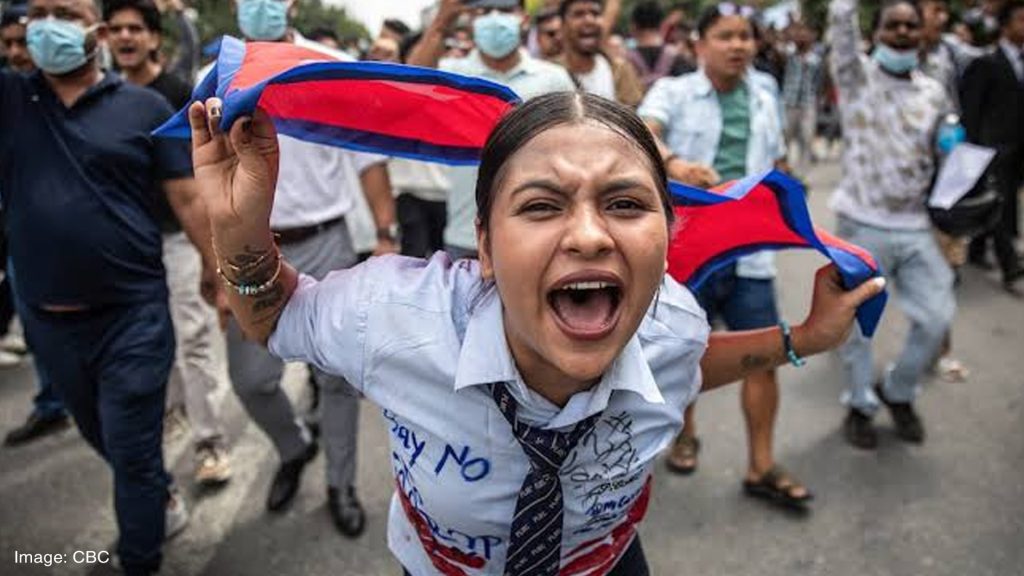
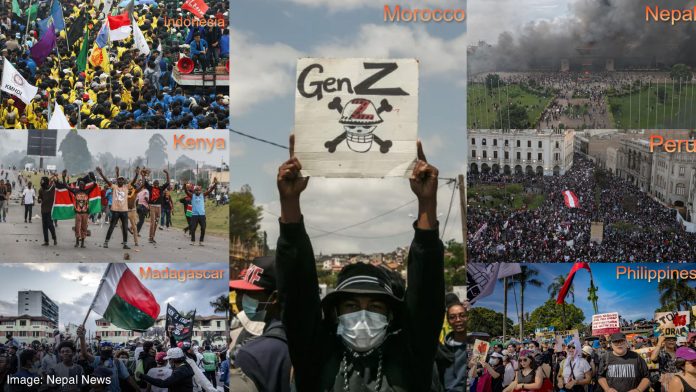
In Nepal, youth-led protests over corruption, inequality and a government social media ban pushed Prime Minister K.P. Sharma Oli to resign in September 2025. Demonstrators took to the streets for just five days before the government fell. In Madagascar, Gen Z-led protests over electricity cuts, water shortages and poverty forced President Andry Rajoelina to flee the country aboard a French military aircraft after parts of the army joined the protesters. At least 22 people were killed in the first days of unrest. In Bulgaria, mass protests over corruption and unpopular budget reforms pushed Prime Minister Rosen Zhelyazkov’s government to resign in December 2025, making it the first European government toppled by Gen Z-led unrest. In Peru, civil unrest contributed to President Dina Boluarte’s impeachment after hundreds of thousands took to the streets.
This is not random chaos. It is a generation discovering that the old path no longer works.
Study hard. Get a job. Save money. Buy a home. Build a future. That was the promise. For millions of young people, that promise now feels like a story told by people who already got theirs. The International Labour Organization reports that one in four young people worldwide are neither employed nor in education or training. In the United States, 45% of employers say they would rather hire a freelancer or bring back a retired employee than hire a Gen Z worker. 37% say they would prefer AI to do the job instead. Three in five young renters spend more than 30% of their income on housing alone. A March 2026 survey by Beyond Finance found that 70% of Gen Z and millennials describe survival spending as their norm. Only 32% still believe the American Dream is attainable.
That pressure has found a new political machine.
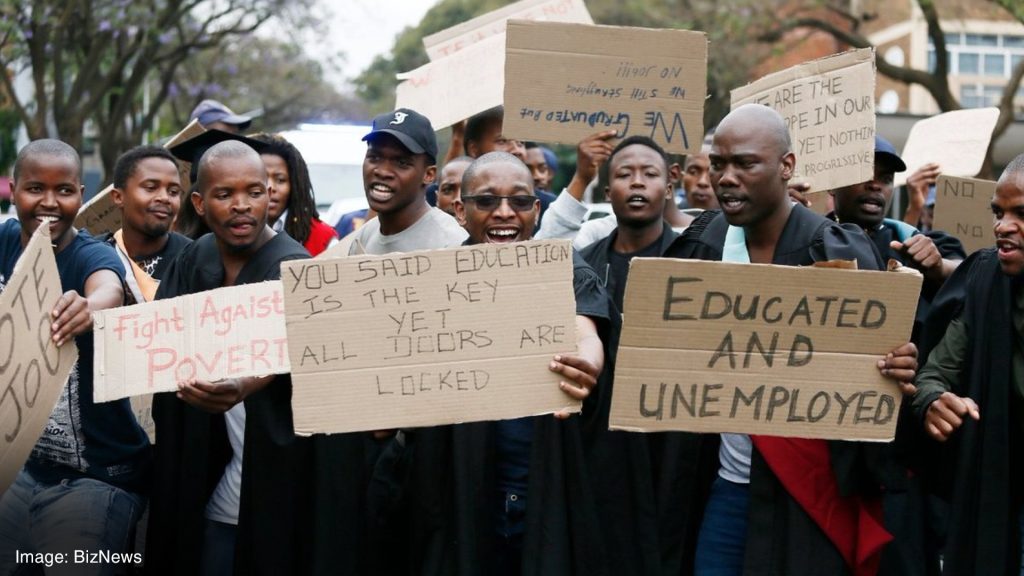
Gen Z does not organize like older movements did. It does not need party offices, union halls or traditional leaders. Its infrastructure is phones, group chats, Discord, Reddit, TikTok, Instagram and livestreams. Complex issues become short videos. Anger becomes memes. Memes become identity. Identity becomes turnout. Then the streets fill faster than governments can react.
That wave has reached wealthy democracies too. In November 2025, Zohran Mamdani won the New York City mayoral race against former Governor Andrew Cuomo, who was backed by billionaires and endorsed by Donald Trump. A year before his victory, Mamdani was polling at 1%. He won with over a million votes, the most by any New York mayoral candidate since the 1960s. In his victory speech he said: “I am young. I am Muslim. I am a democratic socialist. And most damning of all, I refuse to apologize for any of this.”
But the story is not simple victory.
In Nepal, protest leaders said they were frozen out of decision-making after the government fell. In Madagascar, the military took over and none of the protest movement’s figures were named to the new government. The same old networks moved back into the room. The anger did not disappear. It waited. Bloomberg Economics now flags Ethiopia, the Central African Republic, Angola, Guatemala, the Republic of Congo and Malaysia as countries at heightened risk of civil unrest in 2026.
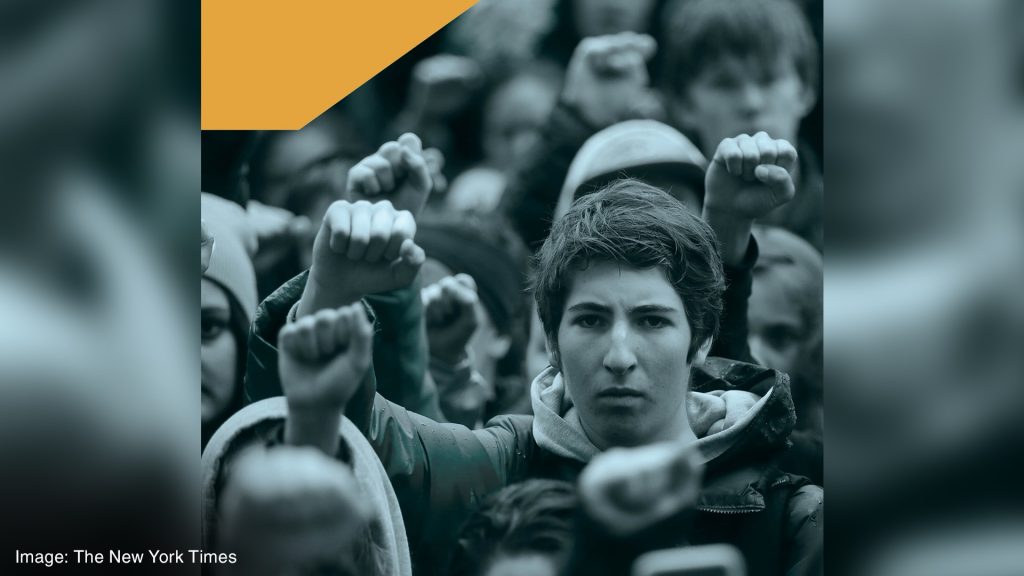
This generation is not asking politely to be included anymore. It is forcing its way into systems that priced it out, ignored it, mocked it and expected it to stay online.
Now governments are learning the cost of that mistake.
When Gen Z fights back, power moves. And when power refuses to move, governments fall.
By Shizza FarooquiSources: Reuters | AP | Bloomberg | The Guardian | International Labour Organization | Beyond Finance | Democracy Now | Britannica | France 24 | Foreign Policy