
Mossad Assassination Claim Against Pakistan Army Chief Sparks Online Debate, But Evidence Remains Unclear
Isla Montclair
Asim Munir Mossad Assassination Claim Goes Viral
A claim alleging that Israel’s intelligence agency Mossad planned to assassinate Pakistan’s army chief Field Marshal Asim Munir has gained attention online, creating a wave of speculation across social media and geopolitical discussions.
The allegation suggested that Pakistan’s military leadership had intercepted intelligence about a possible threat against Field Marshal Asim Munir during a diplomatic visit connected to Switzerland peace talks.
However, the claim has not been independently verified, and no confirmed evidence has been publicly presented to support the allegation.
The situation has raised questions about how quickly unverified geopolitical claims can spread during periods of heightened international tension.
Pepe Escobar Claim About Mossad Plot
The claim originated from comments made by Brazilian journalist and geopolitical analyst Pepe Escobar during an online discussion with political commentator Mario Nawfal.
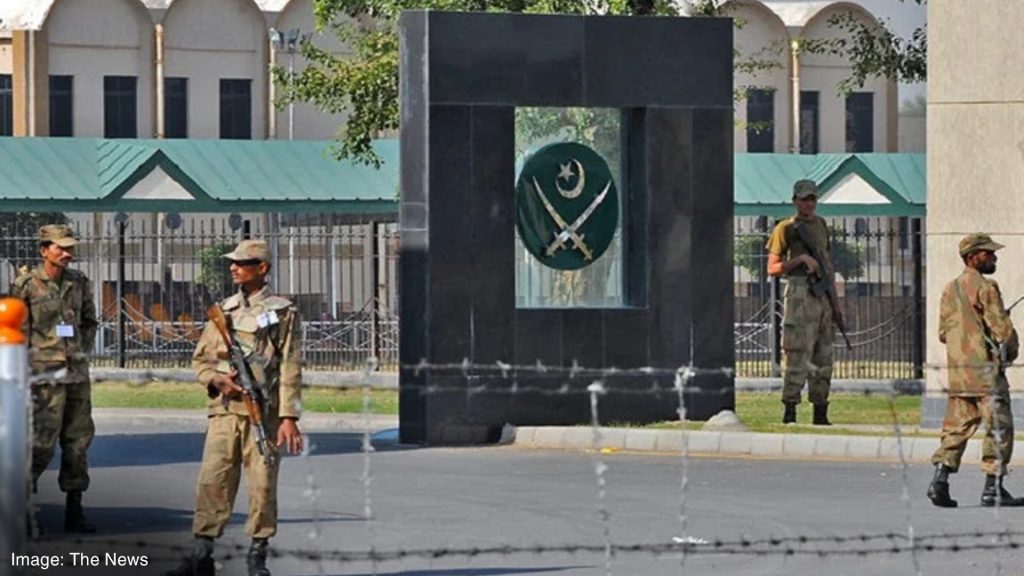
Escobar reportedly claimed that Pakistan’s Inter Services Intelligence agency had obtained highly credible information suggesting Mossad was planning an operation targeting Asim Munir.
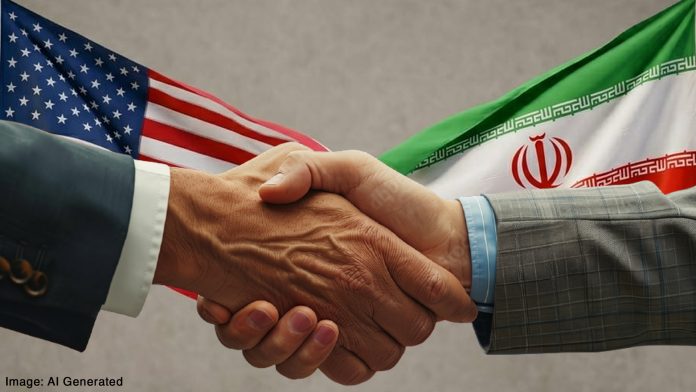
According to the claim, the alleged target was a Switzerland peace conference where Pakistan was involved in diplomatic efforts connected to discussions between the United States and Iran.
The claim further suggested that Pakistan issued a serious warning through diplomatic channels.
However, these details have not been confirmed by official documents, intelligence statements, or independent reporting.
Pakistan Denies Asim Munir Threat Allegations
Pakistan’s government and military officials rejected the allegations, describing them as baseless.
Officials stated that there was no security disruption during the delegation’s visit and that the Switzerland trip proceeded normally.
The denial indicates that Pakistani authorities do not consider the assassination claim credible.
The response also highlights the difficulty of verifying intelligence related claims, especially when allegations involve international actors and national security issues.
No Mainstream Confirmation or Independent Evidence
A major factor surrounding the controversy is the lack of independent confirmation.
No major international media organizations have reported verified evidence supporting the claim. Security authorities in Switzerland and the United States have also not publicly announced any threat alerts or security concerns connected to the alleged incident.
This absence of confirmation does not automatically prove that nothing happened, but it means the allegation remains unverified.
In intelligence related matters, information often remains classified, making public verification difficult.
Pakistan Israel Tensions and Regional Context
The claim has gained attention partly because of existing geopolitical tensions involving Pakistan, Israel, Iran, and the United States.
The alleged incident was linked to Switzerland talks involving US Iran diplomacy, a sensitive issue in a region already facing significant political pressure.
During such periods, misinformation and unverified claims can spread quickly, especially when they involve intelligence agencies and possible security threats.
The Asim Munir Mossad claim has therefore become part of a wider discussion about information warfare and geopolitical narratives.
What Is Confirmed and What Remains Unknown
What is confirmed is that a claim was made online alleging a Mossad assassination plan against Pakistan’s army chief.
What is also confirmed is that Pakistani officials rejected the allegation and described it as false.
What remains unclear is whether there was any intelligence information behind the claim or whether it was simply an unsupported allegation.
Without official evidence, independent investigation, or confirmation from multiple reliable sources, the full truth behind the claim remains uncertain.
As geopolitical tensions continue, the incident serves as another example of how sensitive security claims can quickly become global talking points before facts are fully established.