
How Media Language Quietly Whitewashes Israel’s War in Gaza

Maryam Tariq

Investigations into three of the world’s most influential newsrooms, The New York Times, the BBC and Sky News, and CNN, have uncovered internal policies and documented language patterns that consistently shape coverage of Israel’s war in Gaza in one direction. Taken individually, each finding could look like an editorial judgment call. Taken together, they describe something closer to a pattern.

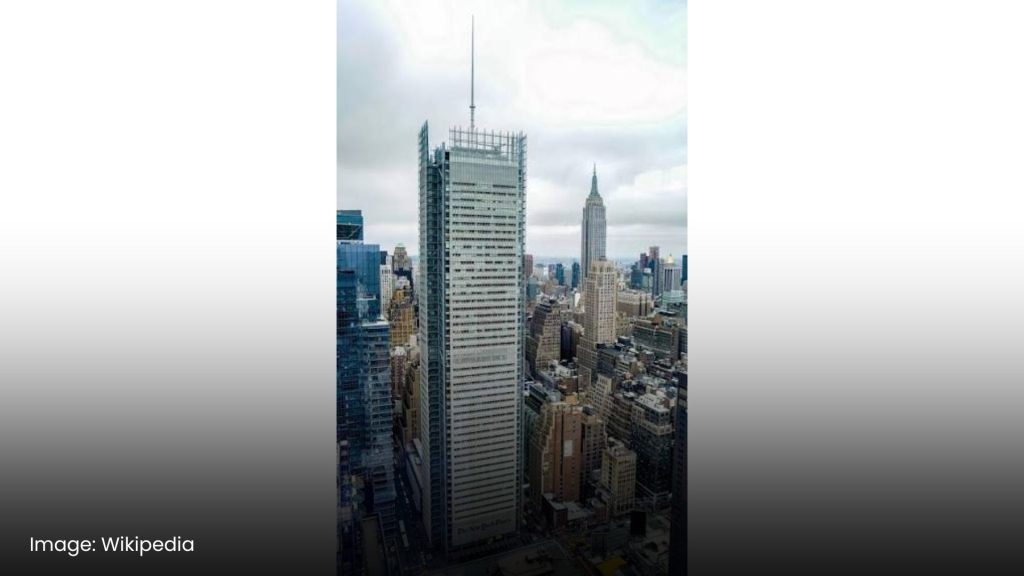
The New York Times’ Banned Word List

An investigation published by The Intercept in April 2024 exposed a regularly updated internal style guide distributed to New York Times journalists covering the war. According to the leaked memo, reporters were explicitly instructed to avoid the terms genocide, ethnic cleansing and occupied territory when describing Israeli military actions, internationally recognized terms used by human rights organizations and legal bodies. The memo reportedly went further, directing journalists to avoid the phrase refugee camps when referring to areas like Jabalia, despite the United Nations officially classifying such areas under that designation. Critics have argued that removing precise legal and humanitarian terminology from coverage doesn’t just soften language, it actively withholds context readers need to understand the legal weight of what’s happening on the ground.

The Data Behind BBC and Sky News’ Passive Voice

Separately, a linguistic data analysis published by Novara Media in 2026 examined thousands of articles across major UK outlets, comparing how each outlet covered identical events. The findings showed the BBC failed to name Israel as the perpetrator in fully half of its analyzed reports on Israeli attacks that killed Palestinian civilians. Sky News used passive voice constructions specifically when describing Palestinian casualties, phrasing like fifteen killed rather than Israel killed fifteen, in 71 percent of its coverage. This grammatical pattern effectively removes the actor from the sentence, letting readers absorb civilian deaths as an ambient, unattributed consequence of conflict rather than a specific, accountable act.

CNN’s Jerusalem Bureau Clearance Policy

Perhaps the most structurally significant finding comes from CNN. A Guardian investigation published in February 2024, based on accounts from six CNN staffers across multiple newsrooms and more than a dozen internal memos and emails, revealed that daily editorial decisions were shaped by strict directives from CNN’s Atlanta headquarters. These directives reportedly placed tight restrictions on quoting Hamas officials and including Palestinian perspectives, while Israeli government statements were taken at face value. Crucially, staffers said every single story related to the conflict, regardless of where in the world it originated, had to be cleared by CNN’s Jerusalem bureau before broadcast or publication. Separate Intercept reporting found that CNN’s Jerusalem operation functions under Israel’s military censorship rules, meaning foreign journalists must sign agreements to abide by restrictions on what can be published at all. One anonymous CNN staffer told the Intercept plainly that war-crime and genocide are taboo words inside the network.
The Double Standard in Sourcing

A recurring theme across all three newsrooms is an asymmetric standard applied to casualty data. CNN staffers said any reference to death toll figures from Gaza’s Health Ministry had to include the qualifier Hamas-run or Hamas-controlled, a skepticism that was not applied to Israeli military’s own self-reported figures. The BBC data study found a similar pattern, labeling Gaza’s health ministry Hamas-affiliated in the majority of its death toll citations, while rarely noting that international bodies including the UN consider those same figures credible.

One CNN Journalist Pushed Back Internally

The scrutiny wasn’t confined to outside criticism. Internal Intercept reporting later revealed that CNN’s own chief international anchor, Christiane Amanpour, directly confronted network leadership in an internal meeting over what she and colleagues described as double standards in the network’s Israel-Gaza coverage, specifically citing the Jerusalem bureau clearance process as a recurring point of internal concern.

Why This Pattern Matters
None of these three findings exist in isolation. A banned word list, a passive voice pattern documented at scale, and a structural review process that filters coverage through a single office before publication each represent a different mechanism, vocabulary, grammar, and institutional gatekeeping, achieving a similar effect: shaping how millions of readers and viewers understand who bears responsibility for what has happened in Gaza.

Sources:

·  Leaked NYT Gaza Memo Tells Journalists to Avoid Genocide, Ethnic Cleansing and Occupied Territory — The Intercept: https://theintercept.com/2024/04/15/nyt-israel-gaza-genocide-palestine-coverage/

·  Leaked NY Times memo reveals biased pro-Israel coverage of Gaza war — People’s World: https://www.peoplesworld.org/article/leaked-n-y-times-memo-reveals-biased-pro-israel-coverage-of-gaza-war/

·  BBC Failed to Name Israel As Perpetrator in Half of Civilian Casualty Reports, Data Shows — Novara Media: https://novaramedia.com/2026/04/23/bbc-failed-to-name-israel-as-perpetrator-in-half-of-civilian-casualty-reports-data-shows/

Maryam Tariq

Investigations into three of the world’s most influential newsrooms, The New York Times, the BBC and Sky News, and CNN, have uncovered internal policies and documented language patterns that consistently shape coverage of Israel’s war in Gaza in one direction. Taken individually, each finding could look like an editorial judgment call. Taken together, they describe something closer to a pattern.

The New York Times’ Banned Word List

An investigation published by The Intercept in April 2024 exposed a regularly updated internal style guide distributed to New York Times journalists covering the war. According to the leaked memo, reporters were explicitly instructed to avoid the terms genocide, ethnic cleansing and occupied territory when describing Israeli military actions, internationally recognized terms used by human rights organizations and legal bodies. The memo reportedly went further, directing journalists to avoid the phrase refugee camps when referring to areas like Jabalia, despite the United Nations officially classifying such areas under that designation. Critics have argued that removing precise legal and humanitarian terminology from coverage doesn’t just soften language, it actively withholds context readers need to understand the legal weight of what’s happening on the ground.

The Data Behind BBC and Sky News’ Passive Voice

Separately, a linguistic data analysis published by Novara Media in 2026 examined thousands of articles across major UK outlets, comparing how each outlet covered identical events. The findings showed the BBC failed to name Israel as the perpetrator in fully half of its analyzed reports on Israeli attacks that killed Palestinian civilians. Sky News used passive voice constructions specifically when describing Palestinian casualties, phrasing like fifteen killed rather than Israel killed fifteen, in 71 percent of its coverage. This grammatical pattern effectively removes the actor from the sentence, letting readers absorb civilian deaths as an ambient, unattributed consequence of conflict rather than a specific, accountable act.

CNN’s Jerusalem Bureau Clearance Policy

Perhaps the most structurally significant finding comes from CNN. A Guardian investigation published in February 2024, based on accounts from six CNN staffers across multiple newsrooms and more than a dozen internal memos and emails, revealed that daily editorial decisions were shaped by strict directives from CNN’s Atlanta headquarters. These directives reportedly placed tight restrictions on quoting Hamas officials and including Palestinian perspectives, while Israeli government statements were taken at face value. Crucially, staffers said every single story related to the conflict, regardless of where in the world it originated, had to be cleared by CNN’s Jerusalem bureau before broadcast or publication. Separate Intercept reporting found that CNN’s Jerusalem operation functions under Israel’s military censorship rules, meaning foreign journalists must sign agreements to abide by restrictions on what can be published at all. One anonymous CNN staffer told the Intercept plainly that war-crime and genocide are taboo words inside the network.

The Double Standard in Sourcing

A recurring theme across all three newsrooms is an asymmetric standard applied to casualty data. CNN staffers said any reference to death toll figures from Gaza’s Health Ministry had to include the qualifier Hamas-run or Hamas-controlled, a skepticism that was not applied to Israeli military’s own self-reported figures. The BBC data study found a similar pattern, labeling Gaza’s health ministry Hamas-affiliated in the majority of its death toll citations, while rarely noting that international bodies including the UN consider those same figures credible.

One CNN Journalist Pushed Back Internally

The scrutiny wasn’t confined to outside criticism. Internal Intercept reporting later revealed that CNN’s own chief international anchor, Christiane Amanpour, directly confronted network leadership in an internal meeting over what she and colleagues described as double standards in the network’s Israel-Gaza coverage, specifically citing the Jerusalem bureau clearance process as a recurring point of internal concern.

Why This Pattern Matters

None of these three findings exist in isolation. A banned word list, a passive voice pattern documented at scale, and a structural review process that filters coverage through a single office before publication each represent a different mechanism, vocabulary, grammar, and institutional gatekeeping, achieving a similar effect: shaping how millions of readers and viewers understand who bears responsibility for what has happened in Gaza.

Sources:

·  Leaked NYT Gaza Memo Tells Journalists to Avoid Genocide, Ethnic Cleansing and Occupied Territory — The Intercept: https://theintercept.com/2024/04/15/nyt-israel-gaza-genocide-palestine-coverage/

·  Leaked NY Times memo reveals biased pro-Israel coverage of Gaza war — People’s World: https://www.peoplesworld.org/article/leaked-n-y-times-memo-reveals-biased-pro-israel-coverage-of-gaza-war/

·  BBC Failed to Name Israel As Perpetrator in Half of Civilian Casualty Reports, Data Shows — Novara Media: https://novaramedia.com/2026/04/23/bbc-failed-to-name-israel-as-perpetrator-in-half-of-civilian-casualty-reports-data-shows/

spot_img

Explore more

spot_img
Global Affairs

IDF Finally Admits It Fired on Hind Rajab’s Car. Why Now,...

Trump Administration Is Making Haitians Choose Between an Ankle Monitor and...

Why Argentina, Not Israel, Is Leading the Push for New Allies...

Three West Bank Villages Hit at Once, Israel’s Own Ally Calls...

Al-Aqsa Incursions Are Getting Bigger and More Frequent Through 2026

West Bank Violence Is Surging as Israel Heads Toward October Elections