
Argentina Is Functioning as Israel’s Proxy in a New Push for Latin American Allies
Maryam Tariq
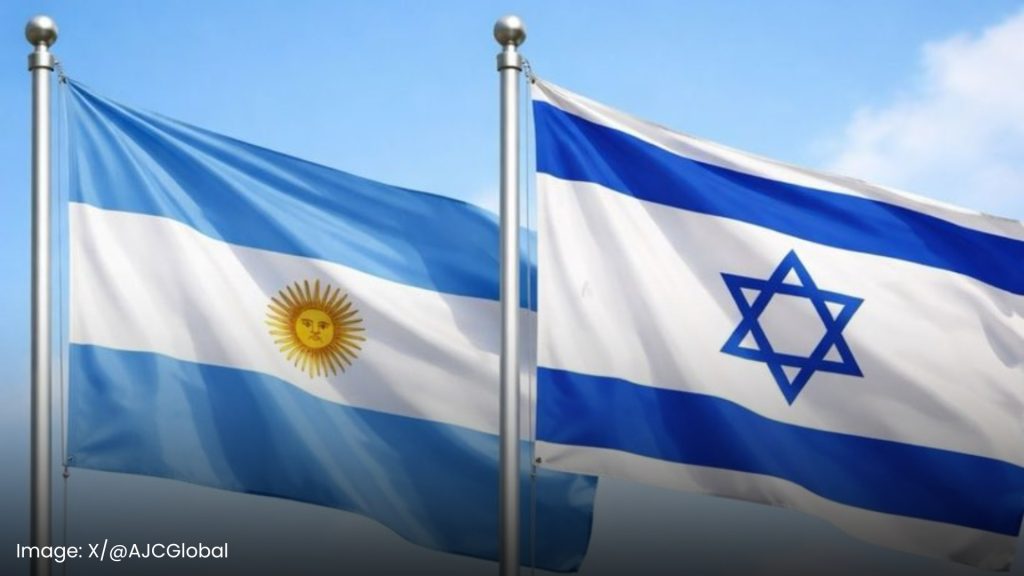
When Israel and Argentina launched the Isaac Accords on April 19, 2026, the framework was presented as a joint diplomatic initiative between two countries. But a closer look at who’s actually building it tells a different story, Argentina, led personally by President Javier Milei, has taken on the role of doing Israel’s regional recruiting for it.
The Timing Israel Needed This
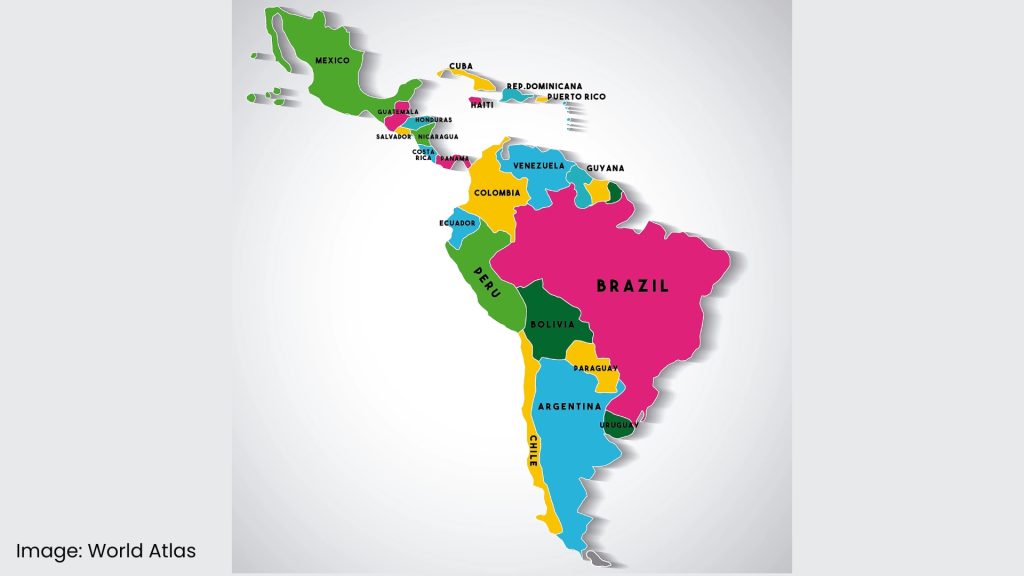
The Accords didn’t emerge from a position of strength. They launched at a moment when Israel was rapidly losing diplomatic ground across Latin America. Brazil, Colombia and Chile, all led by leftist governments, had condemned Israel’s conduct in Gaza, with Brazilian President Lula comparing Israel’s actions to the Holocaust. Bolivia went further, severing diplomatic relations entirely. Analysts describe the Isaac Accords not simply as an opportunity for Israel, but as a defensive maneuver, an attempt to institutionalize support through friendly governments precisely as broader regional and even European public opinion turned less reliable.

Milei’s Personal Investment in the Project
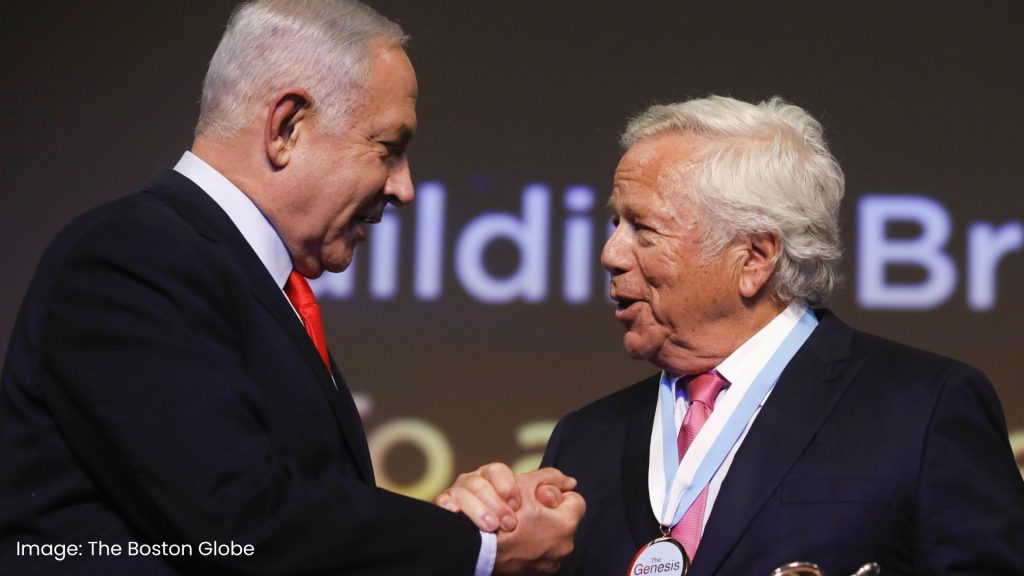
Argentina’s role goes well beyond hosting a signing ceremony. The groundwork began in 2025, when Milei redirected his $1 million Genesis Prize award, given in recognition of his support for Israel, to establish the American Friends of Isaac Accords, a nonprofit specifically built to drive public and private-sector diplomacy for the initiative. Milei has continued that personal involvement since, headlining conferences, courting lawmakers from other countries, and using his own political capital to push the framework forward, activity that goes well beyond what a typical co-signatory nation would normally undertake.
Argentina Organizing Israel’s Regional Outreach
That involvement was on full display in June, when the Israel Allies Foundation, an Israeli advocacy organization, partnered directly with Milei’s American Friends of Isaac Accords to organize a three-day Latin America Chairmen’s Conference in Buenos Aires. The event drew more than 20 lawmakers, ambassadors and religious leaders from a dozen countries, including Brazil, Venezuela, Ecuador, Colombia, Honduras, Chile, Costa Rica, Guatemala, Paraguay, Uruguay, Bolivia and Panama, concluding with a signed resolution backing the Accords’ expansion. Israeli diplomats have been explicit about the strategic purpose behind this kind of outreach, describing the Isaac Accords as a way to pull undecided Latin American states into Israel’s orbit at a moment when European public opinion has become less reliable, effectively repositioning parts of the Global South as a strategic rear guard for Israeli diplomacy.

Why Argentina Specifically Fits This Role
Argentina’s alignment with Israel’s regional priorities extends well beyond the Accords themselves. Under Milei, Argentina has designated Iran’s Islamic Revolutionary Guard Corps a terrorist organization, downgraded diplomatic engagement with Tehran, and backed international efforts to prevent Iran from acquiring nuclear capabilities, positions that closely mirror Israel’s own security concerns regarding Iranian influence in the region. Critics argue this alignment extends into pressuring political opponents as well. Academic Francesco Panotto has argued that the Accords’ anti-drug-trafficking framing functions partly as a pretext to target critical, left-wing voices, pointing specifically to the treatment of Colombian President Gustavo Petro as an example of this dynamic in practice.
What Argentina Gets in Return
This isn’t a one-directional arrangement. In exchange for its advocacy role, Argentina receives real, concrete benefits, an AI cooperation memorandum covering supercomputing infrastructure and joint research between Israel’s National AI Headquarters and Argentina’s science ministry, a new direct El Al flight route connecting Buenos Aires to Tel Aviv starting in December, and access to Israeli technology transfer in agriculture and water management tied to Argentina’s broader economic reform agenda. Framed this way, Argentina’s advocacy isn’t simply ideological solidarity, it’s directly tied to tangible economic and technological payoffs.
What This Reveals About the Accords’ Actual Structure

Taken together, these details suggest the Isaac Accords function less as a purely bilateral framework between two equal partners and more as a structure where Argentina, incentivized by its own economic and ideological interests, does the active work of expanding Israel’s coalition across a region where Israel’s own diplomatic standing has weakened considerably. Whether other countries continue signing on will likely depend less on Israel’s own outreach and more on how effectively Argentina, and the conservative, Evangelical-aligned governments it’s courting, can continue playing that recruiting role.
Sources:
· The Isaac Accords, Argentina’s new strategic framework with Israel — DLA Piper: https://www.dlapiper.com/en-us/insights/publications/2026/04/the-isaac-accords-argentina-and-israel
· Isaac Accords Israel’s push to gain ground in Latin America — Al Mayadeen English: https://english.almayadeen.net/news/politics/-isaac-accords—-israel-s–push-to-gain-ground-in-latin-ame
· Latin American countries back Isaac Accords, Jerusalem embassy move — The Jerusalem Post: https://www.jpost.com/international/article-901010
· What To Know About the Isaac Accords — American Jewish Committee: https://www.ajc.org/news/what-to-know-about-the-isaac-accords