Three West Bank Flashpoints in 48 Hours Reveal a Pattern, Not Isolated Incidents
Maryam Tariq
Over a single 48-hour window this week, Israeli settlers and military forces carried out coordinated operations across three separate locations in the occupied West Bank, a siege in Qusra, mass demolitions in Kafr Sur and Ya’bad, and pepper spray ambushes on civilian vehicles and an ambulance crew near Jenin and Bethlehem. Taken individually, each incident might read as a standalone story. Taken together, within the same brief window, they describe something closer to a coordinated surge than a series of unconnected events.
Flashpoint One: The Siege in Qusra
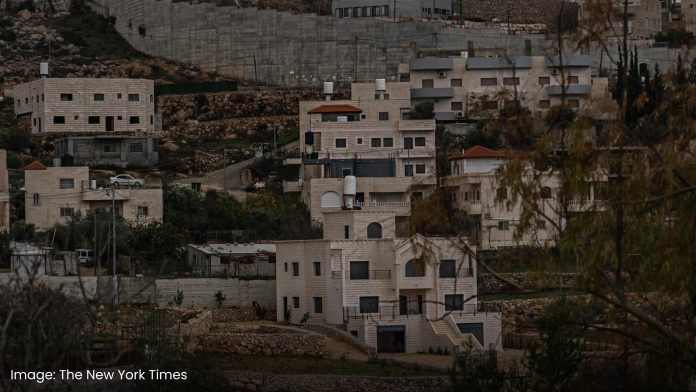
Since Sunday, dozens of Israeli settlers gathered around three Palestinian homes in the village of Qusra, south of Nablus, including one belonging to Palestinian American Loui Ridi. Settlers threw stones, attempted to bring down a stone wall, and blocked residents from leaving as food and water supplies dwindled. US Ambassador to Israel Mike Huckabee, an evangelical pastor who has previously voiced support for Israeli settlements in the West Bank, condemned the siege in unusually sharp terms, writing on X that actions by those who carried out this horrific act of terror meant to intimidate and harass this family are disgusting, adding there was no excuse for such thuggish behavior. Huckabee said Israeli troops had intervened at the US embassy’s request, though the military failed twice to disperse the settlers before eventually dismantling two illegal outposts and detaining one Israeli, according to the IDF.
Flashpoint Two: Demolitions in Ya’bad and Kafr Sur
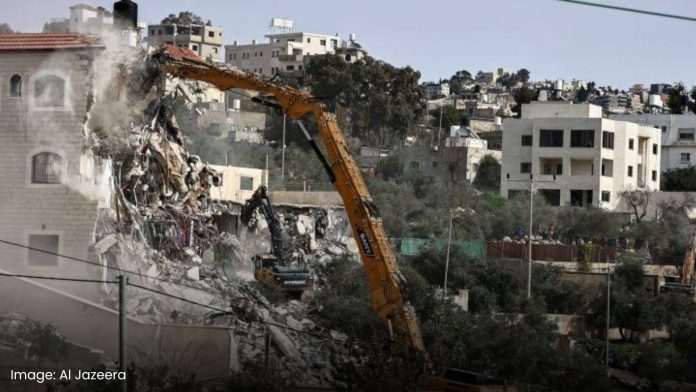
At the same time, roughly 20 kilometers away, Israeli forces carried out a separate operation in Ya’bad, southwest of Jenin, forcibly evicting three Palestinian families from a residential building and converting the seized property into a military post. In nearby Kafr Sur, near Tulkarem, Israeli forces raided the area and issued sweeping demolition orders against a 10-story residential building, two private villas and a farmhouse, despite residents reportedly holding valid ownership documents and legal building permits.
Flashpoint Three: Highway Ambushes Near Jenin and Bethlehem
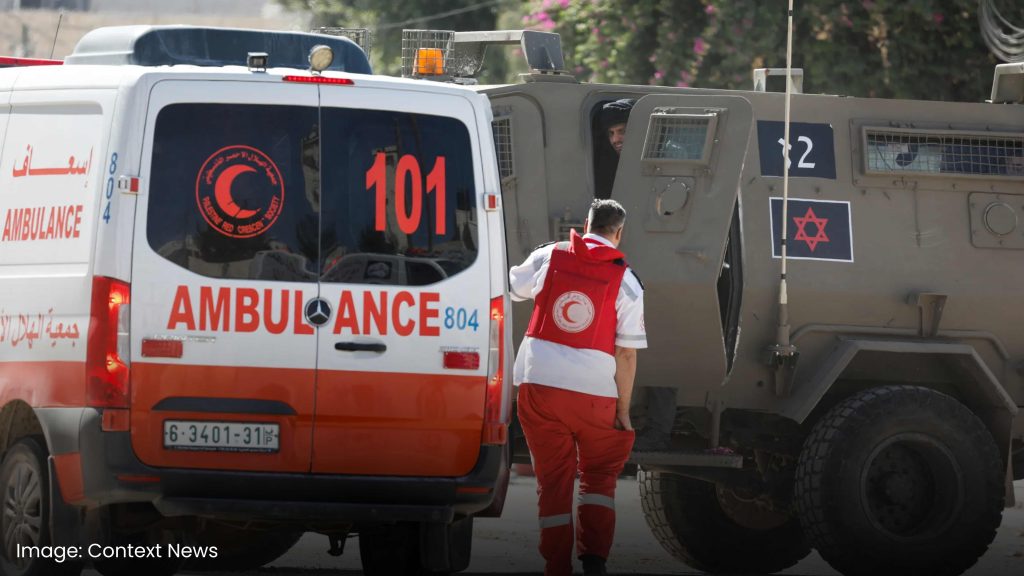
The same window also saw a separate wave of attacks targeting Palestinian civilians on the road. On the evening of August 13, a group of settlers ambushed a civilian vehicle traveling between Arraba and Ya’bad, pepper spraying the passengers, including a 64-year-old man, a 40-year-old man and a young girl, all of whom required emergency treatment from the Palestine Red Crescent Society. In a separate but nearly identical incident in Abu Nujaym, southeast of Bethlehem, settlers opened fire on civilians and, when an ambulance crew arrived to treat the wounded, pepper sprayed the paramedics as well, disabling the emergency response.
Why the Timing Is the Real Story
None of these incidents occurred in isolation from the broader trend. According to Israel’s own Kan public broadcaster, serious incidents of nationalistic crime by extremist settlers, offenses Israeli security bodies themselves classify as terrorism, surged 63 percent in the first half of 2026 compared to the same period the year before, with 660 attacks recorded in just six months, up from 405 the year prior. Attacks targeting Israeli security forces also rose 50 percent over the same period. UN data separately shows that in 2026 alone, over 3,800 Palestinians, nearly half of them children, have been displaced through a combination of home demolitions, eviction notices and settler violence.
Accountability Questions Raised by the Response
Palestinians and members of Israel’s own political opposition have accused Prime Minister Benjamin Netanyahu’s government of turning a blind eye to settler violence as these incidents have climbed over the past several years. The Qusra case in particular highlights a gap between stated protective intent and outcome, Israeli forces intervened at direct US request, yet still failed twice before managing only a partial resolution, dismantling outposts rather than fully removing the settlers involved, according to Qusra’s mayor, who said settlers remained present in other parts of the village even after the evacuation.
Why Three Flashpoints Matter More Than One
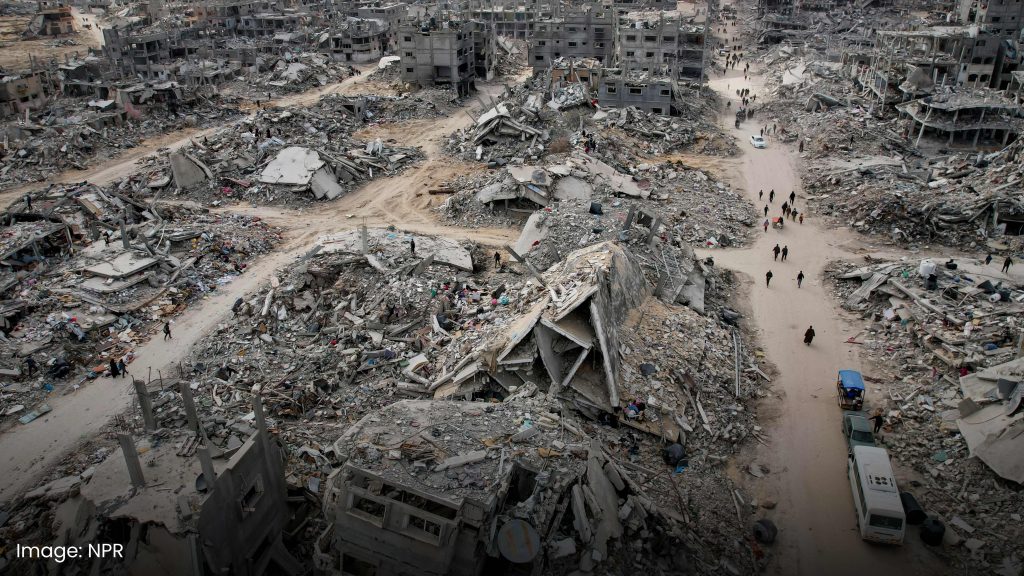
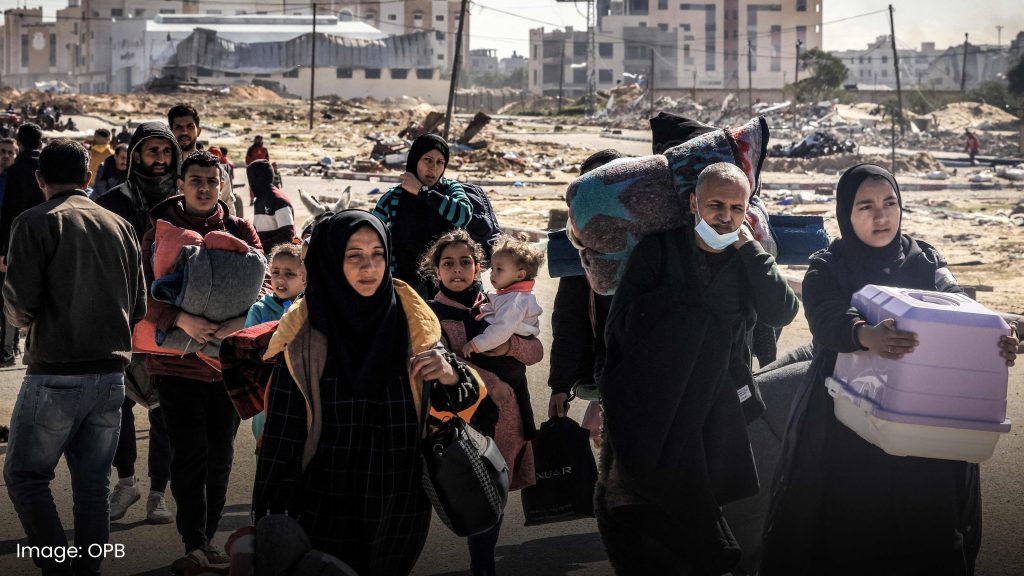
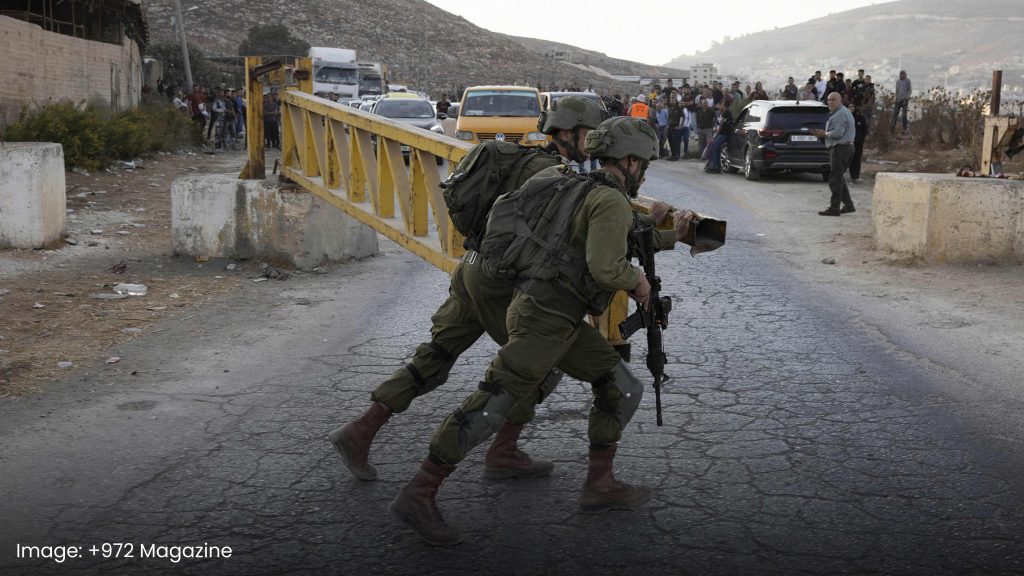
The significance of this week’s events lies less in any single siege, demolition order or highway ambush, and more in their simultaneity. Three distinct flashpoints, hitting village sieges, infrastructure seizure and civilian transport all within the same 48-hour period, fit squarely inside a documented, officially measured trend rather than standing apart from it, suggesting a level of coordination and frequency that a single incident, however serious, would not fully capture on its own.
Sources:
· US ambassador to Israel slams settler siege of West Bank Palestinians as “terror” — France 24: https://www.france24.com/en/middle-east/20260813-us-ambassador-to-israel-slams-settler-siege-against-west-bank-palestinians-terror
· US diplomat calls Israeli settler siege of West Bank homes “act of terror” — Al Jazeera: https://www.aljazeera.com/news/2026/8/13/us-diplomat-calls-israeli-settler-siege-of-west-bank-homes-act-of-terror
· US Ambassador Calls Israeli Settler Siege of Palestinian-American Family’s Home “Act of Terror” — HNGN: https://www.hngn.com/articles/272732/20260813/us-ambassador-calls-israeli-settler-siege-palestinian-american-familys-home-act-terror.htm
· Settler siege of Palestinian homes in the West Bank a “horrific act of terror,” US ambassador says — NPR: https://www.npr.org/2026/08/13/g-s1-138574/us-west-bank-settlers