Trump’s “Jihadist” Remark Isn’t Just Rhetoric, CAIR Says It’s Putting Muslim Officials at Risk
Maryam Tariq
President Trump’s suggestion that Republicans should call opponents “jihadists” heading into November’s midterms has drawn a sharp warning from the country’s largest Muslim civil rights organization, not just as offensive language, but as rhetoric that CAIR says places real elected officials in real danger.
What Trump Actually Said
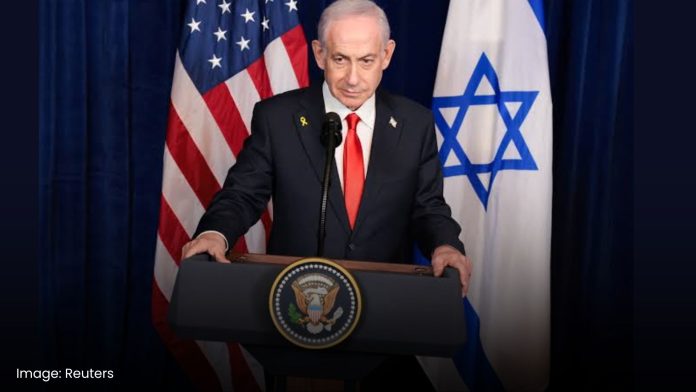
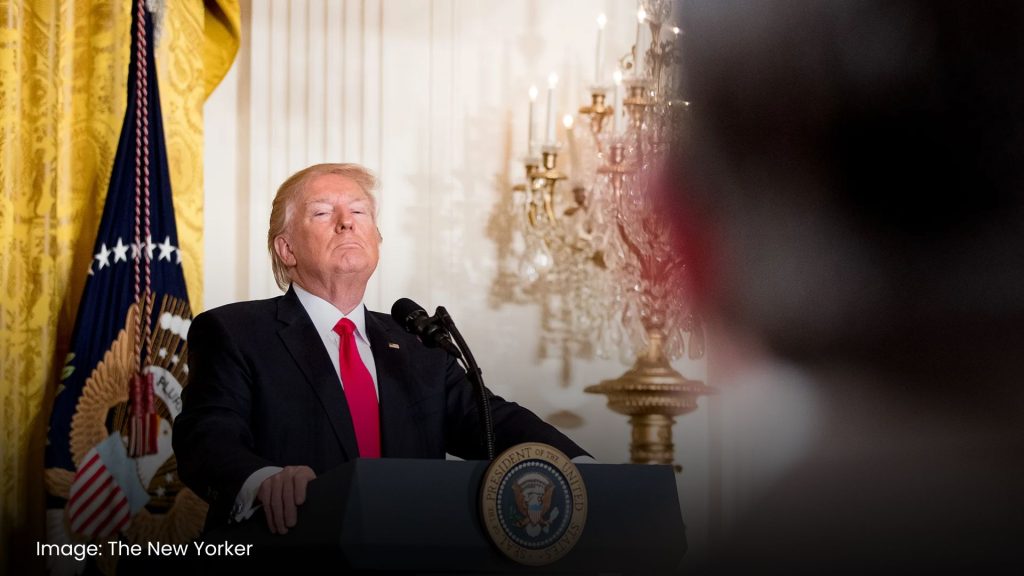
Asked by a reporter what advice he’d give Republican candidates ahead of the midterms, Trump said a friend had suggested he start using the word “jihadist” because, in his words, that’s what’s happening. We have jihadists being elected all over the place, Trump said, adding, whether it’s communism, jihadism. He did not name any specific elected officials. The comment came just days after Egyptian-American physician Abdul El-Sayed won Michigan’s Democratic Senate primary, defeating an opponent backed by the pro-Israel lobbying group AIPAC, a historic win that Trump had already responded to days earlier by attacking El-Sayed as a communist loser who hates Jews and Israel.

The Direct Attack Before the “Jihadist” Comment
Trump’s rhetoric toward El-Sayed had already escalated before this remark. On August 8, Trump posted a side-by-side image on Truth Social comparing himself and First Lady Melania Trump to El-Sayed and his wife, Dr. Sarah Jukaku, captioned Two VERY DIFFERENT America’s. El-Sayed addressed the post directly during a CNN appearance, and the comparison drew immediate accusations of Islamophobia from civil rights advocates and commentators.
Why CAIR Says This Crosses a Line
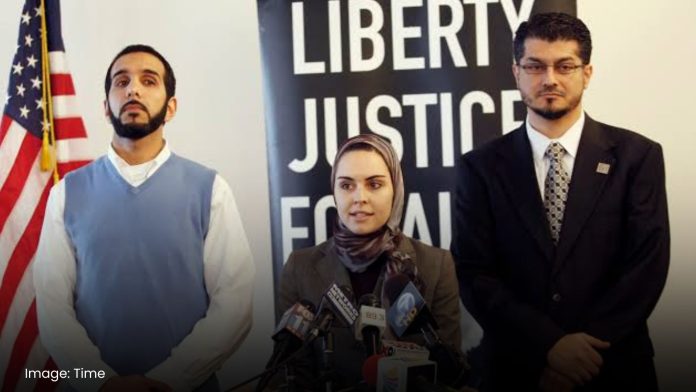
CAIR National Deputy Director Edward Ahmed Mitchell responded directly to the jihadist comment, stating that by describing American Muslim public servants as threats to the nation, President Trump is putting a target on the back of Muslim elected officials across the country. Mitchell was explicit that this isn’t a complaint about hurt feelings, all Americans have the right to engage in public service regardless of race or faith, and language that frames an entire religious community’s political participation as a national security threat carries consequences beyond the news cycle.

The Data Behind CAIR’s Warning
That warning is backed by hard numbers. CAIR’s annual civil rights reports show anti-Muslim complaints have hit a new record for three consecutive years, 8,061 complaints in 2023, up 56 percent from the year before, 8,658 in 2024, and 8,683 in 2025, the highest total in the organization’s nearly 30 year history. CAIR’s 2025 report specifically noted a shift in what’s driving complaints, with employment discrimination becoming the most reported category for the first time, and law enforcement encounters surging 71.5 percent in a single year. Mitchell tied the current spike directly to political rhetoric, saying dangerous language like this is fueling the surge in complaints his organization has documented over the past three years, and that anti-Muslim hate is out of control in large part because of politicians who cannot stand the sight of American Muslims engaging in the political process.
Other Republicans Went Further Than Trump
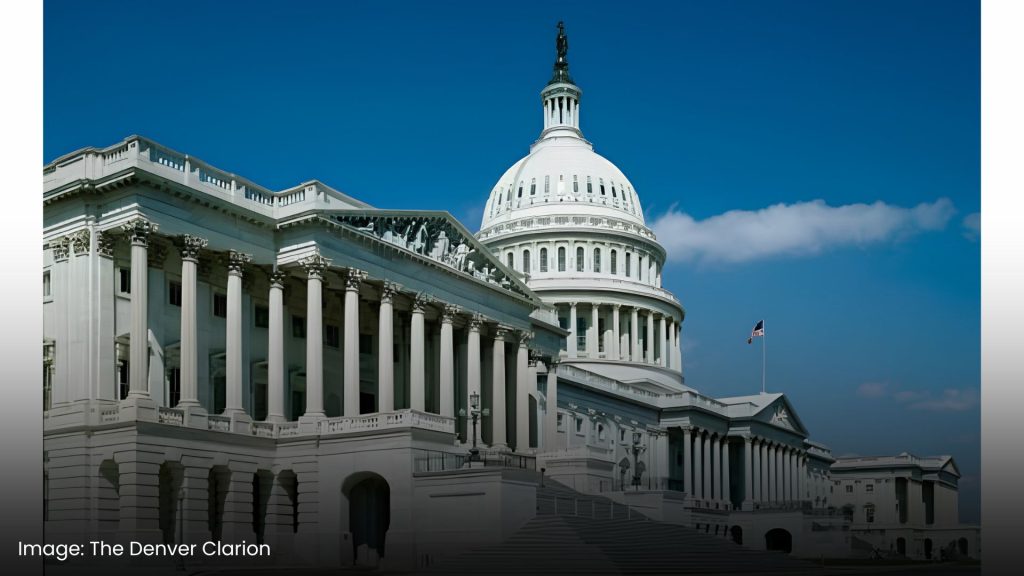
Trump’s comments landed inside a broader wave of similar rhetoric from within his own party following El-Sayed’s win. Alabama Senator Tommy Tuberville wrote on X that Democrats had voted to send a terrorist to the Senate, calling El-Sayed a radical Islamist who will do everything he can to destroy America. South Carolina Representative Nancy Mace went further still, casting suspicion on Muslim officials broadly rather than El-Sayed specifically, stating that every single Muslim holding public office in America is a trojan horse and a threat to both national security and the republic.
Even Some Republicans Pushed Back
The rhetoric didn’t go unchallenged within the GOP itself. Louisiana Senator Bill Cassidy directly condemned his colleagues’ language during an appearance on CBS’s Face the Nation, saying he condemns language like that and that everybody should be treated as an individual, a notable break from members of his own party at a moment when the White House itself was amplifying similar framing.
Why the Distinction Between Words and Danger Matters
CAIR’s position throughout has been that this isn’t simply a debate over uncivil political discourse. By linking specific inflammatory language directly to a documented, multi-year rise in complaints, including a jump in law enforcement encounters, the organization is arguing that rhetoric labeling Muslim officials as security threats functions as more than insult, it becomes, in their framing, an invitation to treat American Muslims in public life as suspects rather than participants in ordinary democratic politics.
Sources:
· Trump putting ‘target’ on Muslim officials with ‘jihadist’ remarks — The New Arab: https://www.newarab.com/news/trumps-jihadist-remarks-put-target-muslim-officials
· Trump accused of Islamophobia over El-Sayed “two Americas” post — The New Arab: https://www.newarab.com/news/trump-accused-islamophobia-over-el-sayed-two-americas-post
· Dr. Abdul El-Sayed Claps Back At Trump’s “Two Americas” Attack — HipHopWired: https://hiphopwired.com/3061665/abdul-el-sayed-claps-back-at-trumps-two-americas-attack/
· CAIR’s 2025 Civil Rights Report Reveals Islamophobia at an All-Time High Nationwide — CAIR California: https://ca.cair.com/press-release/cairs-2025-civil-rights-report-reveals-islamophobia-at-an-all-time-high-nationwide-with-california-leading-in-complaints/