Why Washington Isn’t Actually Worried About Netanyahu’s Rejection Of New Gaza Peace Plan

Netanyahu’s Public Gaza Rejection Isn’t Rattling Washington, and the Reason Is Political Math

Maryam Tariq

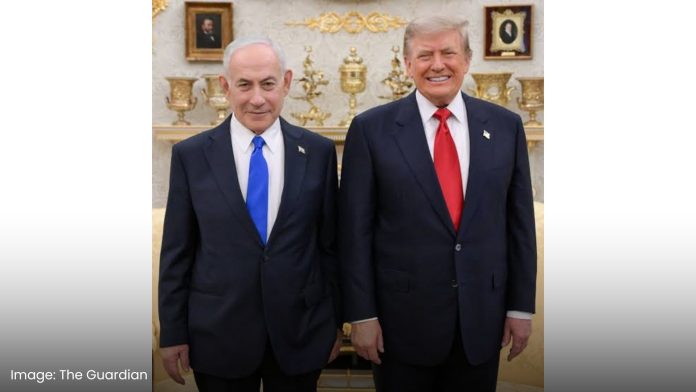
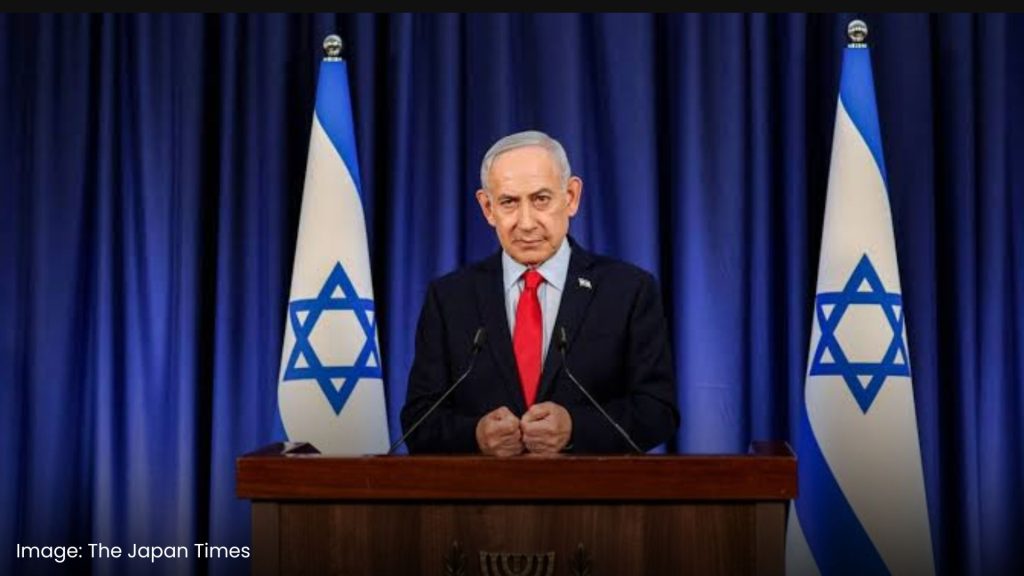
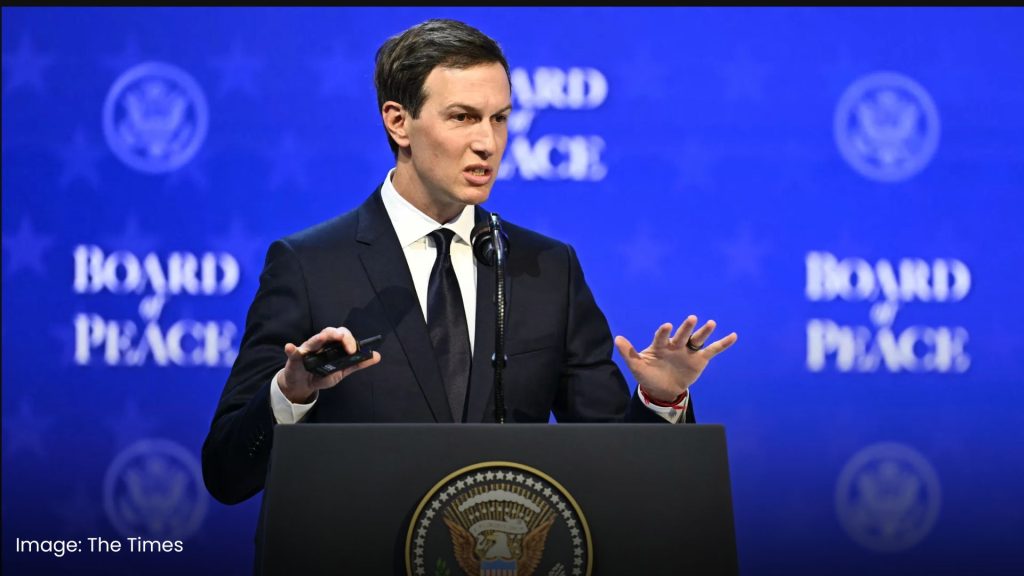
Jared Kushner met with Israeli Prime Minister Benjamin Netanyahu in Jerusalem on Monday, a day after holding a rare, hourslong meeting with Hamas leader Khalil al-Hayya in Cairo, part of a renewed push to salvage a US-backed Gaza peace roadmap that Netanyahu has already publicly rejected. But despite the public friction, sources close to the process describe a notably different mood behind closed doors, one where Washington isn’t especially alarmed by Netanyahu’s rejection at all.
What Netanyahu Actually Rejected

Netanyahu’s opposition centers on a single, specific provision, the sequencing of the 15-point Board of Peace plan, which called for Hamas to gradually disarm while transferring weapons to a Palestinian third party, with Israeli troops withdrawing from Gaza in parallel. Netanyahu rejected that framing outright rather than requesting amendments, stating plainly that when I say Hamas must be disarmed, I mean heavy weapons, lighter weapons, all weapons, adding that Israel is talking about genuine disarmament, not fictitious disarmament. As one analysis of the standoff has noted, that phrase is doing significant work, genuine versus fictitious is not a defined benchmark anywhere in the agreement, it’s a subjective judgment, and it happens to be a judgment reserved entirely for the party that also controls whether its own troops actually leave Gaza.

Kushner’s Unusual Diplomatic Push

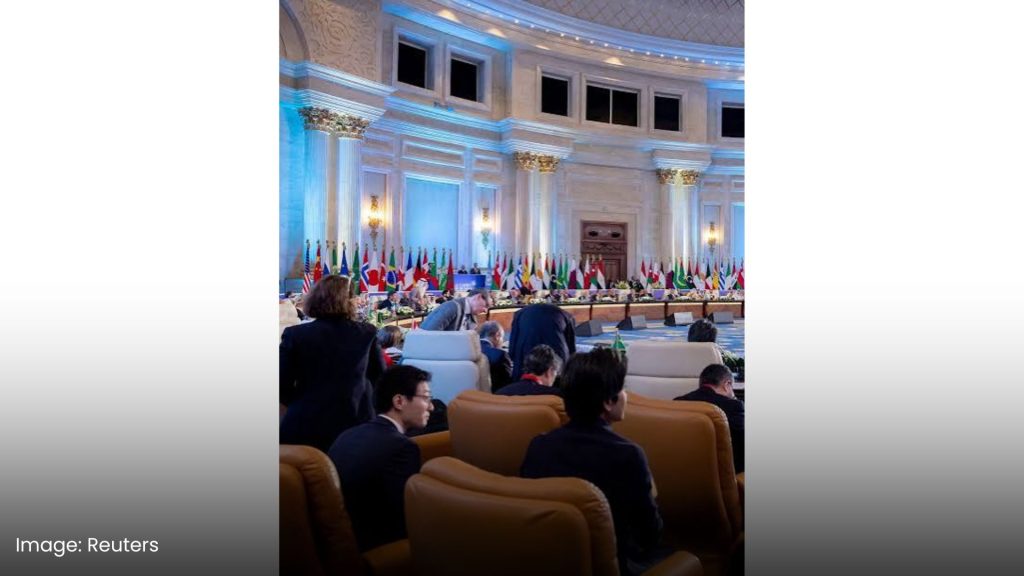
Kushner’s direct meeting with Hamas representatives, only the second known instance of such contact, is itself notable given that Washington still formally designates Hamas a terrorist organization. He was joined in both the Cairo and Jerusalem meetings by Board of Peace director Nickolay Mladenov and former British Prime Minister Tony Blair, an executive board member. According to a Hamas official briefed on the Cairo talks, Hamas leadership demanded Israel halt its attacks and withdraw to the so-called yellow line dividing Gaza before disarmament implementation begins, a boundary that has never been precisely defined in the agreement itself. A Board of Peace official characterized the underlying disagreement as one of sequencing rather than a fundamental split, stating both the board and Israel agree on the end state, a demilitarized Hamas, and that the current effort is about finding ways to accelerate progress toward that shared goal.

Why Netanyahu’s Political Survival Depends on Public Toughness

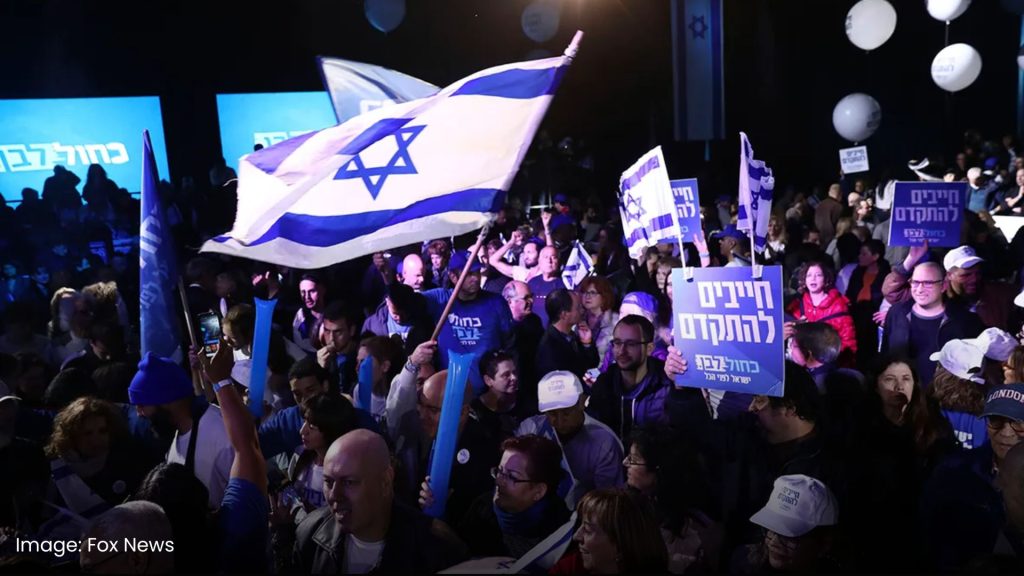
The real driver behind Netanyahu’s public rejection, according to analysts, has less to do with the specific terms of the roadmap and more to do with his position heading into Israel’s general election this October. Netanyahu’s Likud party is currently trailing in national polling, and he faces intense pressure from far-right coalition partners, including his National Security and Finance ministers, who have explicitly threatened to collapse the government if Netanyahu agrees to any territorial withdrawal or steps that could eventually lead toward Palestinian statehood. In this context, publicly rejecting Washington’s plan functions less as a negotiating position and more as a domestic political necessity, a way to shore up support from hardliners in his own coalition ahead of a difficult vote.

Why Washington Isn’t Treating This as a Crisis

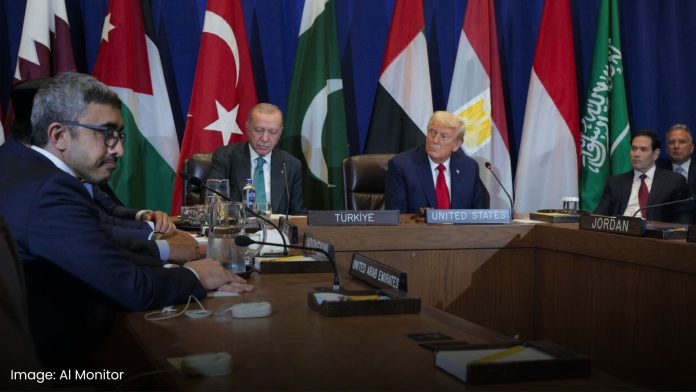
Despite the public friction, White House officials have privately signaled they aren’t especially troubled by Netanyahu’s rejection, viewing his public rhetoric as campaign positioning rather than a genuine break from the underlying agreement, provided Israel continues cooperating with the process behind the scenes. That private tolerance stands in contrast to the tone of Netanyahu’s own public remarks, and to the reaction from regional powers, Saudi Arabia and the UAE issued a joint statement condemning Israel’s rejection of the roadmap even before Kushner’s visit began.

Two Different Political Clocks

What ultimately connects these threads is timing. Netanyahu needs to project strength and resistance to American pressure specifically for an Israeli electorate voting in October. Trump, facing his own midterm elections in November, needs a functioning Gaza settlement partly to help stabilize a region still affecting global oil markets following the broader Iran conflict. Those two clocks, one domestic Israeli politics, one domestic American politics, aren’t necessarily running toward the same deadline, which may explain why a public rejection this direct hasn’t actually derailed the diplomatic process behind it.

What Happens Next

With Kushner, Mladenov and Blair continuing shuttle diplomacy between Jerusalem, Cairo and Hamas intermediaries, the coming weeks will likely test whether Washington’s private patience holds, or whether Netanyahu’s public positioning, however politically necessary at home, eventually becomes difficult to distinguish from an actual veto over the plan’s implementation.

Sources:

·  Kushner meets with Netanyahu after rare Hamas talks over stalled Gaza plan — NBC News: https://www.nbcnews.com/world/gaza/kushner-netanyahu-hamas-talks-gaza-plan-peace-trump-rcna592871

·  Kushner has hourslong meeting with Netanyahu on Gaza a day after talking with Hamas — Associated Press via KSAT: https://www.ksat.com/news/world/2026/08/17/kushner-sits-with-netanyahu-to-talk-gaza-after-2-hour-meeting-with-hamas/

·  Jared Kushner met with Hamas leaders in Egypt to discuss Gaza peace road map — CBS News: https://www.cbsnews.com/news/jared-kushner-hamas-netanyahu-gaza-peace-deal-negotiations/

·  Can Trump’s Gaza Plan Survive Israel Hamas Disagreements — Modern Diplomacy: https://moderndiplomacy.eu/2026/08/17/can-trumps-gaza-plan-survive-israel-hamas-disagreements/

Netanyahu’s Public Gaza Rejection Isn’t Rattling Washington, and the Reason Is Political Math

Maryam Tariq

Jared Kushner met with Israeli Prime Minister Benjamin Netanyahu in Jerusalem on Monday, a day after holding a rare, hourslong meeting with Hamas leader Khalil al-Hayya in Cairo, part of a renewed push to salvage a US-backed Gaza peace roadmap that Netanyahu has already publicly rejected. But despite the public friction, sources close to the process describe a notably different mood behind closed doors, one where Washington isn’t especially alarmed by Netanyahu’s rejection at all.
What Netanyahu Actually Rejected

Netanyahu’s opposition centers on a single, specific provision, the sequencing of the 15-point Board of Peace plan, which called for Hamas to gradually disarm while transferring weapons to a Palestinian third party, with Israeli troops withdrawing from Gaza in parallel. Netanyahu rejected that framing outright rather than requesting amendments, stating plainly that when I say Hamas must be disarmed, I mean heavy weapons, lighter weapons, all weapons, adding that Israel is talking about genuine disarmament, not fictitious disarmament. As one analysis of the standoff has noted, that phrase is doing significant work, genuine versus fictitious is not a defined benchmark anywhere in the agreement, it’s a subjective judgment, and it happens to be a judgment reserved entirely for the party that also controls whether its own troops actually leave Gaza.

Kushner’s Unusual Diplomatic Push

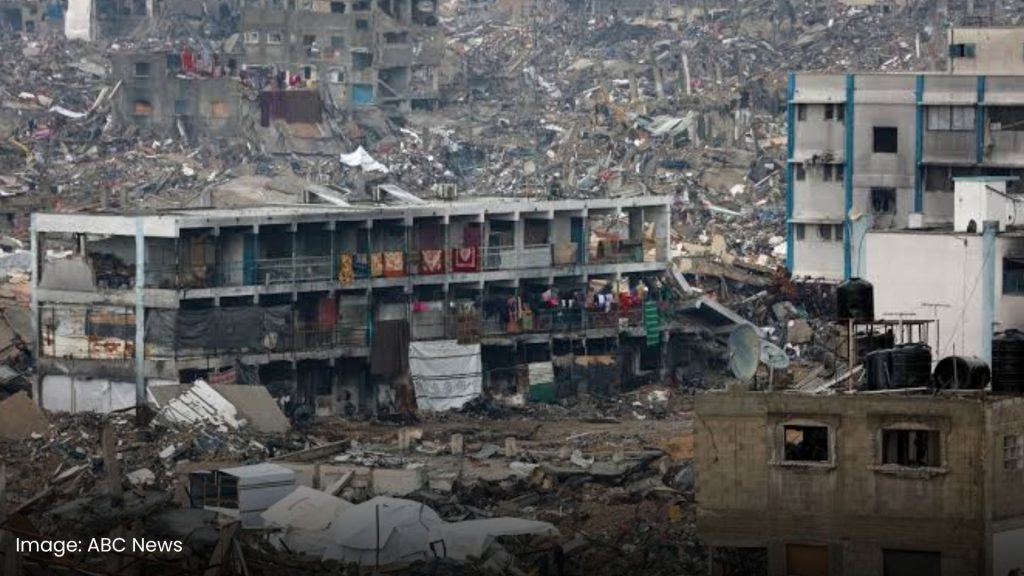
Kushner’s direct meeting with Hamas representatives, only the second known instance of such contact, is itself notable given that Washington still formally designates Hamas a terrorist organization. He was joined in both the Cairo and Jerusalem meetings by Board of Peace director Nickolay Mladenov and former British Prime Minister Tony Blair, an executive board member. According to a Hamas official briefed on the Cairo talks, Hamas leadership demanded Israel halt its attacks and withdraw to the so-called yellow line dividing Gaza before disarmament implementation begins, a boundary that has never been precisely defined in the agreement itself. A Board of Peace official characterized the underlying disagreement as one of sequencing rather than a fundamental split, stating both the board and Israel agree on the end state, a demilitarized Hamas, and that the current effort is about finding ways to accelerate progress toward that shared goal.
Why Netanyahu’s Political Survival Depends on Public Toughness

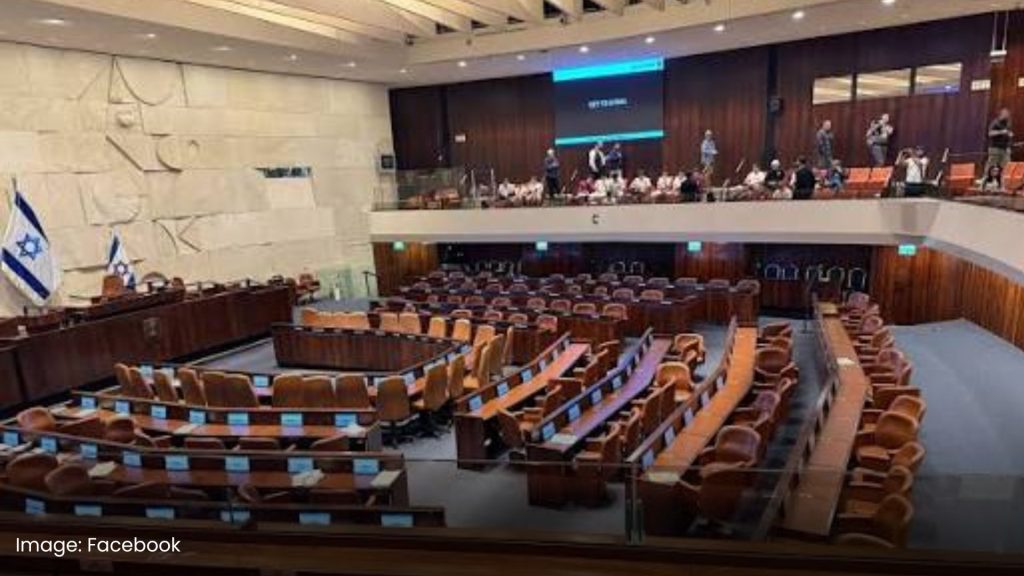
The real driver behind Netanyahu’s public rejection, according to analysts, has less to do with the specific terms of the roadmap and more to do with his position heading into Israel’s general election this October. Netanyahu’s Likud party is currently trailing in national polling, and he faces intense pressure from far-right coalition partners, including his National Security and Finance ministers, who have explicitly threatened to collapse the government if Netanyahu agrees to any territorial withdrawal or steps that could eventually lead toward Palestinian statehood. In this context, publicly rejecting Washington’s plan functions less as a negotiating position and more as a domestic political necessity, a way to shore up support from hardliners in his own coalition ahead of a difficult vote.

Why Washington Isn’t Treating This as a Crisis

Despite the public friction, White House officials have privately signaled they aren’t especially troubled by Netanyahu’s rejection, viewing his public rhetoric as campaign positioning rather than a genuine break from the underlying agreement, provided Israel continues cooperating with the process behind the scenes. That private tolerance stands in contrast to the tone of Netanyahu’s own public remarks, and to the reaction from regional powers, Saudi Arabia and the UAE issued a joint statement condemning Israel’s rejection of the roadmap even before Kushner’s visit began.
Two Different Political Clocks

What ultimately connects these threads is timing. Netanyahu needs to project strength and resistance to American pressure specifically for an Israeli electorate voting in October. Trump, facing his own midterm elections in November, needs a functioning Gaza settlement partly to help stabilize a region still affecting global oil markets following the broader Iran conflict. Those two clocks, one domestic Israeli politics, one domestic American politics, aren’t necessarily running toward the same deadline, which may explain why a public rejection this direct hasn’t actually derailed the diplomatic process behind it.

What Happens Next

With Kushner, Mladenov and Blair continuing shuttle diplomacy between Jerusalem, Cairo and Hamas intermediaries, the coming weeks will likely test whether Washington’s private patience holds, or whether Netanyahu’s public positioning, however politically necessary at home, eventually becomes difficult to distinguish from an actual veto over the plan’s implementation.

Sources:

·  Kushner meets with Netanyahu after rare Hamas talks over stalled Gaza plan — NBC News: https://www.nbcnews.com/world/gaza/kushner-netanyahu-hamas-talks-gaza-plan-peace-trump-rcna592871

·  Kushner has hourslong meeting with Netanyahu on Gaza a day after talking with Hamas — Associated Press via KSAT: https://www.ksat.com/news/world/2026/08/17/kushner-sits-with-netanyahu-to-talk-gaza-after-2-hour-meeting-with-hamas/

·  Jared Kushner met with Hamas leaders in Egypt to discuss Gaza peace road map — CBS News: https://www.cbsnews.com/news/jared-kushner-hamas-netanyahu-gaza-peace-deal-negotiations/

·  Can Trump’s Gaza Plan Survive Israel Hamas Disagreements — Modern Diplomacy: https://moderndiplomacy.eu/2026/08/17/can-trumps-gaza-plan-survive-israel-hamas-disagreements/
spot_img

Explore more

spot_img
Global Affairs

Chinese Nationals Smuggled Human Tissue Out of Pakistani Hospitals to Sell...

History Is Repeating. A Cold War Soviet Playbook Is Running Across...

Germany’s Power Grid Attacks Fit a Pattern Tied to Ukraine Support

Is the US-Venezuela Oil Deal Really About Gas Prices, or a...

How Ratko Mladic Personally Ignited and Directed the Bosnian Genocide

Kuwait’s New Pact With Pakistan Could Reshape Gulf Alliances, and It’s...

Political Scapegoating: Why Islamophobia Spikes Every Election Cycle

China Calls New US Sanctions on Iran “Illegal,” Answering the Question...