Sudanese Refugees In Chad Are Now Crossing At 400 A Day

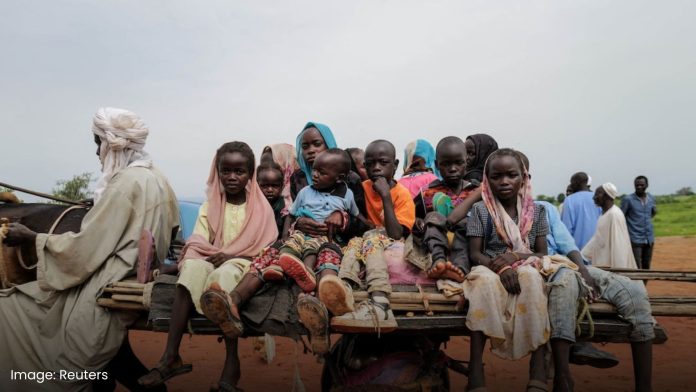
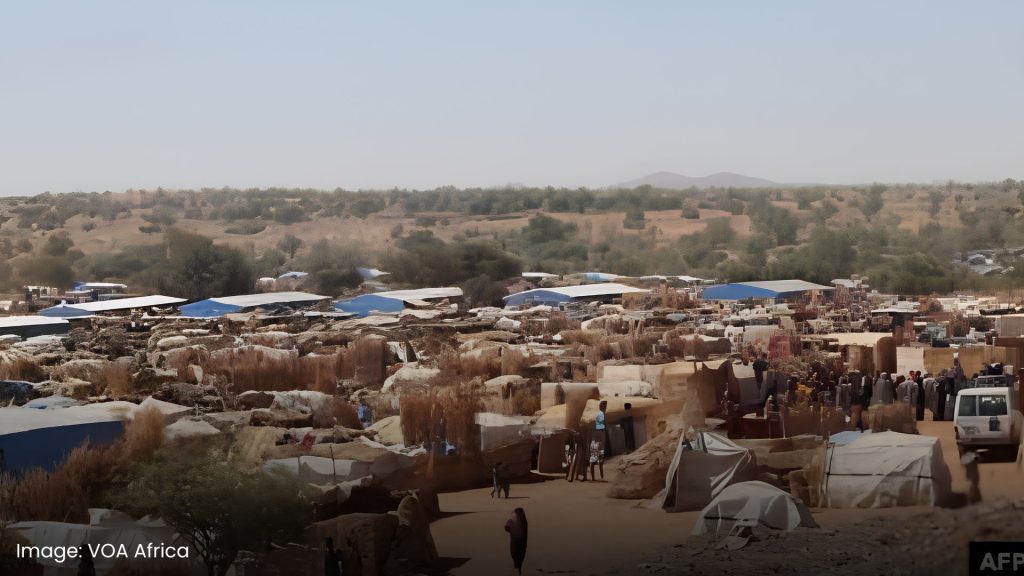
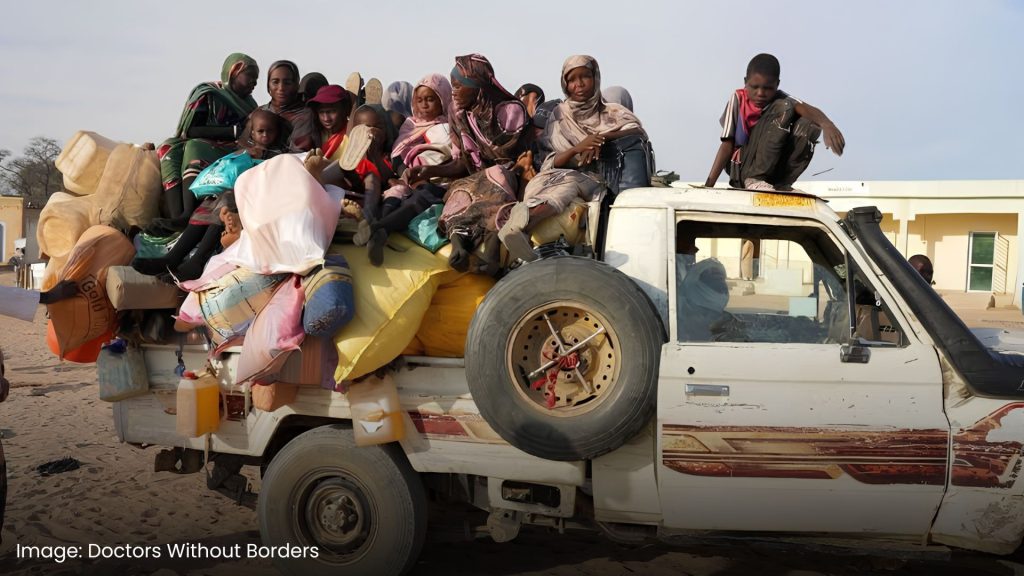
The new surge of Sudanese refugees into eastern Chad is not a slow-moving emergency any more. UNHCR says more than 400 people a day are now crossing at Adré and Tiné, roughly twenty times the daily rate recorded over the previous months. More than 55,000 have arrived in 2026 alone, and nearly a million have crossed into Chad since the war began in April 2023. Chad has kept its border open the whole time. The problem sits behind that border. The regional response built to receive these families needs $1.6 billion and has received only 18 percent of it, leaving a gap of roughly $1.3 billion.
Why Eastern Chad Is Seeing A New Wave Of Sudan Refugees

Two forces are pushing people out at once. The first is violence. After El Fasher fell in late October 2025 following an eighteen-month siege, the UN human rights office documented more than 6,000 people killed in about three days. In February, the UN Fact-Finding Mission on Sudan found at least three underlying acts of genocide in the city and named the Zaghawa and Fur communities as the targets. The second force is hunger. WFP’s Carl Skau put the drought in one sentence: “Darfur hasn’t been this dry since 1984.” Families are not weighing up whether to leave. Staying has simply stopped working.

One In Five Pregnant Women In Eastern Chad Is Malnourished

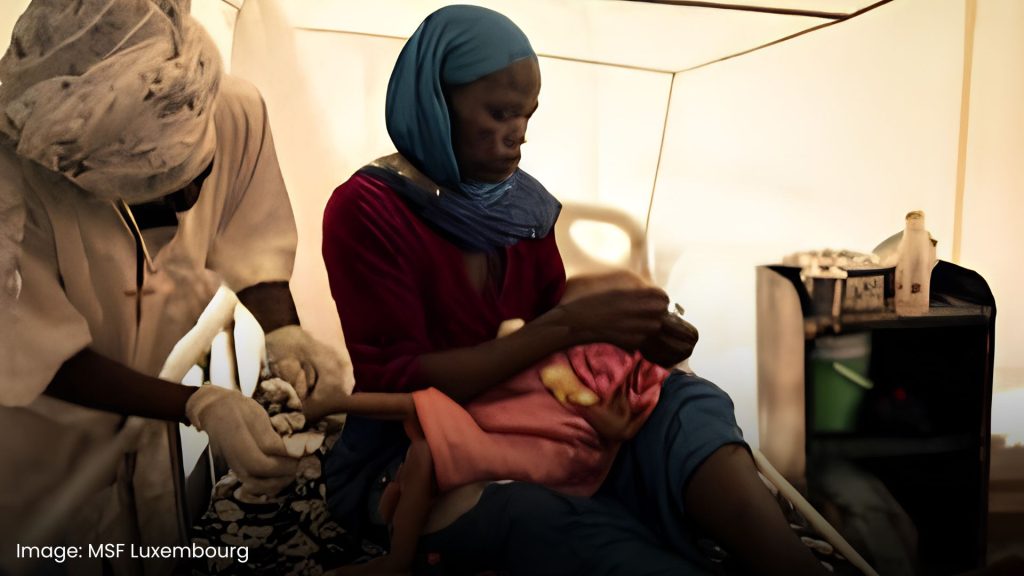
The most disturbing number in this story is not at the border. Médecins Sans Frontières screened 5,785 pregnant and breastfeeding women across Adré, Metché, Arkoum and Allacha in the first half of 2026 and found 21.2 percent were acutely malnourished. The emergency threshold is 15 percent. Of those women, 937 were moderately malnourished and 288 severely. Children are on the same curve. Paediatric admissions at Metché rose from 382 to 670 in a year, a 75 percent jump, and admissions at the Adré health centre climbed 30 percent. Léa Ledru, MSF’s project coordinator in Adré, said refugees “arrive in Adré physically shattered”, landing in areas where the host communities are already poor.
The Sudan Refugee Funding Shortfall Is Visible In Every Ration

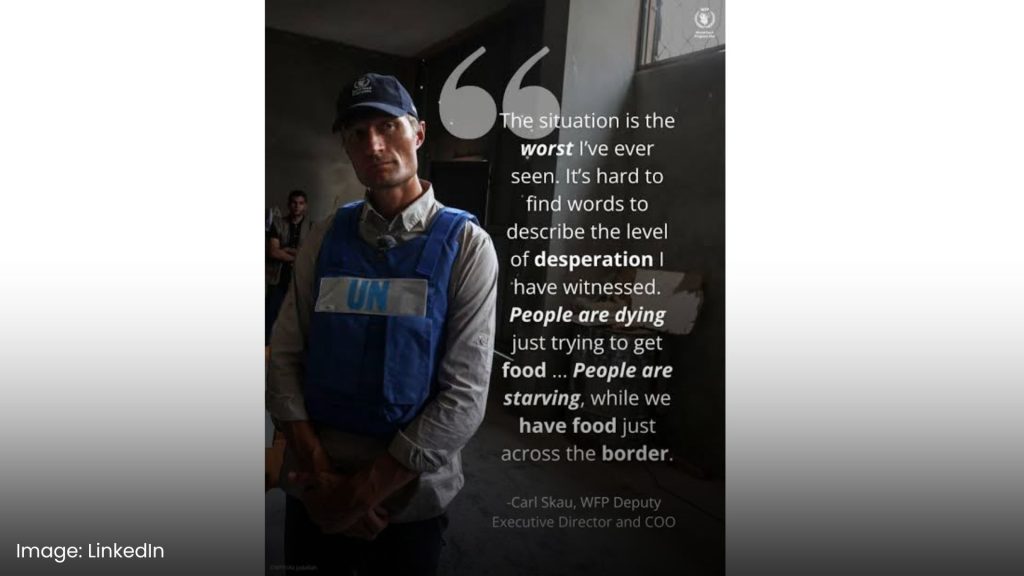
You can see the shortfall in what a family actually receives. Therapeutic food for a malnourished child has been cut from the fourteen packets a week clinicians say are needed to ten. WFP cash transfers arrive every two months and cover only 30 days out of every 60. Skau’s verdict on the remaining fortnight was blunt: “It’s not clear how they really are surviving the other two weeks.” WFP funding for Sudan has fallen from $645 million last year to $206 million this year, a drop of about 68 percent. UNHCR says it can provide basic assistance to only four in every ten refugees in Chad.

Chad Is Hosting 1.3 Million Refugees On A Collapsing Budget

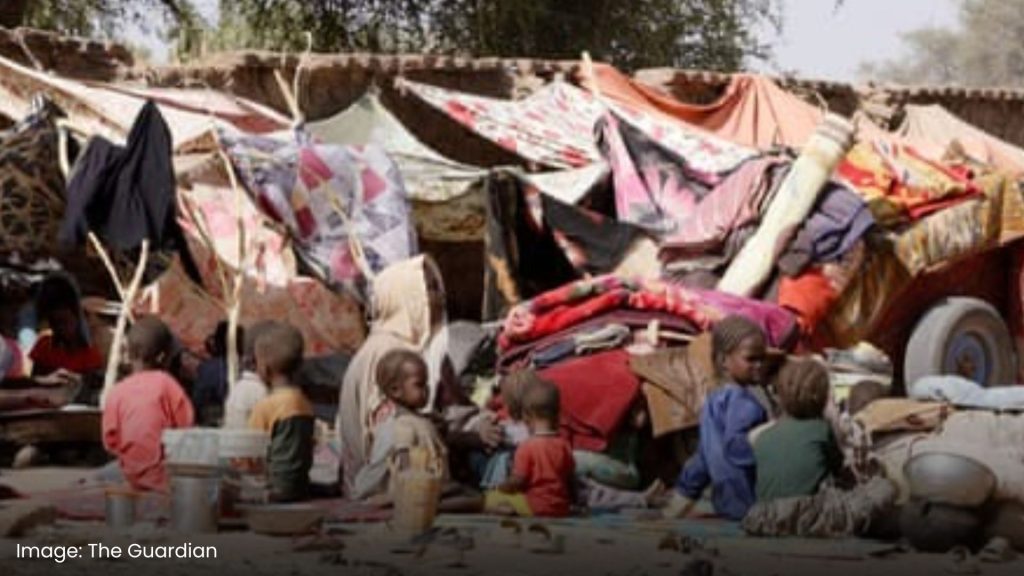
Chad now hosts about 1.3 million Sudanese refugees. Nationally, one in thirteen people in the country is a refugee. In the east, it is closer to one in three. Around 31,000 families still lack adequate shelter, and more than 190,000 people remain in border areas because there is no money to move them to better-supplied sites. Most survive on less than half the minimum daily water requirement. Patrice Ahouansou, UNHCR’s representative in Chad, put it plainly: “What we are seeing in eastern Chad is the human cost of funding shortfalls.”

Why The Sudan Refugee Crisis Will Not Stay At Chad’s Border

Unmet need does not sit still. UNHCR has warned that refugees held in prolonged insecurity eventually move again, and the numbers already show it. 14,104 Sudanese reached Europe by sea last year, a 245 percent rise on the year before. Mamadou Dian Balde, the UN’s regional refugee coordinator for Sudan, summed up the whole failure in a single line. “Humanitarian support is not keeping pace with needs.” Chad did the hard part and kept the gate open. What it was promised in return never arrived.
By Shizza Umer

Sources

UNHCR   |   Al Jazeera   |   UN News   |   NPR   |   Médecins Sans Frontières   |   World Food Programme   |   Arab News   |   Africanews

The new surge of Sudanese refugees into eastern Chad is not a slow-moving emergency any more. UNHCR says more than 400 people a day are now crossing at Adré and Tiné, roughly twenty times the daily rate recorded over the previous months. More than 55,000 have arrived in 2026 alone, and nearly a million have crossed into Chad since the war began in April 2023. Chad has kept its border open the whole time. The problem sits behind that border. The regional response built to receive these families needs $1.6 billion and has received only 18 percent of it, leaving a gap of roughly $1.3 billion.

Why Eastern Chad Is Seeing A New Wave Of Sudan Refugees

Two forces are pushing people out at once. The first is violence. After El Fasher fell in late October 2025 following an eighteen-month siege, the UN human rights office documented more than 6,000 people killed in about three days. In February, the UN Fact-Finding Mission on Sudan found at least three underlying acts of genocide in the city and named the Zaghawa and Fur communities as the targets. The second force is hunger. WFP’s Carl Skau put the drought in one sentence: “Darfur hasn’t been this dry since 1984.” Families are not weighing up whether to leave. Staying has simply stopped working.

One In Five Pregnant Women In Eastern Chad Is Malnourished

The most disturbing number in this story is not at the border. Médecins Sans Frontières screened 5,785 pregnant and breastfeeding women across Adré, Metché, Arkoum and Allacha in the first half of 2026 and found 21.2 percent were acutely malnourished. The emergency threshold is 15 percent. Of those women, 937 were moderately malnourished and 288 severely. Children are on the same curve. Paediatric admissions at Metché rose from 382 to 670 in a year, a 75 percent jump, and admissions at the Adré health centre climbed 30 percent. Léa Ledru, MSF’s project coordinator in Adré, said refugees “arrive in Adré physically shattered”, landing in areas where the host communities are already poor.

The Sudan Refugee Funding Shortfall Is Visible In Every Ration

You can see the shortfall in what a family actually receives. Therapeutic food for a malnourished child has been cut from the fourteen packets a week clinicians say are needed to ten. WFP cash transfers arrive every two months and cover only 30 days out of every 60. Skau’s verdict on the remaining fortnight was blunt: “It’s not clear how they really are surviving the other two weeks.” WFP funding for Sudan has fallen from $645 million last year to $206 million this year, a drop of about 68 percent. UNHCR says it can provide basic assistance to only four in every ten refugees in Chad.

Chad Is Hosting 1.3 Million Refugees On A Collapsing Budget

Chad now hosts about 1.3 million Sudanese refugees. Nationally, one in thirteen people in the country is a refugee. In the east, it is closer to one in three. Around 31,000 families still lack adequate shelter, and more than 190,000 people remain in border areas because there is no money to move them to better-supplied sites. Most survive on less than half the minimum daily water requirement. Patrice Ahouansou, UNHCR’s representative in Chad, put it plainly: “What we are seeing in eastern Chad is the human cost of funding shortfalls.”

Why The Sudan Refugee Crisis Will Not Stay At Chad’s Border

Unmet need does not sit still. UNHCR has warned that refugees held in prolonged insecurity eventually move again, and the numbers already show it. 14,104 Sudanese reached Europe by sea last year, a 245 percent rise on the year before. Mamadou Dian Balde, the UN’s regional refugee coordinator for Sudan, summed up the whole failure in a single line. “Humanitarian support is not keeping pace with needs.” Chad did the hard part and kept the gate open. What it was promised in return never arrived.

By Shizza Umer

Sources

UNHCR   |   Al Jazeera   |   UN News   |   NPR   |   Médecins Sans Frontières   |   World Food Programme   |   Arab News   |   Africanews
spot_img

Explore more

spot_img
Global Affairs

Is The Way Being Cleared For Netanyahu To Win Israel’s Election?

451,000 EXTRA DE.THS. BEFORE FEBRUARY.

They Offered To Show Their Faces. Police Used F.rce Instead.

Stoned For Riding A Bike. Now She Has Asian Games Silver.

Iran To America: Back Off And Hormuz Reopens In 7 Days.

The UAE Files: Gold. W.rs. Spies. And One Disturbing Pattern.

Yemen Just Became Everyone’s Problem

Isr.el’s W.r on G.za’s Children: K.lled, Starved, Orphaned and Scarred