Iran Shifts Imports From UAE to Pakistan

Iran–Pakistan Transit Corridor and the Shift Away from UAE Routes

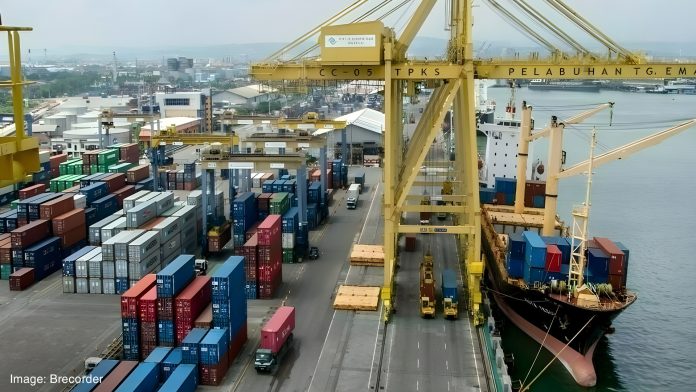
Iran’s trade logistics are undergoing a structural change as Tehran increasingly depends on Pakistan’s port and road network instead of UAE maritime hubs. According to Iranian state-linked reporting, including Fars News Agency, a significant portion of imports previously routed through UAE ports is being redirected toward Pakistan. This includes access through Karachi Port, Port Qasim, and Gwadar Port, connected to Iran via Taftan and Gabd border crossings in Balochistan.

This shift comes amid growing instability in maritime trade routes and increased pressure in the Strait of Hormuz, which has disrupted traditional Gulf shipping lanes.

Pakistan Transit Routes and Infrastructure Expansion

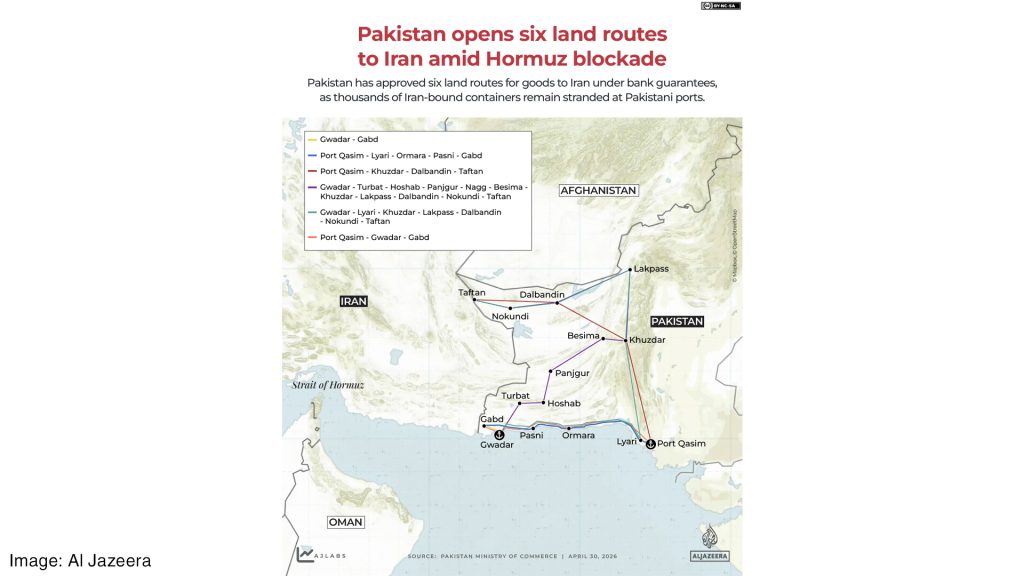
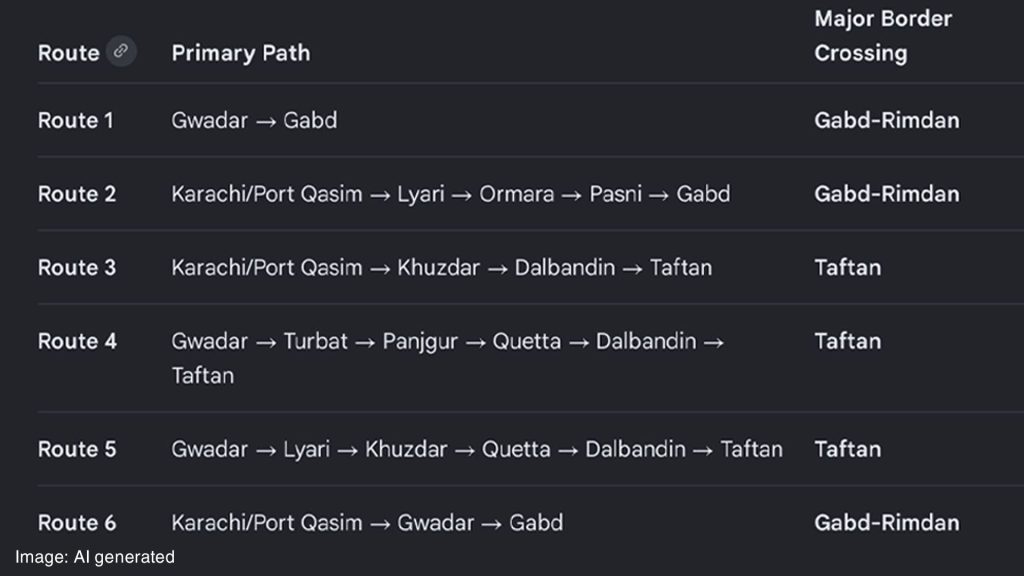
Pakistan has formalized transit arrangements allowing third country goods to pass through its territory toward Iran under new commerce directives. The system activates six major logistics corridors linking southern ports with Iran’s border infrastructure.

Key routes include Gwadar to Gabd, Karachi to Taftan via inland highways, and Port Qasim connections through Balochistan’s transport network. These corridors reduce transport time and costs compared to UAE based maritime routes and strengthen Pakistan’s position as a regional logistics hub.
UAE Trade Decline and Strategic Realignment

Historically, Iran relied heavily on UAE’s Jebel Ali Port for imports and transshipment. However, geopolitical pressure, sanctions constraints, and maritime insecurity have reduced the reliability of this route.

Pakistan now emerges as an alternative land and sea bridge, effectively replacing a portion of UAE linked logistics and creating a new westbound trade axis through Balochistan.

Geopolitical Impact and Sanctions Pressure

The Pakistan Iran corridor strengthens regional connectivity but also increases geopolitical sensitivity. As Iran diversifies away from Gulf routes, Pakistan becomes more exposed to potential diplomatic pressure from Western powers concerned about sanction evasion and military logistics overlap.

At the same time, the corridor aligns with broader regional frameworks linked to China Pakistan Economic Corridor infrastructure, potentially integrating South Asia, Iran, and Central Asia into a continuous trade network.
Economic Impact on Pakistan

For Pakistan, the shift carries both opportunity and risk.

On the positive side, it positions Pakistan as a critical transit state, generating revenue through port operations, customs, logistics, and transport services. Gwadar and Karachi could gain increased strategic relevance, while Balochistan becomes central to regional trade connectivity.

However, challenges include infrastructure limitations, security risks in transit regions, and potential exposure to secondary sanctions. The success of this corridor depends on stability in border regions and sustained diplomatic balancing between competing global powers.

Strategic Outlook

The Iran Pakistan trade corridor represents a broader transformation in regional logistics driven by conflict, sanctions, and shifting alliances. It reduces dependence on UAE maritime routes while increasing Pakistan’s strategic importance in West Asia.

If sustained, this shift could redefine South Asian trade geography, turning Pakistan into a central gateway between the Middle East, Central Asia, and beyond.

Sources: Fars News Agency | WANA News Agency | Al Jazeera | Reuters | The Washington Post |Associated Press


Iran–Pakistan Transit Corridor and the Shift Away from UAE Routes

Iran’s trade logistics are undergoing a structural change as Tehran increasingly depends on Pakistan’s port and road network instead of UAE maritime hubs. According to Iranian state-linked reporting, including Fars News Agency, a significant portion of imports previously routed through UAE ports is being redirected toward Pakistan. This includes access through Karachi Port, Port Qasim, and Gwadar Port, connected to Iran via Taftan and Gabd border crossings in Balochistan.

This shift comes amid growing instability in maritime trade routes and increased pressure in the Strait of Hormuz, which has disrupted traditional Gulf shipping lanes.

Pakistan Transit Routes and Infrastructure Expansion

Pakistan has formalized transit arrangements allowing third country goods to pass through its territory toward Iran under new commerce directives. The system activates six major logistics corridors linking southern ports with Iran’s border infrastructure.

Key routes include Gwadar to Gabd, Karachi to Taftan via inland highways, and Port Qasim connections through Balochistan’s transport network. These corridors reduce transport time and costs compared to UAE based maritime routes and strengthen Pakistan’s position as a regional logistics hub.

UAE Trade Decline and Strategic Realignment

Historically, Iran relied heavily on UAE’s Jebel Ali Port for imports and transshipment. However, geopolitical pressure, sanctions constraints, and maritime insecurity have reduced the reliability of this route.

Pakistan now emerges as an alternative land and sea bridge, effectively replacing a portion of UAE linked logistics and creating a new westbound trade axis through Balochistan.

Geopolitical Impact and Sanctions Pressure

The Pakistan Iran corridor strengthens regional connectivity but also increases geopolitical sensitivity. As Iran diversifies away from Gulf routes, Pakistan becomes more exposed to potential diplomatic pressure from Western powers concerned about sanction evasion and military logistics overlap.

At the same time, the corridor aligns with broader regional frameworks linked to China Pakistan Economic Corridor infrastructure, potentially integrating South Asia, Iran, and Central Asia into a continuous trade network.

Economic Impact on Pakistan

For Pakistan, the shift carries both opportunity and risk.

On the positive side, it positions Pakistan as a critical transit state, generating revenue through port operations, customs, logistics, and transport services. Gwadar and Karachi could gain increased strategic relevance, while Balochistan becomes central to regional trade connectivity.

However, challenges include infrastructure limitations, security risks in transit regions, and potential exposure to secondary sanctions. The success of this corridor depends on stability in border regions and sustained diplomatic balancing between competing global powers.

Strategic Outlook

The Iran Pakistan trade corridor represents a broader transformation in regional logistics driven by conflict, sanctions, and shifting alliances. It reduces dependence on UAE maritime routes while increasing Pakistan’s strategic importance in West Asia.

If sustained, this shift could redefine South Asian trade geography, turning Pakistan into a central gateway between the Middle East, Central Asia, and beyond.

Sources: Fars News Agency | WANA News Agency | Al Jazeera | Reuters | The Washington Post |Associated Press
spot_img

Explore more

spot_img
Global Affairs

Mossad Assassination Plot Against Pakistan Army Chief? Is This Viral Claim

Israel Faces Rare US Warning as Trump Administration Pushes Iran Deal...

Trump Called the Iran War a Win. Here Is What the...

Al Jazeera Cameraman Killed in Gaza Strike as Press Safety Concerns

US Italy diplomatic tensions

Natasha Doll Trend

US Iran diplomacy handshake