The Mother Who Refused Her Son’s Funeral Prayer
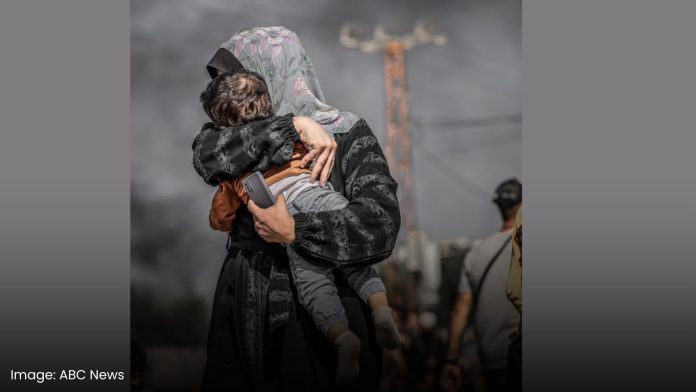
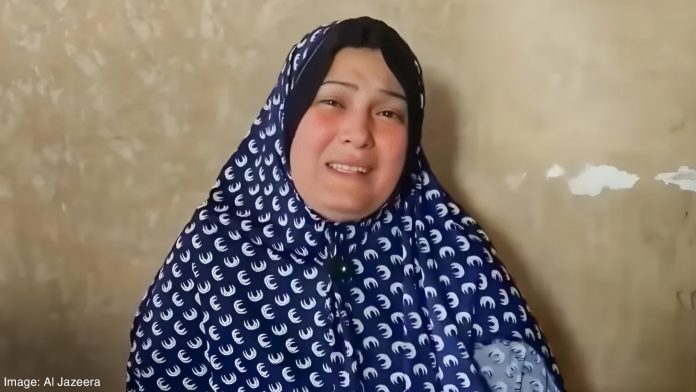
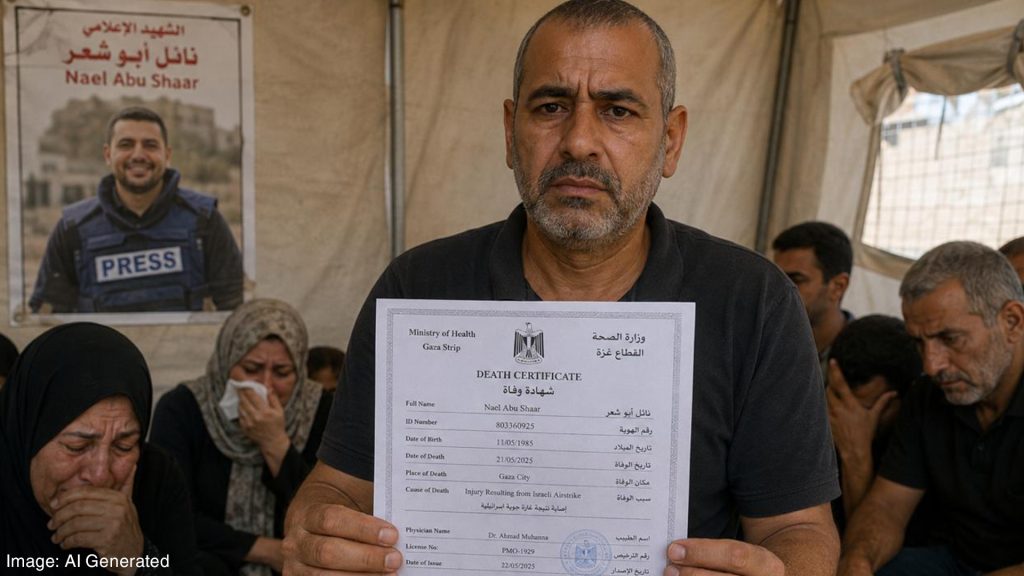
For 18 months, the Abu Shaar family believed their son Eid was dead. His father, Nael Abu Shaar, spent months moving between Gaza’s hospitals and morgues searching for answers. He later described running to hospitals whenever unidentified bodies arrived and opening morgue refrigerators himself hoping to find his missing son. Eventually, Gaza’s Ministry of Health issued a death certificate declaring Eid dead. The family held mourning rituals. But his mother, Maha Abu Shaar, refused to fully accept it. She would not pray the absentee funeral prayer for her son. She believed he was still alive somewhere. That refusal became the emotional centre of everything that followed.
The Stranger Who Changed Everything
Months passed with no answers. Then came a fragment of hope from the most unlikely source. A released Palestinian detainee told the family he had encountered a man named Eid Abu Shaar inside prison. That single testimony from a stranger who had walked out of detention was the first sign in eighteen months that Eid might still be alive. A lawyer subsequently confirmed it officially. Eid Abu Shaar was alive and being held inside Isræl’s Ofer Prison. The family, who had spent a year and a half mourning him, received the news in a single phone call.
Joy And Fear At The Same Time
After hearing the news, the Abu Shaar family distributed sweets to neighbours in Gaza to celebrate. But the joy arrived already mixed with terror. Maha Abu Shaar said her first thought after learning her son was alive was fear for what he may be enduring inside. B’Tselem, the Isræli human rights organisation, has described Ofer Prison as a torture camp. Palestinian rights groups documenting conditions inside the facility describe torture as a core experience for Gaza prisoners, with detainees forced to shout phrases in Hebrew and punished for refusal, denied healthcare, subjected to degrading positions, and held in cold conditions without adequate clothing or blankets. At least 98 Palestinians have died in Isræli custody since October 2023, according to Physicians for Human Rights Isræl. Eid is alive. His family now waits and worries.
Where Eid Disappeared Matters
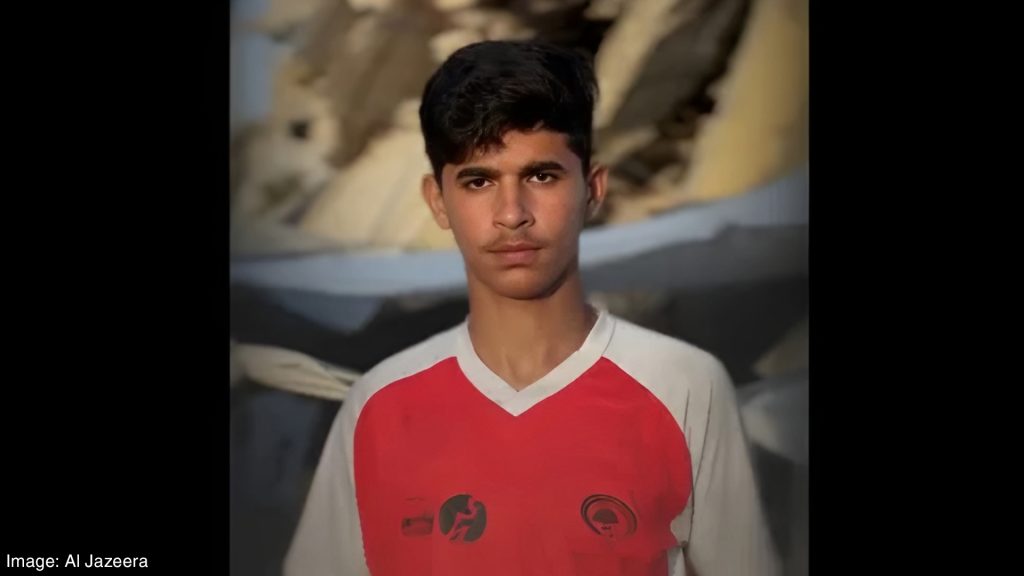
Eid Abu Shaar vanished on December 15, 2024, near Gaza’s Netzarim Corridor, known among Palestinians as the Axis of Death. Isræl carved this corridor through the centre of Gaza separating the north from the south. At its peak it was seven kilometres wide, designated by the military as a kill zone where any Palestinian who entered was shot on sight. A Haaretz investigation based on testimonies from active-duty soldiers, officers and reservists described the corridor as a zone where commanders permitted and in some cases instructed soldiers to shoot any Palestinian who approached, including children and the elderly. Soldiers told the newspaper that units competed with each other to record the highest kill counts, and that civilian deaths were retroactively classified as slain militants. Eid Abu Shaar was not a militant. He was looking for work.
Three Thousand Six Hundred Families Still Waiting
Eid’s story is not exceptional. It is one of thousands. As of May 2026, Isræl holds 8,101 security inmates according to its own Prison Service data. Approximately 50 percent are held without charges, either under administrative detention or under Isræl’s Unlawful Combatants Law, which allows indefinite detention without trial. A further 3,600 Palestinians are classified as forcibly disappeared, people believed to be in Isræli custody whose whereabouts and status remain entirely unknown to their families. Since October 2023, Isræl has suspended ICRC access to Palestinian detainees, making independent confirmation of cases like Eid’s almost impossible through official channels. Families learn their relatives are alive the same way the Abu Shaars did: through strangers who walk out of prison and carry the news home.
What The Story Actually Is
For the Abu Shaar family, the emotional reality is almost impossible to hold in a single feeling. They mourned a son for eighteen months. They celebrated when they learned he was alive. And they now sit with the fear of where he is and what is happening to him inside a facility that human rights organisations describe as a system of abuse. Maha Abu Shaar was right not to pray. Thousands of other families in Gaza are still waiting to find out if they should.
Sources: Al Jazeera, Haaretz, B’Tselem, Physicians for Human Rights Israel, Amnesty International, Human Rights Watch, HaMoked, Palestinian Prisoners Society
Hashtags: #Gaza #Palestine #FreePalestine #GazaPrisoners #EnforcedDisappearance #HumanRights #MiddleEast #IsraelPalestine #WarCrimes #Verum