A Sensitive Moment In AJK
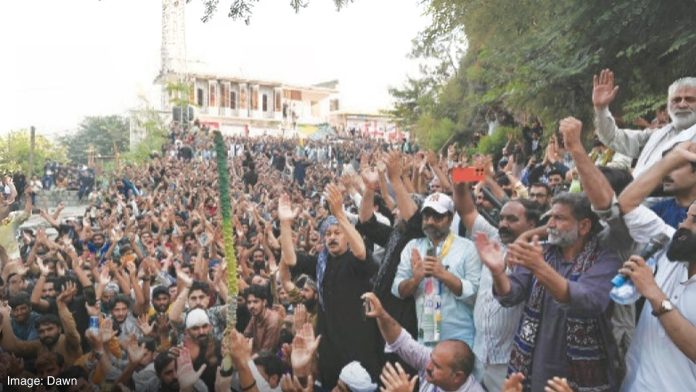
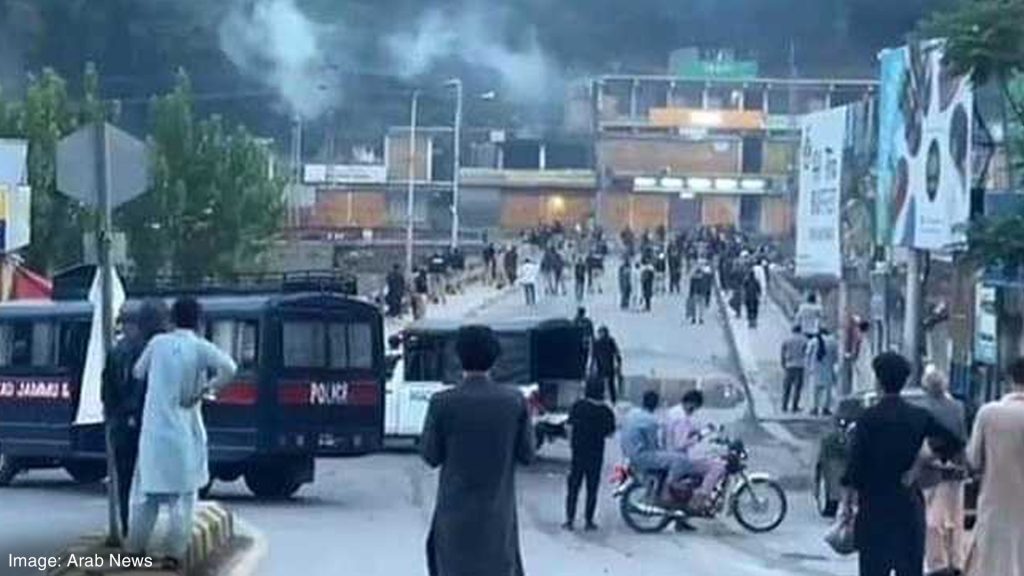
Azad Jammu and Kashmir is facing one of its most sensitive political moments in recent months. A long-running dispute over rights, governance and representation has moved to the centre of public attention, following unrest in Rawalakot ahead of a planned June 9 rally by the Joint Awami Action Committee, or JAAC, a civil society alliance that had been pressing several economic and political demands before being proscribed by the regional government over public-order and security concerns.
The Dispute Over 12 Refugee Seats
At the centre of the political dispute are 12 seats in the AJK Legislative Assembly reserved for Kashmiri refugees who settled in Pakistan after 1947. The Supreme Court of Azad Jammu and Kashmir ruled these seats are constitutionally protected and cannot be abolished without a constitutional amendment. The court’s ruling also cleared the way for the election process to continue, reinforcing the position that constitutional questions must be resolved through the proper legal and legislative process.
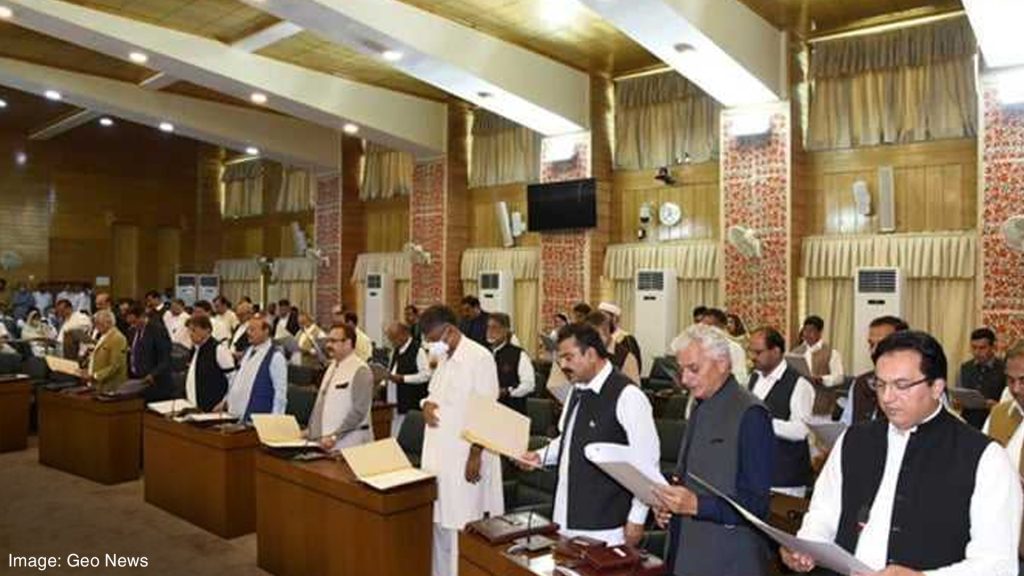
For JAAC and its supporters, the refugee seats have become a symbol of wider concerns about representation and political influence in AJK. For the authorities, the court ruling means the matter cannot be changed through street pressure or executive action alone. That is why this moment is so delicate. It combines public frustration, constitutional limits, public order concerns and an approaching election cycle, with AJK’s legislative elections scheduled for July 27.
Calls For Dialogue
There has been a clear effort to bring the situation back toward dialogue. AJK Prime Minister Faisal Mumtaz Rathore invited those with grievances to resume talks, while officials continued to stress that unresolved issues should be addressed through constitutional and political channels.
That message matters because the situation cannot be reduced to one side or one slogan. AJK needs calm, verified facts, responsible leadership and a path back to talks. The public has a right to clarity, and institutions need space to handle constitutional questions without further escalation.
The UK Diaspora Dimension
The crisis has also moved beyond AJK’s borders. More than 50 members of the British Parliament wrote to UK Foreign Secretary Yvette Cooper expressing concern over reports of a communications blackout and escalating tensions in the region. Bradford East MP Imran Hussain, chair of the All-Party Parliamentary Group on Kashmir, said his office had been contacted by British Kashmiris unable to reach relatives in AJK. “We remain deeply concerned,” he said. “The UK Government must use all appropriate diplomatic channels to support de-escalation.”
Pakistan’s Foreign Office responded by rejecting what it called unwarranted and ill-informed remarks, urging respect for Pakistan’s internal processes. Its statement was direct: “For those still living in colonial times, it bears reiterating that Pakistan is a sovereign and democratic republic that firmly believes in non-interference in the internal affairs of other countries and expects the same from others.”
This exchange shows how quickly AJK’s local political disputes can become international conversations. Many families in Britain have deep roots in the region, so concern from overseas communities is entirely expected. Pakistan’s position is clear: the matter should be handled through lawful, constitutional and domestic channels.
Why This Matters Now
AJK’s immediate challenge is restoring calm while addressing public concerns through dialogue and constitutional process. The refugee seats issue, the future of political representation, and the role of civil society all require careful handling.
The courts have spoken. The Prime Minister has extended an invitation to talk. Whether that invitation is accepted, and what comes next, will define this chapter for AJK.
By Shizza Farooqui
SOURCES
Dawn | Express Tribune | Arab News | Business Recorder | Kashmir Times | ANI