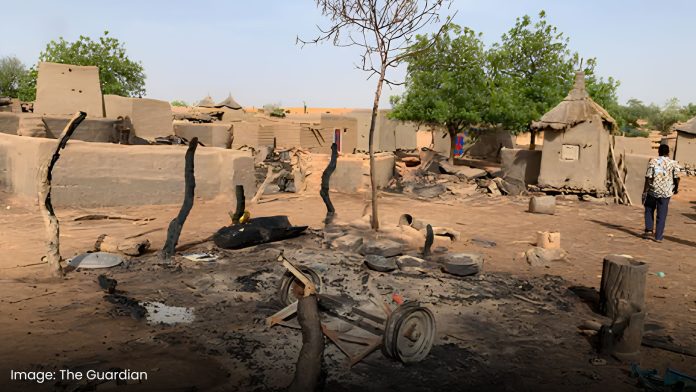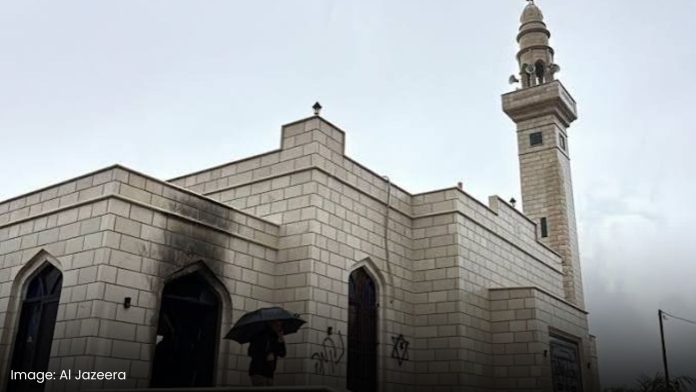

A celebration of faith and community ended in tragedy in Kolkata on October 17, 2026, when a crowd crush at the Chorbagan Sarbojanin Durga Puja pavilion killed 19 people and injured 25. The incident has renewed a difficult question for India: when large religious gatherings are expected to attract huge crowds, why do safety arrangements sometimes fail to prevent deadly disasters?
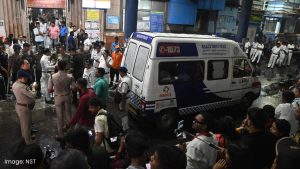

What happened in Kolkata?
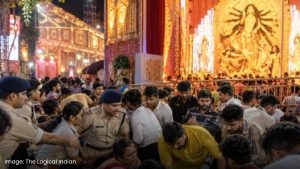
The incident occurred during Durga Puja, one of the most important Hindu festivals in West Bengal. According to preliminary accounts, heavy rain contributed to crowd congestion around the pavilion. Police are examining whether narrow access routes, inadequate crowd control and confusing announcements contributed to the crush.
Reports also indicate that an announcement warning visitors about the pavilion’s structural safety may have triggered or intensified the rush. Investigators are seeking to establish who made the announcement and what prompted it. These details matter because a crowd disaster rarely has a single cause: overcrowding, restricted movement, poor communication and an unexpected trigger can combine to create lethal pressure.
The state government announced an investigation, and people connected to the event were detained for questioning. The investigation must establish the sequence of events before responsibility can fairly be assigned.

Why do crowd crushes happen?
A crowd crush is not simply a case of people running recklessly. When too many people are packed into a confined space, individuals can lose the ability to control their movement. Pressure from surrounding bodies can prevent people from breathing, even when they remain standing.
Risk increases when venues have narrow entrances and exits, insufficient barriers, unclear pedestrian routes or no reliable system for monitoring crowd density. Sudden rain, rumours, unexpected announcements or a change in crowd direction can intensify the pressure.
The National Disaster Management Authority’s crowd-management guidance emphasises planning for expected attendance, controlling entry when a venue approaches capacity, maintaining clear movement routes and ensuring coordination between organisers, police and emergency services.
Is this an isolated failure?
India has experienced fatal crowd disasters at major religious gatherings before, including the Maha Kumbh tragedy in January 2025. Each incident has different circumstances, and comparisons should not replace investigation. Yet the recurrence of crowd-management questions demonstrates why safety cannot be treated as an afterthought.
Religious festivals often draw large, unpredictable flows of visitors. That makes advance planning even more important. Organisers need to anticipate bottlenecks, regulate entry when necessary, provide clear announcements and ensure emergency vehicles can reach injured people. Authorities must inspect temporary structures and verify that safety arrangements are proportionate to expected attendance.
Who should be held responsible?
The answer depends on evidence. Investigators must determine whether organisers, private security personnel, public officials or other parties failed to meet their responsibilities. Detention is not proof of guilt, and the investigation should distinguish mistakes, negligence and any conduct that may amount to a criminal offence.
But accountability should not end with identifying individuals after a disaster. It should also examine the systems that permitted unsafe conditions to develop. Were capacity limits enforced? Were exit routes adequate? Were police and organisers coordinating effectively? Could a clear emergency plan have prevented the crowd from surging?
Prevention is the real test
Compensation can support bereaved families, and investigations can establish responsibility. Neither can restore the lives lost. The more consequential measure is whether authorities implement changes that prevent a similar disaster: enforceable capacity limits, trained crowd-control teams, clear emergency communication, medical access and independent safety inspections.
The Kolkata tragedy should not be reduced to an unfortunate consequence of religious devotion or a sudden spell of rain. Weather may trigger a crisis, but preparation determines how vulnerable a crowd becomes.

REFERENCE