
As winter approaches, hundreds of thousands of Palestinians in Gaza face another blow to their already precarious survival. On October 19, 2026, the United Nations World Food Programme (WFP) announced that funding shortages were forcing it to reduce food assistance, ending monthly support for approximately 500,000 people. The cuts come as two-thirds of Gaza’s population continue to face crisis levels of food insecurity or worse.

A lifeline being reduced
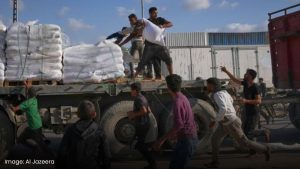
The WFP will reduce the number of people receiving monthly food assistance from 1.6 million to 1.1 million. Food parcels are being cut from two per family to one, flour allocations are shrinking, and cash assistance has been reduced for 75,000 families. Daily hot meal distributions will fall from 250,000 to 150,000, while some families in hard-to-reach areas will receive meals only every other day.
These are not minor administrative adjustments. In a territory where many families have lost their homes, income and access to reliable food supplies, humanitarian assistance is central to daily survival.
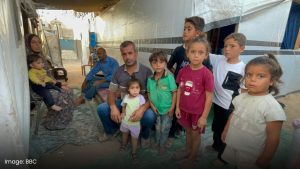
WFP Acting Executive Director Carl Skau described the situation in stark terms: “Life is still brutal here. There is no proper shelter… There is no basic services. There is no safety, no security.” His warning comes as displaced families prepare to face another winter in inadequate shelters.
Hunger remains widespread
The latest Integrated Food Security Phase Classification (IPC) assessment projects that approximately 1.4 million people, around 67 percent of Gaza’s population, will face crisis-level food insecurity or worse through December 2026. Approximately 200,000 people are in emergency conditions, requiring urgent assistance to prevent further deterioration.
Funding shortages meet a devastated economy
The immediate reason for the latest cuts is financial: WFP says it has received less than half the funding for its Palestine operation in 2026 compared with previous years. The agency urgently needs $450 million over six months to maintain critical operations in Gaza and the occupied West Bank.
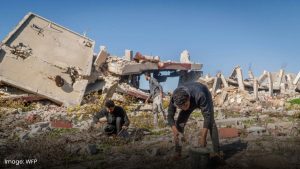
But the crisis cannot be separated from Gaza’s wider destruction. Years of conflict have devastated homes, markets, infrastructure and livelihoods. Restrictions on humanitarian supplies and commercial imports, limited access to agricultural land and the collapse of local economic activity make it difficult for families to replace the assistance they lose.
Emergency food aid can prevent immediate hunger, but it cannot rebuild an economy or restore food production on its own. Without sustained humanitarian access, funding and recovery measures, dependence on aid is likely to persist.
The cost of looking away
The warning is clear, progress against hunger depends on continued assistance. Cutting support while families remain displaced and livelihoods lie in ruins risks undoing improvements that took months of humanitarian work to achieve.
The question is not simply how many food parcels the WFP can distribute. It is whether the international community will provide the resources and access necessary to prevent further deterioration, while enabling Palestinians to rebuild their lives.
For half a million people losing monthly food assistance, winter is approaching with fewer guarantees of what they will eat tomorrow.
REFERENCE
https://www.ipcinfo.org/ipc-country-analysis/details-map/en/c/1165303/