As Hormuz Burns, Missiles Have Shattered Four Years Of Saudi-Houthi Calm
The Truce Was Never Peace
Yemen’s war did not end when major Saudi-Houthi cross-border attacks largely stopped in 2022. The UN-brokered truce reduced violence, but it never produced a permanent political settlement.
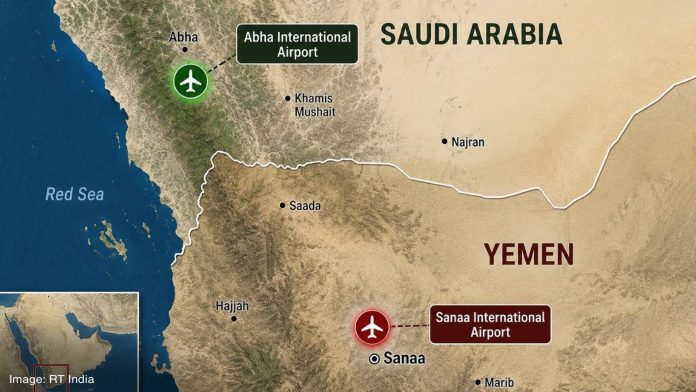
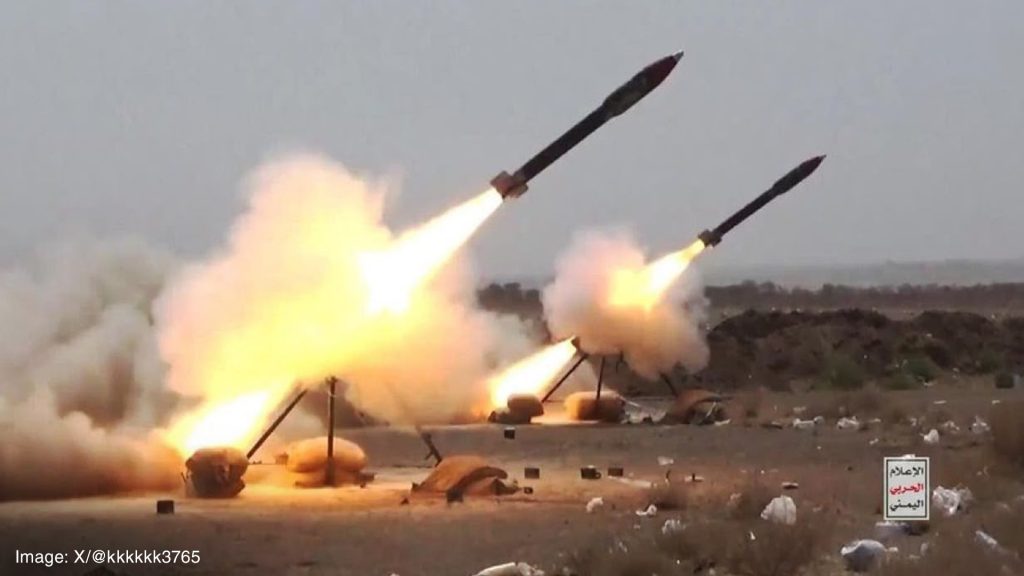
That fragile calm was shattered on July 13, 2026, when the Houthis launched missiles and drones toward Abha International Airport in southern Saudi Arabia. Saudi air defences intercepted the attack, and no casualties were reported. It was the first Houthi-claimed attack on Saudi Arabia in roughly four years, according to reporting by Reuters and the Associated Press.
The renewed confrontation is unfolding as the separate US-Iran conflict places the Strait of Hormuz under pressure, potentially exposing Saudi Arabia’s two main energy corridors to instability at the same time.
What Happened At Sana’a Airport
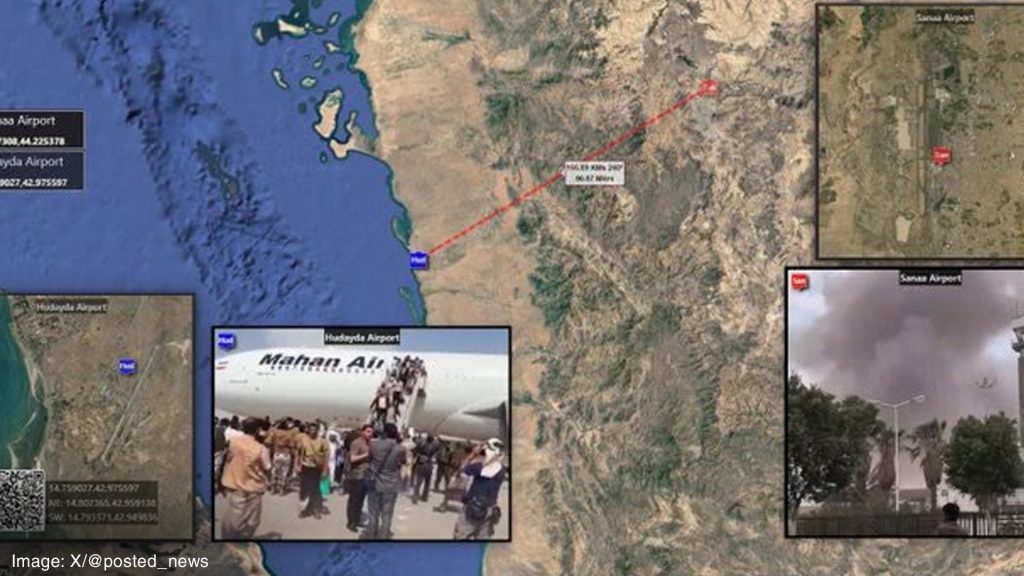
Hours before the Abha attack, strikes damaged the runway at Sana’a International Airport, which is controlled by the Houthis.
Yemen’s internationally recognised government said its forces struck the runway to prevent an Iranian aircraft from landing without permission. The plane was reportedly carrying a Houthi delegation returning from Iran following Ayatollah Ali Khamenei’s funeral.
The Houthis blamed Saudi Arabia for the airport strike and described it as the end of the de-escalation period. Saudi authorities did not confirm that Saudi forces had carried out the attack. The Iranian aircraft later landed peacefully at Hodeidah, suggesting that restraint had not completely collapsed.
The sequence is established. Responsibility for the initial airport strike remains contested.
Missiles Return To Saudi Arabia
The Houthis said they targeted Abha International Airport with ballistic missiles and drones in response to the Sana’a runway strike. They also warned airlines against using Saudi airspace while restrictions remained in place at Sana’a airport.
Saudi Arabia said its forces intercepted the incoming weapons. No deaths or injuries were reported, but the exchange represented the most serious direct Saudi-Houthi escalation since the informal truce began in March 2022.
The UN Security Council subsequently held an emergency session. UN Special Envoy Hans Grundberg urged the parties to avoid what he described as a new cycle of violence.
The Houthis also detained an International Committee of the Red Cross aircraft and crew at Sana’a airport during the disruption. The ICRC later said its personnel were safe.
The Ground War Was Already Heating Up
The cross-border exchange did not emerge from complete calm.
On July 4 and 5, more than a week before the Abha attack, Houthi forces launched a major offensive against government-aligned positions around Jabal Dabbas in Hays district, south of Hodeidah.
Medical and military sources cited by Al Jazeera reported that between 14 and 16 government-aligned troops were killed, while approximately 22 to 23 were wounded.
A Yemeni government minister claimed that more than 50 Houthi fighters were also killed. That figure has not been independently confirmed and was not verified by Houthi sources. It must therefore be treated as a government claim, not an established casualty count.
Independent verification is more difficult because the mandate of the UN monitoring mission in Hodeidah expired on March 31, 2026.
Two Energy Corridors Under Pressure
The Strait of Hormuz is one of the world’s most important oil routes. As the US-Iran confrontation threatens shipping there, Saudi Arabia has relied more heavily on its East-West pipeline, which transports oil across the kingdom toward the Red Sea.
That route reduces dependence on Hormuz, but it does not eliminate regional risk.
Hodeidah lies on Yemen’s Red Sea coast, near the maritime routes leading toward the Bab al-Mandab Strait. No new Houthi attack on commercial vessels has been confirmed as part of this week’s escalation. However, many shipping companies continue rerouting around Africa because of the earlier Houthi campaign against Red Sea vessels.
Saudi Arabia could therefore face pressure around Hormuz while renewed instability develops near the alternative export route it increasingly needs.
The Celebration Footage Could Not Be Verified
Claims circulated online that people celebrated in the streets after missiles were launched toward Saudi Arabia. No reliable independent reporting confirmed that the crowds shown were celebrating this specific attack.
One photograph used alongside current coverage was an older image showing Houthi supporters celebrating the October 2025 Gaza ceasefire. It was unrelated to the July 2026 escalation.
Public hostility toward Saudi Arabia may remain strong in Houthi-controlled areas after years of Saudi-led military intervention. But recycled images and unverified captions cannot be treated as evidence of celebrations connected to this attack.
A Pause Is Colliding With A Wider War
Saudi Arabia and the Houthis never signed a final peace agreement. The relative calm since 2022 depended on indirect negotiations, restraint and both sides deciding that another major war would be too costly.
Now Yemen’s unresolved conflict is colliding with the wider struggle involving Iran, the United States and two of the world’s most important energy routes.
The airport strike, missile response and Hodeidah fighting do not yet prove that full-scale war has returned. They do show how quickly four years of relative calm can unravel when the grievances beneath it were never resolved.
Sources Used
Reuters: Yemen Airport Strike and Houthi Missile Response
Associated Press: Houthi Attack on Abha International Airport
Al Jazeera: Government Troops Killed in Hodeidah Fighting
The Guardian: Iranian Flight and Sana’a Airport Dispute