Australia Is Putting ISIS Returnees On Trial While Survivors Relive The Horror

Australia’s First Crimes Against Humanity Case

Years after ISIS lost its territory in Syria and Iraq, Australia is now confronting some of the group’s alleged crimes inside its own courtrooms.

Four women and nine children linked to ISIS arrived in Australia after being repatriated from al-Roj camp in northeast Syria. Within hours of arrival, three of the four women were arrested and charged in what has quickly become one of the country’s most significant terrorism-related legal cases in years. The fourth woman was not arrested or charged.

But this is not a standard terrorism prosecution.

Authorities in Melbourne charged 53-year-old Kawsar Abbas and her 31-year-old daughter Zeinab Ahmed with crimes linked to the alleged enslavement of Yazidi women in Syria. Prosecutors allege the pair purchased a Yazidi woman for approximately $10,000 while living under ISIS rule. Each charge carries a maximum penalty of 25 years in prison, among the harshest criminal penalties in Australian law. The case marks the first time Australia has used its domestic crimes against humanity legislation, enacted in 2002, to prosecute alleged international crimes connected to ISIS.
In Sydney, 32-year-old Janai Safar was separately charged with entering and remaining in a declared conflict zone and allegedly joining ISIS. Her lawyer argued in court that the alleged conduct dated back to when she was 21 years old and noted she had spent nearly nine years inside Syrian detention camps. All three women were refused bail.

The most powerful part of the case, however, may come from the women expected to testify.

Two Yazidi survivors, identified in reporting as Tayseer and Sarab, allege they were enslaved while living with the Abbas family in Syria. Tayseer reportedly said she spent 18 months in captivity and suffered repeated abuse, while Sarab said she was briefly enslaved as a teenager before being transferred to another captor. Both women are reportedly willing to testify if the case proceeds to trial.

For many observers, the case represents more than an Australian legal milestone. It is one of the clearest examples yet of how the crimes committed during ISIS rule continue to reverberate years after the collapse of the group’s so-called caliphate.

The Children Returning From Syrian Camps

The return of the women has also reopened another difficult debate: what should happen to the children raised in or taken into ISIS-controlled territory.

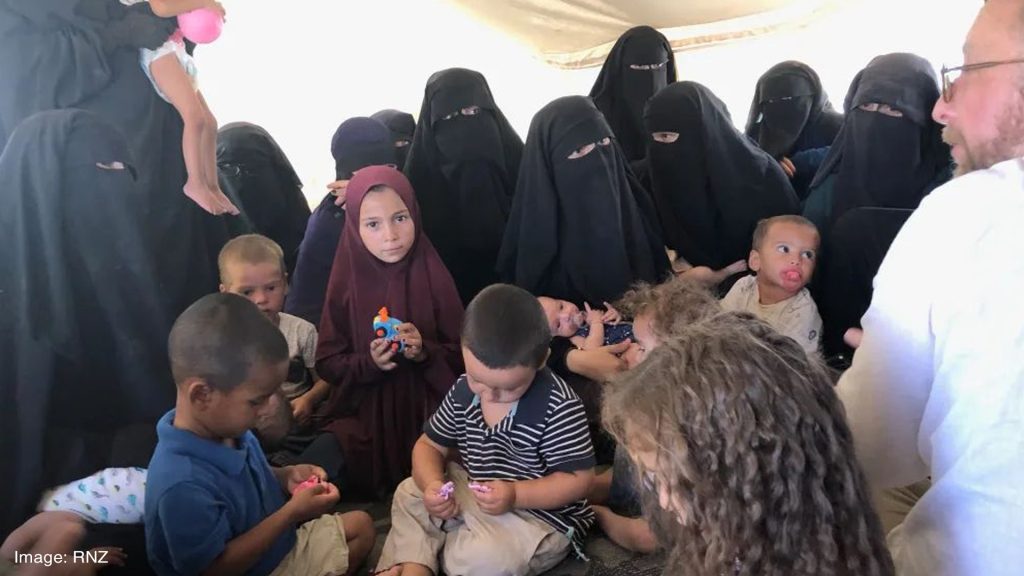
Nine children arrived alongside the women after years spent inside detention camps in northeast Syria. Some were born inside territory once controlled by ISIS, while others were taken there at extremely young ages and have spent much of their lives inside heavily restricted camps such as al-Roj and al-Hol.

Human rights organizations and researchers have repeatedly described conditions inside the camps as unstable, overcrowded and deeply traumatic for children. Global studies on previously repatriated children have suggested many reintegrate successfully once returned home, but the process is often complex and psychologically difficult.

The situation became even more complicated after several of the women were arrested immediately upon arrival, separating some children from their mothers during an already disorienting transition back into Australian society.

Prime Minister Anthony Albanese said he had “zero sympathy” for the women accused of links to ISIS, but stressed concern for the children, describing them as victims of decisions made by their parents.
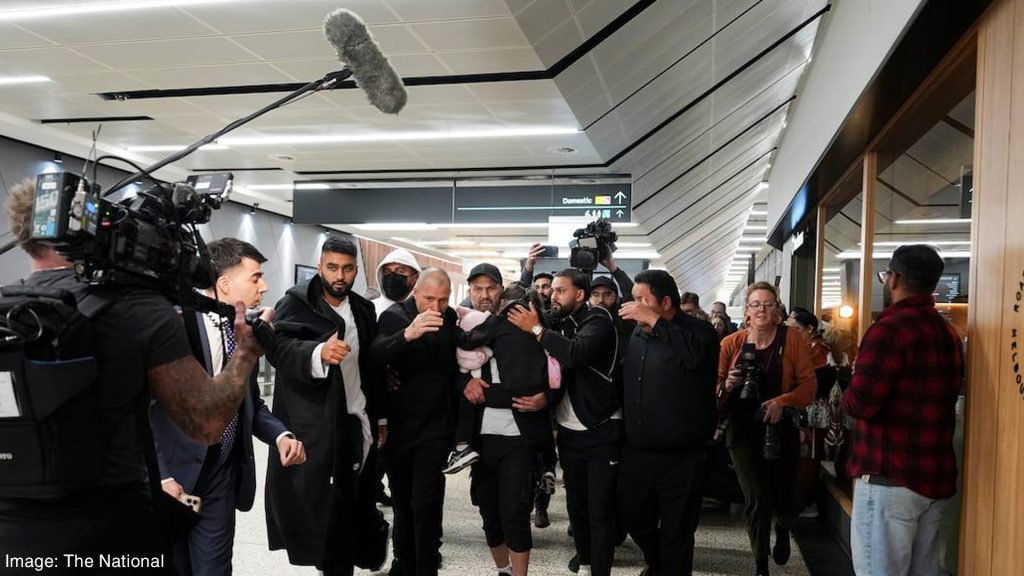
The emotional tension surrounding the children has become one of the defining features of the broader ISIS repatriation debate worldwide. Governments increasingly face the challenge of balancing security concerns with the reality that many of the children involved never chose to live under ISIS.

The Global Debate Over ISIS Returnees

Australia is far from the only country still struggling with the aftermath of ISIS.

Governments across Europe, North America and Australia remain divided over how to handle citizens who traveled to Syria during the height of ISIS rule. Some countries quietly repatriated families. Others revoked citizenship or refused returns altogether.

Australia’s latest operation also revealed the complicated diplomacy behind these repatriations. Reports indicated the women and children transited through Doha on Qatar Airways flights before arriving in Australia, despite Australian officials publicly insisting they did not facilitate the operation themselves. Syrian and Qatari authorities reportedly played key roles in enabling the departures.

Even now, the story is far from over.

Roughly 21 Australians are still believed to remain inside camps in northeast Syria, and previous repatriation efforts have already faced setbacks. Earlier attempts to return Australian-linked families from the camps were reportedly blocked by Syrian authorities.

The new charges may also influence whether remaining families ever voluntarily return to Australia at all.

What began as a story about repatriation has now evolved into something far larger: a legal, moral and political reckoning over how countries deal with the long shadow of ISIS years after the battlefield war officially ended.

Sources: Reuters, AP, NPR, ABC Australia, Washington Post, Human Rights Watch

#Verum #Australia #ISIS #Syria #Yazidi #GlobalNews #MiddleEast #HumanRights #Terrorism #VerumNews


Australia’s First Crimes Against Humanity Case

Years after ISIS lost its territory in Syria and Iraq, Australia is now confronting some of the group’s alleged crimes inside its own courtrooms.

Four women and nine children linked to ISIS arrived in Australia after being repatriated from al-Roj camp in northeast Syria. Within hours of arrival, three of the four women were arrested and charged in what has quickly become one of the country’s most significant terrorism-related legal cases in years. The fourth woman was not arrested or charged.

But this is not a standard terrorism prosecution.

Authorities in Melbourne charged 53-year-old Kawsar Abbas and her 31-year-old daughter Zeinab Ahmed with crimes linked to the alleged enslavement of Yazidi women in Syria. Prosecutors allege the pair purchased a Yazidi woman for approximately $10,000 while living under ISIS rule. Each charge carries a maximum penalty of 25 years in prison, among the harshest criminal penalties in Australian law. The case marks the first time Australia has used its domestic crimes against humanity legislation, enacted in 2002, to prosecute alleged international crimes connected to ISIS.

In Sydney, 32-year-old Janai Safar was separately charged with entering and remaining in a declared conflict zone and allegedly joining ISIS. Her lawyer argued in court that the alleged conduct dated back to when she was 21 years old and noted she had spent nearly nine years inside Syrian detention camps. All three women were refused bail.

The most powerful part of the case, however, may come from the women expected to testify.

Two Yazidi survivors, identified in reporting as Tayseer and Sarab, allege they were enslaved while living with the Abbas family in Syria. Tayseer reportedly said she spent 18 months in captivity and suffered repeated abuse, while Sarab said she was briefly enslaved as a teenager before being transferred to another captor. Both women are reportedly willing to testify if the case proceeds to trial.

For many observers, the case represents more than an Australian legal milestone. It is one of the clearest examples yet of how the crimes committed during ISIS rule continue to reverberate years after the collapse of the group’s so-called caliphate.

The Children Returning From Syrian Camps

The return of the women has also reopened another difficult debate: what should happen to the children raised in or taken into ISIS-controlled territory.

Nine children arrived alongside the women after years spent inside detention camps in northeast Syria. Some were born inside territory once controlled by ISIS, while others were taken there at extremely young ages and have spent much of their lives inside heavily restricted camps such as al-Roj and al-Hol.

Human rights organizations and researchers have repeatedly described conditions inside the camps as unstable, overcrowded and deeply traumatic for children. Global studies on previously repatriated children have suggested many reintegrate successfully once returned home, but the process is often complex and psychologically difficult.

The situation became even more complicated after several of the women were arrested immediately upon arrival, separating some children from their mothers during an already disorienting transition back into Australian society.

Prime Minister Anthony Albanese said he had “zero sympathy” for the women accused of links to ISIS, but stressed concern for the children, describing them as victims of decisions made by their parents.

The emotional tension surrounding the children has become one of the defining features of the broader ISIS repatriation debate worldwide. Governments increasingly face the challenge of balancing security concerns with the reality that many of the children involved never chose to live under ISIS.

The Global Debate Over ISIS Returnees

Australia is far from the only country still struggling with the aftermath of ISIS.

Governments across Europe, North America and Australia remain divided over how to handle citizens who traveled to Syria during the height of ISIS rule. Some countries quietly repatriated families. Others revoked citizenship or refused returns altogether.

Australia’s latest operation also revealed the complicated diplomacy behind these repatriations. Reports indicated the women and children transited through Doha on Qatar Airways flights before arriving in Australia, despite Australian officials publicly insisting they did not facilitate the operation themselves. Syrian and Qatari authorities reportedly played key roles in enabling the departures.

Even now, the story is far from over.

Roughly 21 Australians are still believed to remain inside camps in northeast Syria, and previous repatriation efforts have already faced setbacks. Earlier attempts to return Australian-linked families from the camps were reportedly blocked by Syrian authorities.

The new charges may also influence whether remaining families ever voluntarily return to Australia at all.

What began as a story about repatriation has now evolved into something far larger: a legal, moral and political reckoning over how countries deal with the long shadow of ISIS years after the battlefield war officially ended.

Sources: Reuters, AP, NPR, ABC Australia, Washington Post, Human Rights Watch

#Verum #Australia #ISIS #Syria #Yazidi #GlobalNews #MiddleEast #HumanRights #Terrorism #VerumNews
spot_img

Explore more

spot_img
Global Affairs

Trump Cut Off Cuba’s Oil. Now Its People Are Preparing For...

A French Company Paid Terrorists To Keep A Factory Running. Now...

They Were Burned Alive In Their Sleep. Police Say Their Classmates...

Musk Amplified The Rage. AI Made The Hitlist. Belfast Burned.

From Settlement Sales To Celebrity Ads: The Business Of Selling Israeli...

Bodies Of Evidence: The Explosive Al Jazeera Film Exposing Horrors Inside...

Isr*el Is Burning Lebanon From The Sky