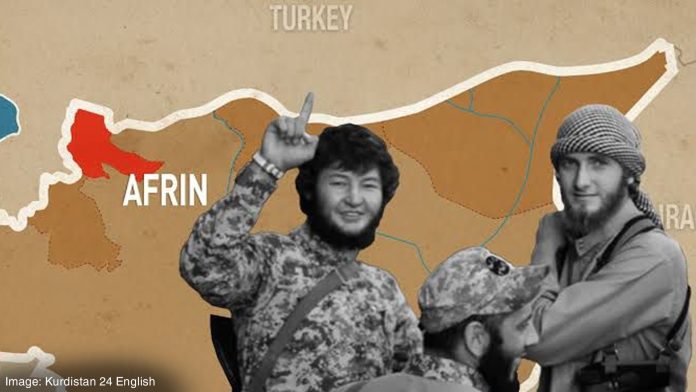
Yasir, 37, originally from Kashgar, put it simply.
“Can slogans alone free my family? Can I liberate them by mere words? China will not stop just because we complain.”
He fled Xinjiang, survived Syria’s war, and now holds a position inside Syria’s new defense ministry. He cannot go home. He is not sure Syria will protect him. And his family is still inside a country he may never see again.
His story is one of thousands.
Why Thousands Of Uyghurs Left China
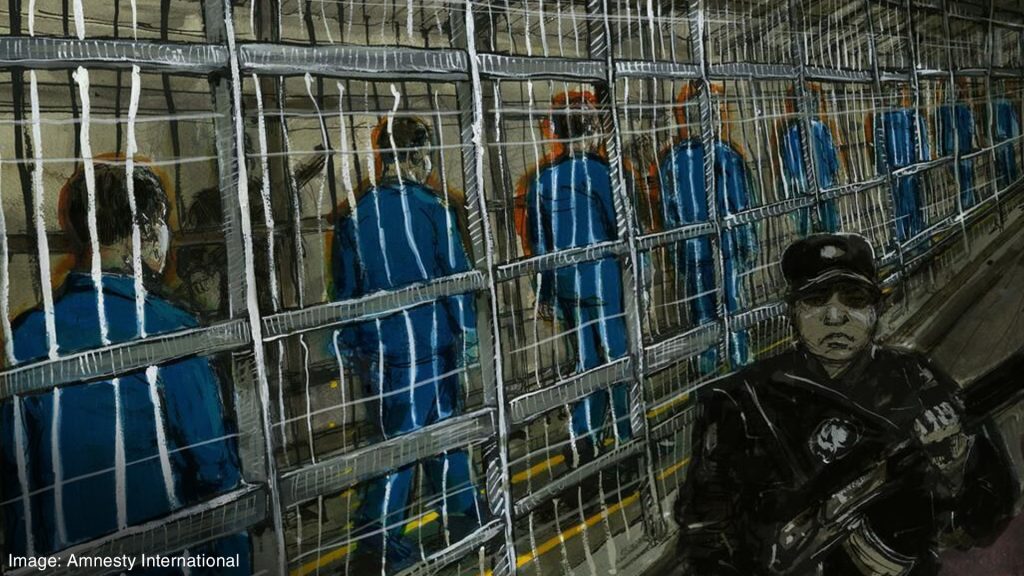
Over 1 million Uyghurs are estimated to have passed through China’s detention system in Xinjiang, according to UN experts and human rights researchers. Mosques were shut. Relatives disappeared. Families were caught inside a vast security and political reeducation system that Beijing describes as counter-terrorism infrastructure, and that many Western governments and human rights organisations describe as mass internment.
Some Uyghurs fled.
Many interviewed by NPR described leaving after relatives vanished, after mosques were sealed, or after they became convinced that peaceful activism would change nothing. For many of those who eventually ended up in Syria, the war was never simply ideological. It became tied to grief, exile and the belief that nobody else was coming to help them.
How Syria’s War Changed Their Lives
The Uyghur presence in Syria was not small.
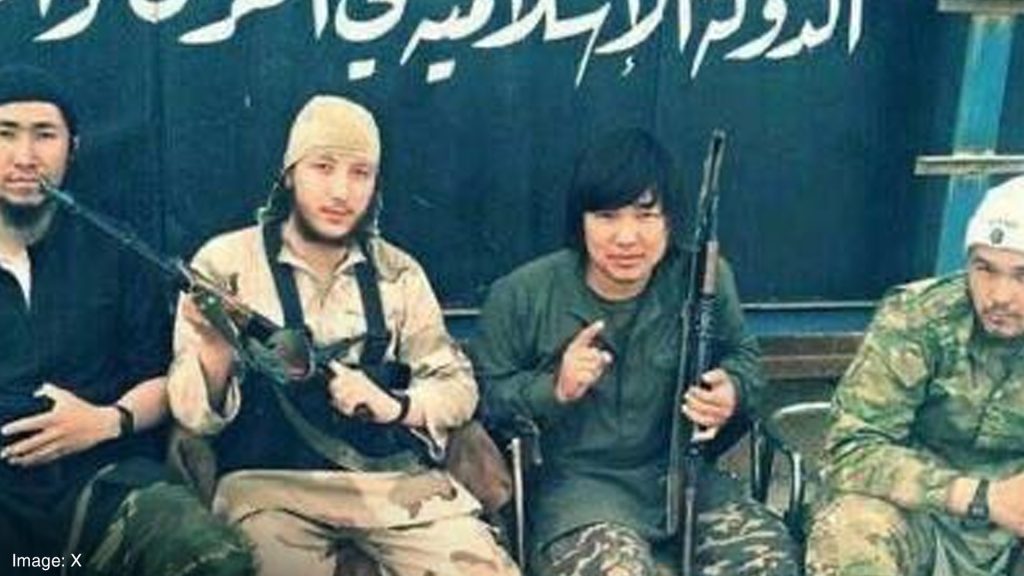
Thousands of fighters joined the Turkistan Islamic Party, a structured Uyghur militant organisation deeply embedded inside Syria’s rebel coalition throughout the war against Assad. Many did not just survive the conflict. They helped end it.
After Assad’s fall, several Uyghur fighters were appointed brigadier-generals and colonels inside Syria’s new military structure, transforming them from foreign fighters into state-linked military officers.
That shift created a new and complicated diplomatic reality.
The Diplomatic Pressure Building On Syria
Syria’s new government is navigating an extremely difficult position.
It needs reconstruction funding that could run into the tens of billions of dollars. It needs diplomatic recognition and international legitimacy after years of isolation under Assad. And it needs stable relations with major powers, including Beijing, which has significant influence over both.
At the same time, it depends on the loyalty of many fighters who helped bring Assad down, some of whom are now Uyghur officers inside the new military.
China, which designates the Turkistan Islamic Party as a terrorist organisation, has signalled that Syria’s path toward normalisation will need to account for their presence. How Syria manages that tension, and what it means for the Uyghur fighters inside its military, remains unresolved.
The Uyghurs find themselves at the centre of that calculation, with little say over the outcome.
Families Still Inside Xinjiang
Turkey is home to one of the largest Uyghur diaspora communities outside Central Asia, and many fighters have built new lives there or in Syria with wives and children. But some still have parents, siblings and relatives inside Xinjiang, with little or no contact, uncertain whether their actions abroad could affect the families they left behind.
That creates a second layer of exile.
Even fighters who survived Syria’s war, rose through its military ranks and built new lives in a new country still carry the weight of people they cannot reach.
Caught Between Two Governments
The Assad era is over. But for Syria’s Uyghur fighters, the uncertainty has only changed shape.
They escaped a system that swallowed their families. They survived a decade of war. Some became officers in the government of the country they helped free.
And yet, somewhere in Xinjiang, the people they fought for are still waiting. Still inside a system that has not released them. Still unreachable. With no resolution coming and their fate tied to diplomatic negotiations happening entirely without them.
By Shizza Farooqui
Sources: NPR, Pulitzer Center, Foreign Policy, Reuters, New Arab, Arab News, Jerusalem Post, House of Commons Library