Cuba’s Collapse Is Now Official

At a hospital in Havana, a nurse named Daniela begins her night shift the same way she has for months now.

She checks her phone torch is charged. She counts what is left in the medication refrigerator. She does the maths on how many hours of generator power remain before she will be treating patients in the dark.

“We do not talk about it anymore,” she told a local journalist. “We just survive it.”

Daniela is one of nearly 10 million Cubans now living through a national energy crisis that the government itself has officially acknowledged it cannot fix.

“Absolutely No Fuel”

Cuba’s Energy Minister made an extraordinary public admission this week. The government has “absolutely no fuel, oil, and absolutely no diesel.”

Governments rarely admit they have nothing left. Cuba just did.

Since late 2025, blackouts across the island have stretched beyond 20 hours a day in many areas, a level of power failure that has now persisted for more than six consecutive months with no credible end in sight. Entire apartment blocks disappear into darkness every night. Elevators have stopped working, trapping elderly residents inside dark towers. Families are sleeping outside in suffocating heat. Refrigerators are failing and food is spoiling within hours.

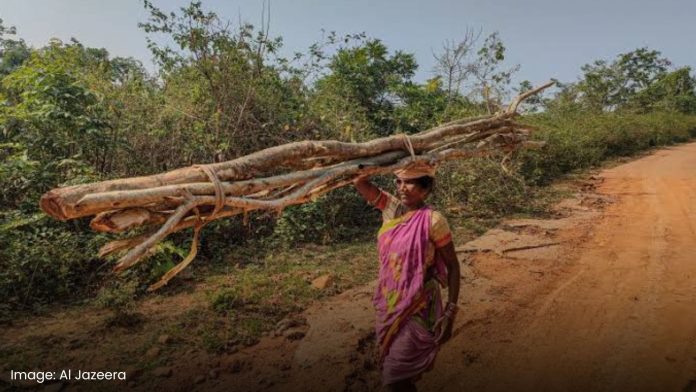
Across Havana, the most haunting image of the crisis is spreading on social media: Cuban families cooking with firewood again in the middle of a modern city because electricity and gas have become unreliable luxuries.

How Venezuela’s Collapse Became Cuba’s Crisis

For decades, Cuba depended on heavily subsidised Venezuelan oil to keep its power grid running. That lifeline has been disappearing.

Venezuela’s own economic collapse has dramatically reduced the fuel shipments Cuba relied on to survive. What was once a guaranteed supply has become unpredictable and increasingly insufficient. When Venezuela began to falter, Cuba had almost nothing to fall back on.

One failing economy has now dragged another into darkness alongside it.

The Cuban government points to US sanctions and restrictions on fuel imports as the primary cause of the crisis. Critics argue years of state mismanagement and economic stagnation left Cuba dangerously exposed long before the current shortages began. Both things are true simultaneously. And ordinary Cubans are paying the price for both.

Hunger Is Rising Across The Island

The energy collapse is rapidly becoming a humanitarian emergency.

Nearly one in three Cuban households reported a family member going to bed hungry within the last month. The peso has lost more than 80 percent of its value on the informal market since 2021, making imported food effectively unaffordable for most families. Fuel shortages are disrupting food distribution, damaging refrigeration chains and making basic goods harder to find across the country.

Hospitals like Daniela’s are operating under emergency conditions as power instability affects water systems, refrigeration and essential medical equipment.

Protests Are Appearing On The Streets

In Cuba, public protest is not just rare. It is dangerous.

For decades, demonstrations against the government carried the very real risk of arrest, surveillance and imprisonment. That history makes what is now happening on Cuba’s streets significant.

Videos shared online show residents in Havana and other cities banging pots and shouting from darkened streets as entire neighbourhoods lose power for most of the day. The protests remain relatively contained. But in a country where public dissent has historically been met with swift state response, even limited unrest signals something important about how close to the edge millions of Cubans now feel.

A Country Going Dark

For decades, Cuba represented resilience through crisis. This collapse feels different because it is happening in full public view and the government has run out of explanations that hold.

Fuel is gone. The power grid is failing. Food is harder to find. And a nurse in a Havana hospital is counting torch batteries at the start of every shift, preparing to care for patients in the dark.

For millions of Cubans, the future now arrives by candlelight.

By Shizza Farooqui

Sources: Reuters, BBC, CNN, Al Jazeera, ABC News, AP News, The Guardian, Cuba Headlines
At a hospital in Havana, a nurse named Daniela begins her night shift the same way she has for months now.

She checks her phone torch is charged. She counts what is left in the medication refrigerator. She does the maths on how many hours of generator power remain before she will be treating patients in the dark.

“We do not talk about it anymore,” she told a local journalist. “We just survive it.”

Daniela is one of nearly 10 million Cubans now living through a national energy crisis that the government itself has officially acknowledged it cannot fix.

“Absolutely No Fuel”

Cuba’s Energy Minister made an extraordinary public admission this week. The government has “absolutely no fuel, oil, and absolutely no diesel.”

Governments rarely admit they have nothing left. Cuba just did.

Since late 2025, blackouts across the island have stretched beyond 20 hours a day in many areas, a level of power failure that has now persisted for more than six consecutive months with no credible end in sight. Entire apartment blocks disappear into darkness every night. Elevators have stopped working, trapping elderly residents inside dark towers. Families are sleeping outside in suffocating heat. Refrigerators are failing and food is spoiling within hours.

Across Havana, the most haunting image of the crisis is spreading on social media: Cuban families cooking with firewood again in the middle of a modern city because electricity and gas have become unreliable luxuries.

How Venezuela’s Collapse Became Cuba’s Crisis

For decades, Cuba depended on heavily subsidised Venezuelan oil to keep its power grid running. That lifeline has been disappearing.

Venezuela’s own economic collapse has dramatically reduced the fuel shipments Cuba relied on to survive. What was once a guaranteed supply has become unpredictable and increasingly insufficient. When Venezuela began to falter, Cuba had almost nothing to fall back on.

One failing economy has now dragged another into darkness alongside it.

The Cuban government points to US sanctions and restrictions on fuel imports as the primary cause of the crisis. Critics argue years of state mismanagement and economic stagnation left Cuba dangerously exposed long before the current shortages began. Both things are true simultaneously. And ordinary Cubans are paying the price for both.

Hunger Is Rising Across The Island

The energy collapse is rapidly becoming a humanitarian emergency.

Nearly one in three Cuban households reported a family member going to bed hungry within the last month. The peso has lost more than 80 percent of its value on the informal market since 2021, making imported food effectively unaffordable for most families. Fuel shortages are disrupting food distribution, damaging refrigeration chains and making basic goods harder to find across the country.

Hospitals like Daniela’s are operating under emergency conditions as power instability affects water systems, refrigeration and essential medical equipment.

Protests Are Appearing On The Streets

In Cuba, public protest is not just rare. It is dangerous.

For decades, demonstrations against the government carried the very real risk of arrest, surveillance and imprisonment. That history makes what is now happening on Cuba’s streets significant.

Videos shared online show residents in Havana and other cities banging pots and shouting from darkened streets as entire neighbourhoods lose power for most of the day. The protests remain relatively contained. But in a country where public dissent has historically been met with swift state response, even limited unrest signals something important about how close to the edge millions of Cubans now feel.

A Country Going Dark

For decades, Cuba represented resilience through crisis. This collapse feels different because it is happening in full public view and the government has run out of explanations that hold.

Fuel is gone. The power grid is failing. Food is harder to find. And a nurse in a Havana hospital is counting torch batteries at the start of every shift, preparing to care for patients in the dark.

For millions of Cubans, the future now arrives by candlelight.

By Shizza Farooqui

Sources: Reuters, BBC, CNN, Al Jazeera, ABC News, AP News, The Guardian, Cuba Headlines

spot_img

Explore more

spot_img
Global Affairs

Burkina Faso Just Ended a Bill Gates-Funded Science Experiment on Africans

Maldives “Death Cave” Claims Six Lives

Why Is The Pentagon Releasing UFO Files Now?

The Files Came Out. The TRUTH Didn’t.

They Dissolved A Prime Minister In Acid

Lahore Restores History As India Renames Cities

The World’s Silent Psychological Collapse

The Image Isr*el Can’t Escape