Billionaires at the Door
The night before the 2026 Met Gala, activist groups in Manhattan were already preparing.
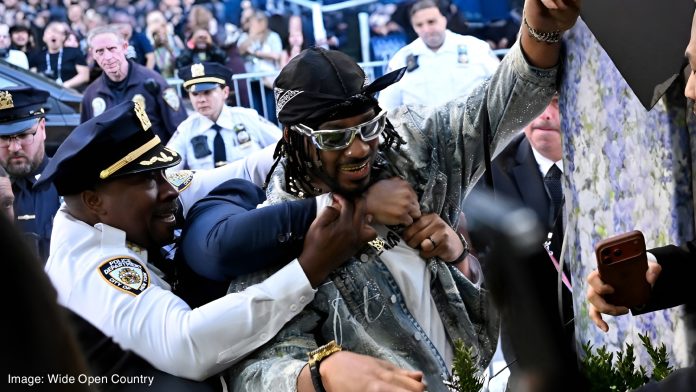
By the time the red carpet opened, protesters had placed hundreds of fake urine bottles near the Metropolitan Museum of Art. The reference was deliberate: a long-running allegation that Amazon warehouse workers face conditions so controlled they cannot take adequate bathroom breaks.
Jeff Bezos, founder of Amazon and owner of The Washington Post, was inside the museum. He and Lauren Sanchez Bezos were serving as lead sponsors and honorary chairs of the event.
That image, a billionaire celebrating at one of the world’s most exclusive cultural institutions while labor protesters demonstrated outside, became the defining frame of the entire night.
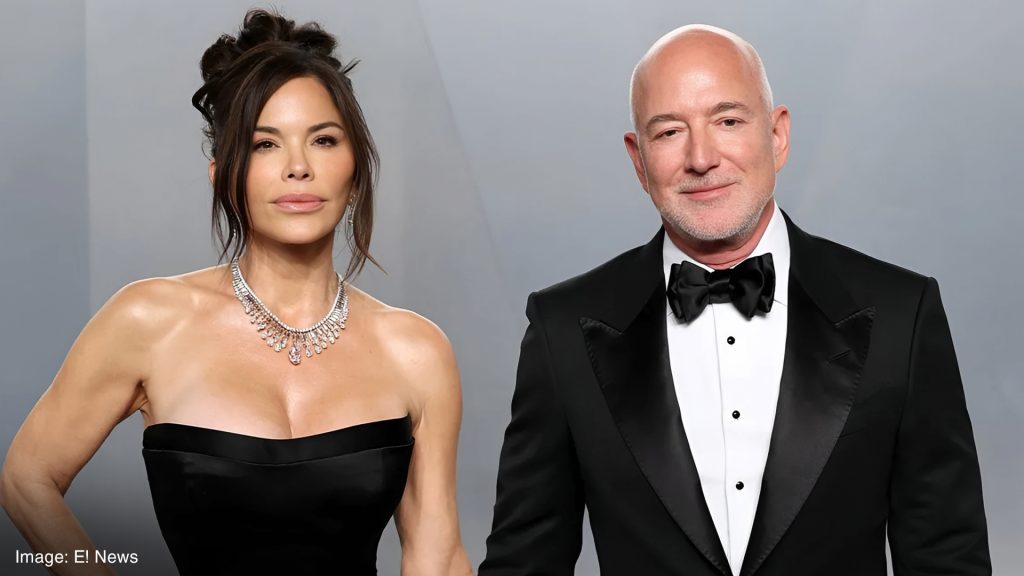
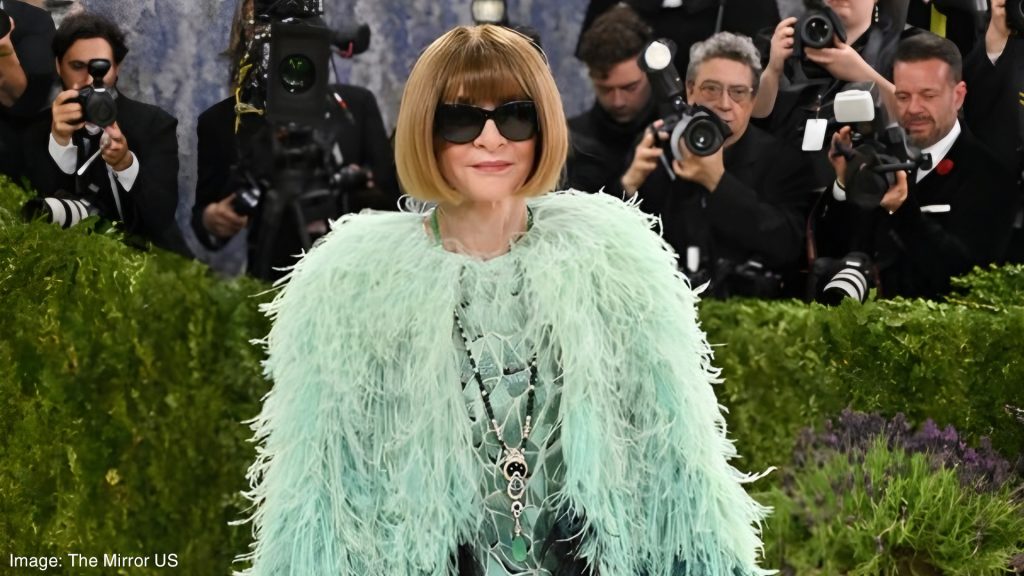
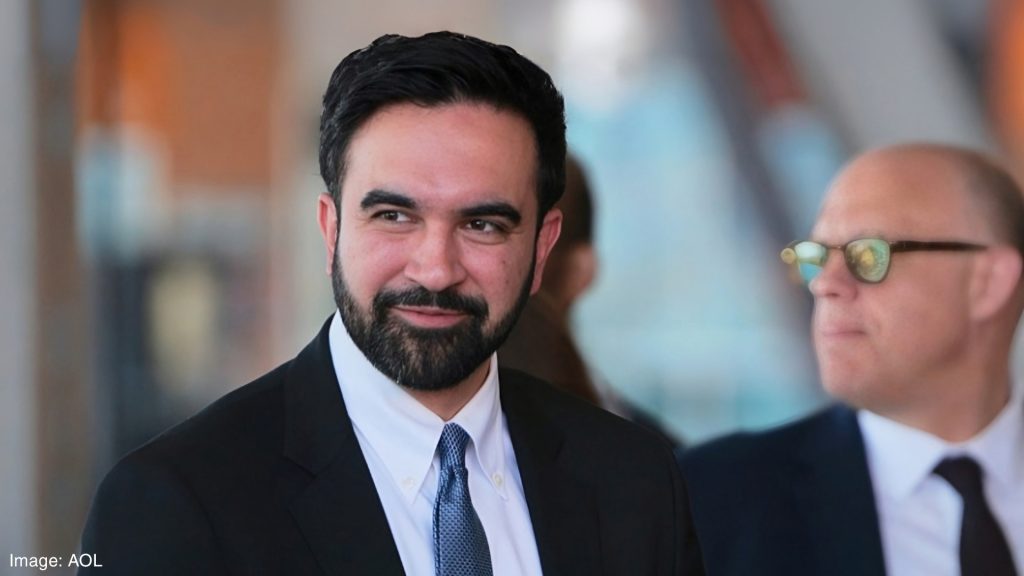
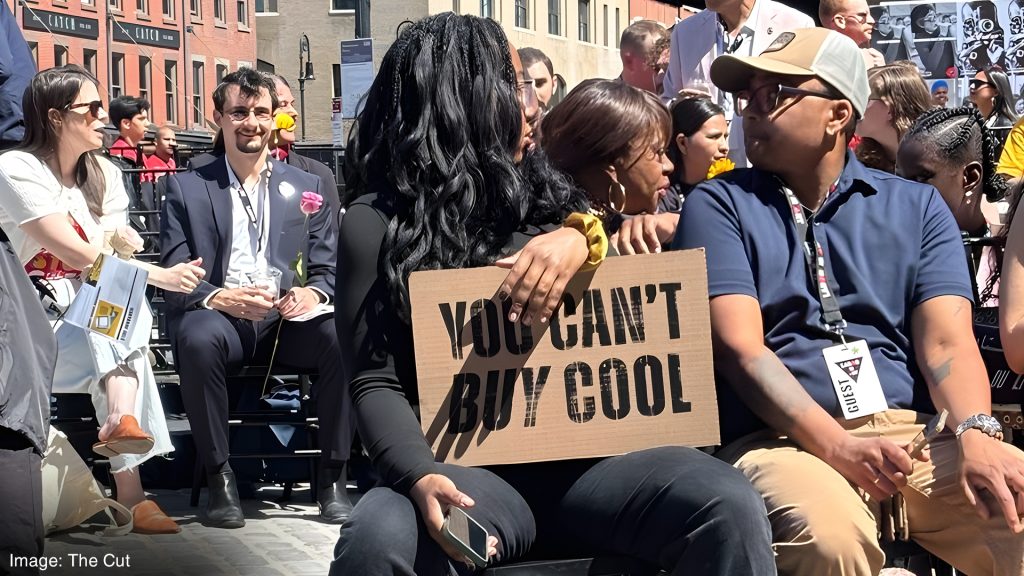
Image Laundering Through Culture
The backlash was not simply about fashion or celebrity excess. Critics made a more specific argument: that the Met Gala is increasingly being used by billionaires to legitimize their public image through cultural prestige.
The word used repeatedly online was “laundering.” Not financial laundering. Reputational laundering.
The logic went like this: Bezos arrives at the Met Gala. He sits beside celebrities, gets photographed in couture surroundings, and associates himself with art, culture, and creative excellence. The controversy around Amazon labor practices, Washington Post editorial decisions, and reported financial links to political figures gets softened by proximity to glamour.
Critics argued Anna Wintour and Vogue leadership had allowed this to happen deliberately, embracing billionaire sponsorship at a moment of rising economic frustration globally and deepening anti-elite sentiment at home.
The phrase that trended repeatedly across social platforms: “The Met Gala stopped being about fashion years ago.”
The Absences Spoke Loudest
In previous years, the conversation after the Met Gala centered on who wore what.
This year, it centered on who did not show up.
Zendaya and Bella Hadid were among the most discussed absences. Neither confirmed the reason publicly, but the speculation was immediate: that some celebrities had made a quiet calculation and decided the reputational risk of association outweighed the visibility gain.
New York City mayoral candidate Zohran Mamdani made the political dimension explicit. He rejected the gala entirely, saying his focus was on housing affordability and inequality in a city where residents face rising costs while cultural institutions host $50,000-per-table events.
That moment circulated widely because it captured the central tension of the night in plain language.
The Guest List Problem
A second wave of criticism targeted the composition of the room itself.
Social media users repeatedly questioned why tech founders, venture capital figures, internet influencers, and corporate executives now dominate invitations to an event historically associated with fashion and artistic expression.
Mark Zuckerberg’s presence on the red carpet crystallized the debate. For many observers, his attendance was not remarkable. That was the problem. A tech billionaire walking the Met Gala carpet no longer registers as unusual.
Critics argued that fashion, once a space with its own internal logic of creative hierarchy, has been subordinated to a broader economy of status, wealth, and institutional access.
The people with the most cultural power in the room were not designers. They were investors.
The Glamour Was Real. So Was Everything Else.
Inside the museum, the fashion was genuine.
Sculpted silhouettes, metallic anatomy-inspired designs, theatrical couture, and surrealist construction dominated the carpet. Beyonce, Doja Cat, Janelle Monae, Bad Bunny, and Emma Chamberlain produced moments that will be studied in fashion editorial for years.
But the glamour could not fully absorb the politics surrounding it. For the first time in recent memory, the red carpet imagery competed directly with protest imagery for cultural attention, and neither clearly won.
By the end of the night, the Met Gala had become a referendum on something larger than fashion.
The question it raised was straightforward: when billionaires buy access to cultural institutions, who does culture actually belong to?
The dresses went viral.
The backlash will last longer.
Sources: LA Times, The New Yorker, Entertainment Weekly, CNN, AP News, BBC, The Cut
#MetGala #JeffBezos #Amazon #Billionaires #CelebrityCulture #Fashion #Politics #NYC #Verum #PowerAndCulture