THE FIRST PHASE OF VOTING IS OVER. THE POLITICAL CRISIS IN KASHMIR ISN’T.

A Campaign Worker Didn’t Survive Election Day

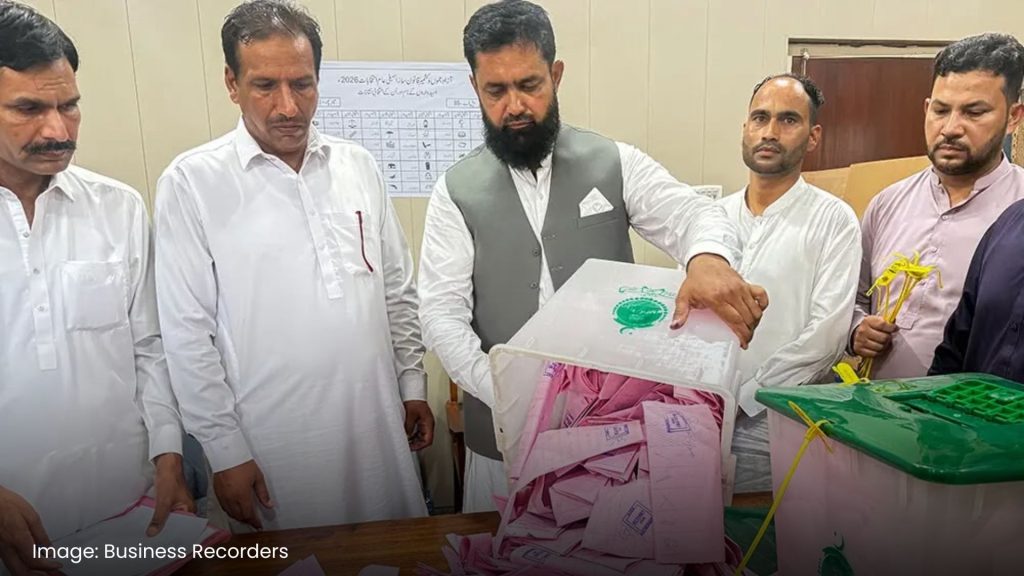
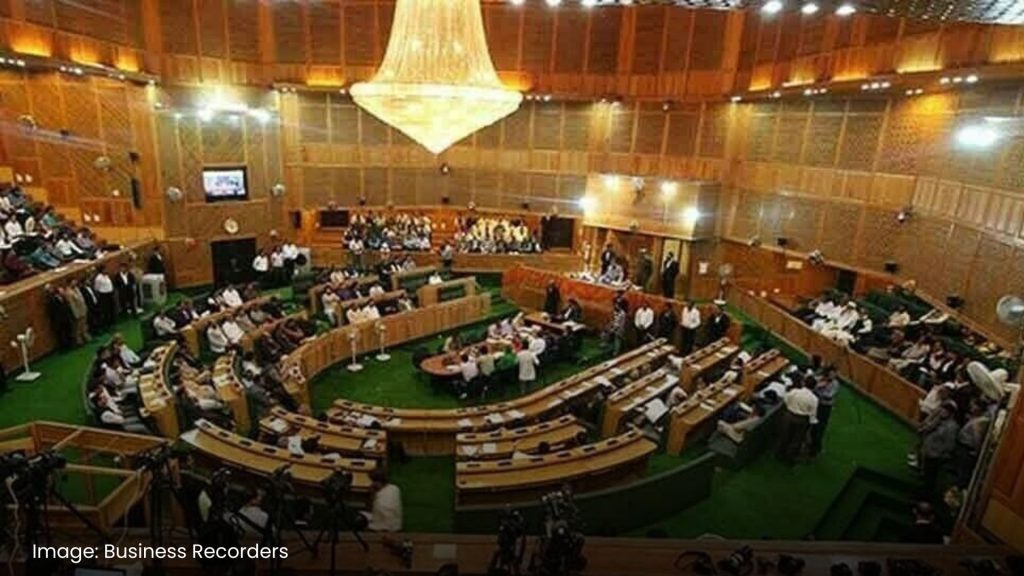
The first phase of voting for the Azad Jammu and Kashmir (AJK) Legislative Assembly went ahead on 27 July 2026 across Mirpur Division, but a 35-year-old PPP campaign worker was shot dead in Nakyal while polling was still underway. His party alleges the shooting came from supporters of a rival PML-N candidate, and says footage of the same group firing weapons in public had already circulated two days before the killing.

Why Twelve Seats Are Deciding An Entire Region’s Politics

At the center of months of unrest are twelve Legislative Assembly seats reserved for refugees from Jammu and Kashmir who now live elsewhere in Pakistan. The Jammu Kashmir Joint Awami Action Committee, a grassroots coalition known as JAAC, argues the arrangement lets voters living outside Azad Kashmir shape who governs inside it. Supporters of the current system say it protects the political rights of Kashmiris displaced from their homes. JAAC was formally banned under anti-terrorism law in June, shortly after the dispute reignited.
A Pattern That Keeps Repeating

This is not the region’s first round of this exact fight. A nearly identical wave of protests in September and October 2025 killed between 9 and 15 people across many of the same towns, and officials said at the time that most of the group’s demands had been accepted. Less than a year later, the same organization is back in the streets, and this time it has lost its legal standing altogether.

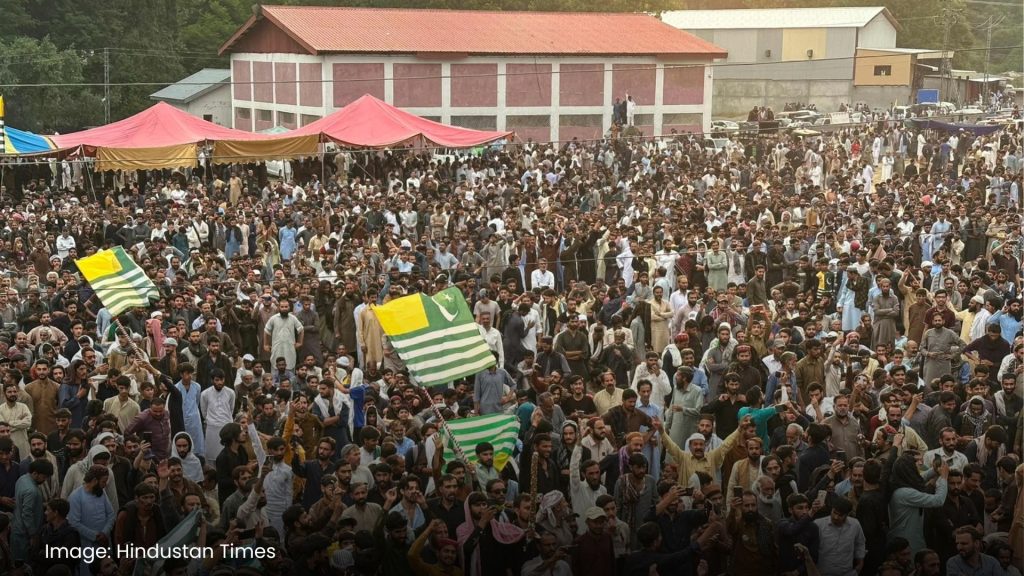
Since this current round began in early June, clashes across Rawalakot and surrounding areas have left roughly 30 people dead, including multiple deaths in a single clash in Dadyal tehsil and several more during the march on Rawalakot that coincided with polling day itself. Authorities have said security personnel were responding to violent unrest and acting to protect public order; protest organizers dispute that characterization and have called for independent investigations.

A Signal Blackout During The Unrest

Independent internet monitor NetBlocks confirmed that access remained severely restricted across the region for several consecutive days during the clashes. JAAC organizers say the disruption made it harder for footage of the unrest, and of Younus’s killing, to reach people outside the region.
Results, And A Demand For Answers

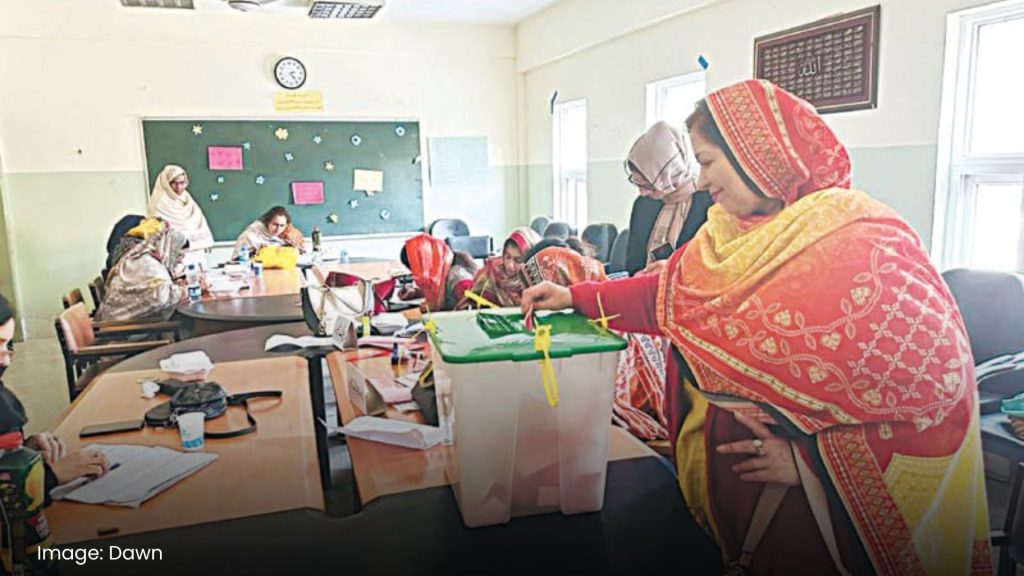
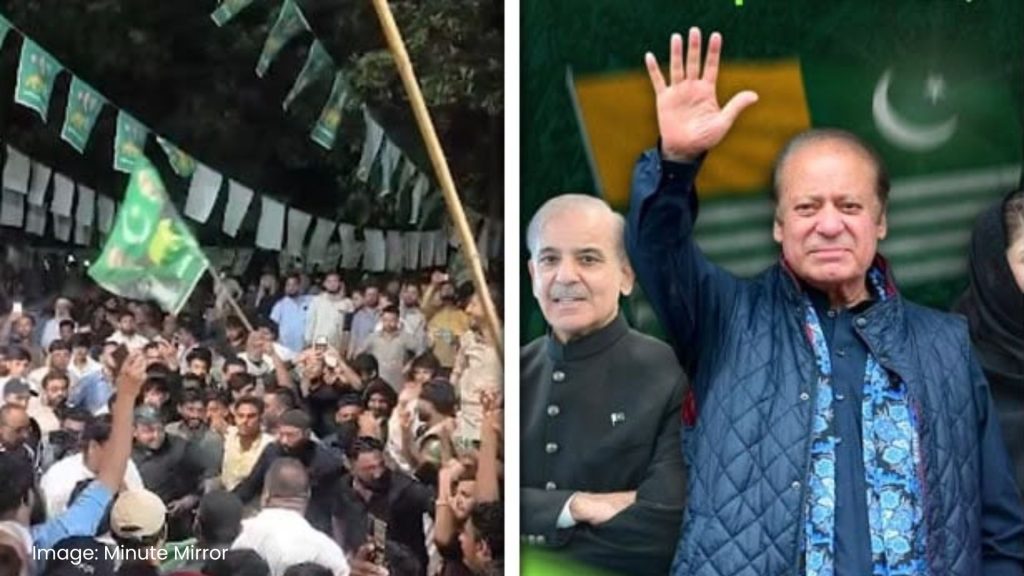
PML-N won nine of the thirteen seats contested in Mirpur Division’s opening phase, with PPP taking the remaining four. PPP chairman Bilawal Bhutto Zardari says he possesses video evidence of irregularities and that attacks occurred at roughly 30 polling stations, and has called for a judicial inquiry commission alongside a longstanding demand for a broader truth and reconciliation commission. Officials have maintained that polling was conducted lawfully and that the phased structure was designed to protect voters.
The Vote That Actually Decides This

Two phases remain. Muzaffarabad division and, critically, the twelve refugee constituencies vote on August 2, the exact seats this entire protest movement exists to contest. Poonch division follows on August 10. Whichever way that vote breaks, it will determine whether Azad Kashmir moves past this cycle or repeats it again next year.

By Shizza Umer

HYPERLINKED SOURCES

Dawn · The Express Tribune · Arab News · Arab News PK · Al Jazeera · Geo News · Samaa · Daily Times · Wikipedia/AP cross-ref

A Campaign Worker Didn’t Survive Election Day

The first phase of voting for the Azad Jammu and Kashmir (AJK) Legislative Assembly went ahead on 27 July 2026 across Mirpur Division, but a 35-year-old PPP campaign worker was shot dead in Nakyal while polling was still underway. His party alleges the shooting came from supporters of a rival PML-N candidate, and says footage of the same group firing weapons in public had already circulated two days before the killing.

Why Twelve Seats Are Deciding An Entire Region’s Politics

At the center of months of unrest are twelve Legislative Assembly seats reserved for refugees from Jammu and Kashmir who now live elsewhere in Pakistan. The Jammu Kashmir Joint Awami Action Committee, a grassroots coalition known as JAAC, argues the arrangement lets voters living outside Azad Kashmir shape who governs inside it. Supporters of the current system say it protects the political rights of Kashmiris displaced from their homes. JAAC was formally banned under anti-terrorism law in June, shortly after the dispute reignited.

A Pattern That Keeps Repeating

This is not the region’s first round of this exact fight. A nearly identical wave of protests in September and October 2025 killed between 9 and 15 people across many of the same towns, and officials said at the time that most of the group’s demands had been accepted. Less than a year later, the same organization is back in the streets, and this time it has lost its legal standing altogether.

Since this current round began in early June, clashes across Rawalakot and surrounding areas have left roughly 30 people dead, including multiple deaths in a single clash in Dadyal tehsil and several more during the march on Rawalakot that coincided with polling day itself. Authorities have said security personnel were responding to violent unrest and acting to protect public order; protest organizers dispute that characterization and have called for independent investigations.

A Signal Blackout During The Unrest

Independent internet monitor NetBlocks confirmed that access remained severely restricted across the region for several consecutive days during the clashes. JAAC organizers say the disruption made it harder for footage of the unrest, and of Younus’s killing, to reach people outside the region.

Results, And A Demand For Answers

PML-N won nine of the thirteen seats contested in Mirpur Division’s opening phase, with PPP taking the remaining four. PPP chairman Bilawal Bhutto Zardari says he possesses video evidence of irregularities and that attacks occurred at roughly 30 polling stations, and has called for a judicial inquiry commission alongside a longstanding demand for a broader truth and reconciliation commission. Officials have maintained that polling was conducted lawfully and that the phased structure was designed to protect voters.
The Vote That Actually Decides This

Two phases remain. Muzaffarabad division and, critically, the twelve refugee constituencies vote on August 2, the exact seats this entire protest movement exists to contest. Poonch division follows on August 10. Whichever way that vote breaks, it will determine whether Azad Kashmir moves past this cycle or repeats it again next year.

By Shizza Umer

HYPERLINKED SOURCES

Dawn · The Express Tribune · Arab News · Arab News PK · Al Jazeera · Geo News · Samaa · Daily Times · Wikipedia/AP cross-ref
spot_img

Explore more

spot_img
Global Affairs

What If the Uyghur Story Is Both a Human Rights Crisis...

Project Panama: Is AI Colonising the World’s Books?

The COVID narrative is unraveling. Who lied, who profited, and why...

Man Charged With “Death to Islam” Threats Against Muslim Sheriff, and...

How Isr*el Built a $730 Million Global Influence Machine

WHAT KIND OF WORLD TURNS RACIST ABUSE OF A BLACK AUTISTIC...

Commanders Allegedly Told US Troops Trump Was Anointed By Jesus For...

Five Historic Mosques Were Demolished To Widen A Road To Modi’s...