The COVID narrative is unraveling. Who lied, who profited, and why won’t Fauci answer?

Anthony Fauci’s Senate hearing reopens the COVID accountability debate

Anthony Fauci’s appearance before the U.S. Senate has reopened questions that many governments, health agencies and media institutions spent years treating as settled.

During the July 29, 2026 hearing, Fauci repeatedly invoked his Fifth Amendment right against self-incrimination and declined to answer more than 100 questions. Exercising that right is not proof of guilt. Fauci and his legal team argued that Senator Rand Paul’s investigation was politically motivated and designed to expose him to prosecution. Paul argued that a former public official whose decisions influenced millions of lives should answer questions about the pandemic response.

The hearing did not settle the COVID debate. It demonstrated how unresolved that debate remains.
Why did Anthony Fauci invoke the Fifth Amendment?

The Fifth Amendment protects individuals from being compelled to incriminate themselves. Fauci’s representatives said he faced a genuine threat of prosecution and therefore had grounds to remain silent.

Republicans argued that former President Joe Biden’s pre-emptive pardon weakened that justification. Fauci’s lawyers disputed that interpretation, while Paul announced plans for a committee vote on whether Fauci should be held in contempt.

The legal argument is complicated. The political consequence is simpler: the person most closely associated with America’s pandemic response declined to publicly defend key parts of that record under oath.

COVID lab-leak questions remain unresolved

The origins of COVID-19 remain contested. Most virologists and the broader scientific community continue to favor a natural spillover origin. Among U.S. intelligence agencies, the picture is split: the FBI and CIA have assessed a laboratory-related origin as more likely, with the CIA holding that view at low confidence, while other agencies and the National Intelligence Council continue to favor natural origin or remain undecided. Fauci has consistently said the available scientific evidence favors natural emergence.

Republicans used entries from Fauci’s pandemic-era diary to argue that scientists privately considered a possible laboratory origin while officials publicly projected greater certainty. Fauci’s supporters responded that the diary showed normal scientific discussion during an evolving emergency and was consistent with his public position.

The central accountability question is not whether scientists debated competing possibilities. They should have. It is whether the uncertainty discussed privately was communicated honestly to the public.

COVID censorship and the suppression of dissent

The pandemic also transformed the boundaries of acceptable public debate.

Doctors, researchers and journalists who challenged lockdowns, school closures, mask policies, vaccine mandates or official origin narratives sometimes faced professional criticism, content removal or reduced online reach. Public-health authorities and technology companies argued that aggressive moderation was needed to limit dangerous misinformation during a fast-moving emergency.

That defence does not eliminate the need for scrutiny. Scientific claims develop through challenge, evidence and correction. When institutions treat disputed positions as settled facts, they risk turning public-health communication into political enforcement.

The resulting damage to trust may outlast the pandemic itself.

The long-term cost of COVID lockdowns

Lockdowns were introduced to slow transmission and prevent hospitals from being overwhelmed. Supporters maintain that emergency restrictions reduced infections and deaths, particularly before vaccines became widely available.

But lockdowns also carried major costs.

School closures disrupted education. Business restrictions devastated livelihoods. Social isolation affected mental health. Those harms were not distributed equally, and poorer families generally had fewer resources to absorb them.

The unresolved issue is not whether governments faced a difficult emergency. They did. It is whether officials measured the consequences of their policies with the same urgency used to impose them.

COVID vaccine risks and public transparency

COVID vaccines were developed and distributed at extraordinary speed and were credited with reducing severe illness and death.

Regulators also recognised rare but serious adverse events. The CDC has documented myocarditis and pericarditis following mRNA vaccination, as well as thrombosis with thrombocytopenia syndrome and Guillain-Barré syndrome associated particularly with the Janssen vaccine.

The existence of rare adverse events does not establish that vaccination was broadly unsafe. It does raise a legitimate communication question: were authorities as transparent about risk as they were forceful in promoting vaccination?
Public confidence depends on institutions acknowledging uncertainty and harm rather than treating every concern as hostility to science.

Pharmaceutical profits and publicly funded vaccines

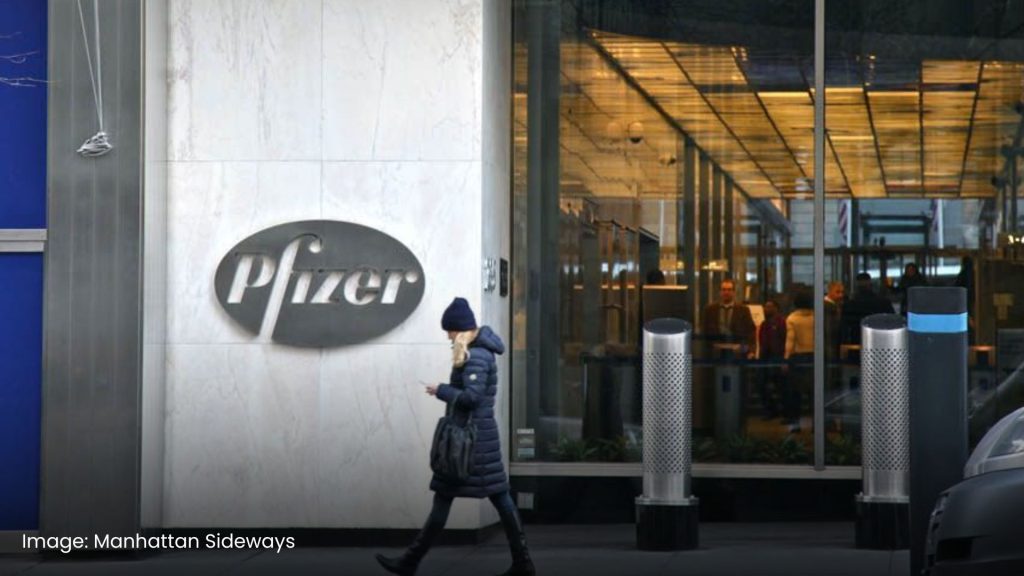
Governments funded vaccine research, supported manufacturing and guaranteed enormous procurement contracts. Pharmaceutical companies consequently received vast revenues during the pandemic, in what was one of the most profitable periods in pharmaceutical history.

Supporters argue that profit incentives allowed companies to develop and manufacture vaccines at unprecedented speed. Critics argue that public investment, guaranteed purchases and corporate protections should have produced far stronger disclosure and oversight.

The question is not whether pharmaceutical companies were entitled to earn money. It is whether governments adequately protected the public interest after assuming so much of the financial risk.

What Fauci’s silence means for COVID accountability

Fauci’s invocation of the Fifth Amendment does not prove the allegations made against him, and the hearing didn’t establish that every criticism of the pandemic response was correct. It does expose a continuing accountability crisis that institutions can’t resolve by insisting the public stop asking.

After years of mandates, restrictions and official certainty, does Anthony Fauci owe the world a fuller explanation?

By Shizza Umer

Sources

U.S. Senate Committee on Homeland Security and Governmental Affairs: Testimony of Anthony Fauci  ·  Reuters  ·  Associated Press  ·  AP: Diary Takeaways  ·  Sen. Rand Paul: Diary Documents  ·  CDC: Vaccine Safety  ·  CDC: Adverse Events  ·  GAO: Operation Warp Speed  ·  GAO: Federal Vaccine Funding  ·  GAO: Vaccine Contracts
Anthony Fauci’s Senate hearing reopens the COVID accountability debate

Anthony Fauci’s appearance before the U.S. Senate has reopened questions that many governments, health agencies and media institutions spent years treating as settled.

During the July 29, 2026 hearing, Fauci repeatedly invoked his Fifth Amendment right against self-incrimination and declined to answer more than 100 questions. Exercising that right is not proof of guilt. Fauci and his legal team argued that Senator Rand Paul’s investigation was politically motivated and designed to expose him to prosecution. Paul argued that a former public official whose decisions influenced millions of lives should answer questions about the pandemic response.

The hearing did not settle the COVID debate. It demonstrated how unresolved that debate remains.

Why did Anthony Fauci invoke the Fifth Amendment?

The Fifth Amendment protects individuals from being compelled to incriminate themselves. Fauci’s representatives said he faced a genuine threat of prosecution and therefore had grounds to remain silent.

Republicans argued that former President Joe Biden’s pre-emptive pardon weakened that justification. Fauci’s lawyers disputed that interpretation, while Paul announced plans for a committee vote on whether Fauci should be held in contempt.

The legal argument is complicated. The political consequence is simpler: the person most closely associated with America’s pandemic response declined to publicly defend key parts of that record under oath.

COVID lab-leak questions remain unresolved

The origins of COVID-19 remain contested. Most virologists and the broader scientific community continue to favor a natural spillover origin. Among U.S. intelligence agencies, the picture is split: the FBI and CIA have assessed a laboratory-related origin as more likely, with the CIA holding that view at low confidence, while other agencies and the National Intelligence Council continue to favor natural origin or remain undecided. Fauci has consistently said the available scientific evidence favors natural emergence.

Republicans used entries from Fauci’s pandemic-era diary to argue that scientists privately considered a possible laboratory origin while officials publicly projected greater certainty. Fauci’s supporters responded that the diary showed normal scientific discussion during an evolving emergency and was consistent with his public position.

The central accountability question is not whether scientists debated competing possibilities. They should have. It is whether the uncertainty discussed privately was communicated honestly to the public.

COVID censorship and the suppression of dissent

The pandemic also transformed the boundaries of acceptable public debate.

Doctors, researchers and journalists who challenged lockdowns, school closures, mask policies, vaccine mandates or official origin narratives sometimes faced professional criticism, content removal or reduced online reach. Public-health authorities and technology companies argued that aggressive moderation was needed to limit dangerous misinformation during a fast-moving emergency.

That defence does not eliminate the need for scrutiny. Scientific claims develop through challenge, evidence and correction. When institutions treat disputed positions as settled facts, they risk turning public-health communication into political enforcement.

The resulting damage to trust may outlast the pandemic itself.

The long-term cost of COVID lockdowns

Lockdowns were introduced to slow transmission and prevent hospitals from being overwhelmed. Supporters maintain that emergency restrictions reduced infections and deaths, particularly before vaccines became widely available.

But lockdowns also carried major costs.

School closures disrupted education. Business restrictions devastated livelihoods. Social isolation affected mental health. Those harms were not distributed equally, and poorer families generally had fewer resources to absorb them.

The unresolved issue is not whether governments faced a difficult emergency. They did. It is whether officials measured the consequences of their policies with the same urgency used to impose them.

COVID vaccine risks and public transparency

COVID vaccines were developed and distributed at extraordinary speed and were credited with reducing severe illness and death.

Regulators also recognised rare but serious adverse events. The CDC has documented myocarditis and pericarditis following mRNA vaccination, as well as thrombosis with thrombocytopenia syndrome and Guillain-Barré syndrome associated particularly with the Janssen vaccine.

The existence of rare adverse events does not establish that vaccination was broadly unsafe. It does raise a legitimate communication question: were authorities as transparent about risk as they were forceful in promoting vaccination?

Public confidence depends on institutions acknowledging uncertainty and harm rather than treating every concern as hostility to science.

Pharmaceutical profits and publicly funded vaccines

Governments funded vaccine research, supported manufacturing and guaranteed enormous procurement contracts. Pharmaceutical companies consequently received vast revenues during the pandemic, in what was one of the most profitable periods in pharmaceutical history.

Supporters argue that profit incentives allowed companies to develop and manufacture vaccines at unprecedented speed. Critics argue that public investment, guaranteed purchases and corporate protections should have produced far stronger disclosure and oversight.

The question is not whether pharmaceutical companies were entitled to earn money. It is whether governments adequately protected the public interest after assuming so much of the financial risk.

What Fauci’s silence means for COVID accountability

Fauci’s invocation of the Fifth Amendment does not prove the allegations made against him, and the hearing didn’t establish that every criticism of the pandemic response was correct. It does expose a continuing accountability crisis that institutions can’t resolve by insisting the public stop asking.

After years of mandates, restrictions and official certainty, does Anthony Fauci owe the world a fuller explanation?

By Shizza Umer

Sources

U.S. Senate Committee on Homeland Security and Governmental Affairs: Testimony of Anthony Fauci  ·  Reuters  ·  Associated Press  ·  AP: Diary Takeaways  ·  Sen. Rand Paul: Diary Documents  ·  CDC: Vaccine Safety  ·  CDC: Adverse Events  ·  GAO: Operation Warp Speed  ·  GAO: Federal Vaccine Funding  ·  GAO: Vaccine Contracts

spot_img

Explore more

spot_img
Global Affairs

What If the Uyghur Story Is Both a Human Rights Crisis...

Project Panama: Is AI Colonising the World’s Books?

Man Charged With “Death to Islam” Threats Against Muslim Sheriff, and...

THE FIRST PHASE OF VOTING IS OVER. THE POLITICAL CRISIS IN...

How Isr*el Built a $730 Million Global Influence Machine

WHAT KIND OF WORLD TURNS RACIST ABUSE OF A BLACK AUTISTIC...

Commanders Allegedly Told US Troops Trump Was Anointed By Jesus For...

Five Historic Mosques Were Demolished To Widen A Road To Modi’s...