

A Playground Confrontation Became a National Spectacle
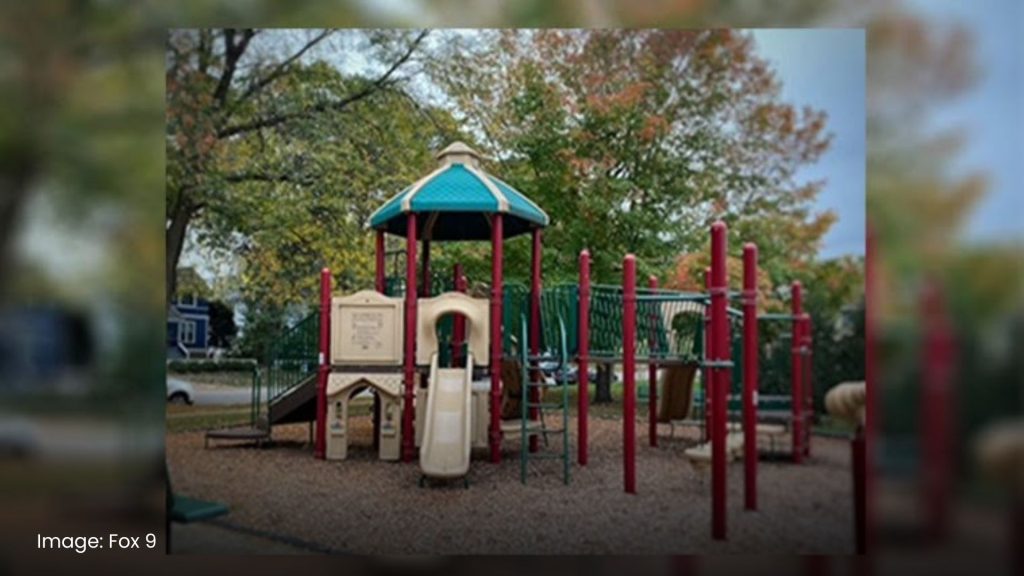
On April 28, 2025, Shiloh Hendrix confronted an eight-year-old Black autistic child at Roy Sutherland Playground in Rochester, Minnesota, after he took applesauce from a bag belonging to her family. During the confrontation, Hendrix repeatedly used a racial slur while the child’s father and other adults were nearby.
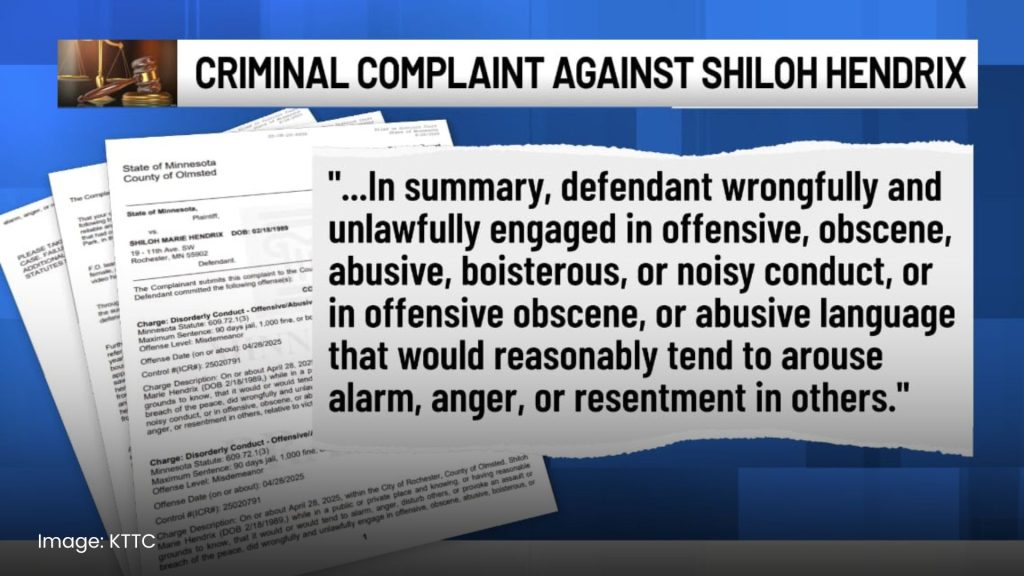
Bystander Sharmake Omar began recording, and the footage spread nationally once posted online. Hendrix later admitted using the language, though her defense argued offensive words alone did not necessarily satisfy Minnesota’s disorderly-conduct law.
The Backlash Made Her Wealthier, Even After Conviction
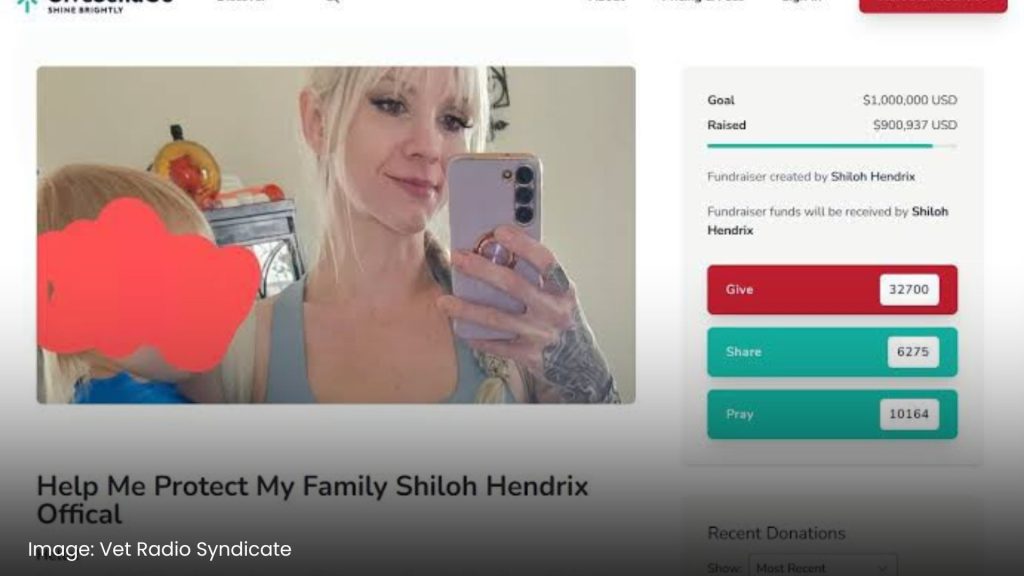
After Hendrix was identified online, she launched a GiveSendGo campaign titled “Help Me Protect My Family,” claiming she and her relatives had been threatened and needed to relocate. The fundraiser has now surged past $920,000 toward a $1 million goal, with a fresh wave of donations arriving in the days after her conviction, not before it. Some donations reportedly included racist messages.
The Rochester NAACP established a separate fund for the child’s family, which has raised more than $330,000, held in trust for the child.
The Verdict Was Not What Many Headlines Suggested
Hendrix stood trial on two misdemeanor disorderly-conduct charges. After four days of testimony, a six-person jury delivered a split verdict: she was acquitted on the count involving her conduct toward the child, and convicted on the count involving her confrontation with Sharmake Omar, the man who filmed her.

That distinction matters. Hendrix was not legally convicted over the count most directly connected to the racial abuse of the child. Her defense attorney, Brian Karalus, criticized the outcome and confirmed he will appeal, arguing the prosecution crossed into constitutionally protected speech.
The Courtroom Consequences Barely Touched the Fundraising Reward
Hendrix received a $1,000 fine, one year of probation, 200 hours of community service, and a 90-day jail sentence that stays if she complies with probation, meaning she will serve no jail time unless she violates its terms.
Set against a fundraiser now past $920,000, that fine represents roughly one dollar for every $920 donated. The judgment did not require her to return the donations, surrender fundraiser proceeds, or compensate the child’s family. The Rochester City Attorney’s Office said Hendrix had admitted to hateful and racist conduct, had profited immensely, and had shown no remorse.
When Hate Becomes a Business Model
The case exposes a problem larger than one defendant or one viral video. Online fundraising allows public condemnation to be reframed as persecution, letting someone facing consequences present themselves as a victim of censorship and convert notoriety into income.
The danger is not only that racist conduct may be rewarded. It is that others may learn from the reward, and that a fundraiser growing after a guilty verdict, not despite it, sends its own message about where the real consequences land.
The trial may be over, but the deeper question remains: what kind of society is being built when humiliating a vulnerable child can become more profitable than protecting one?
By Shizza Umer
Hyperlinked Sources