From Paris to Manila, Streets Erupt on May Day

What’s Happening

Across three continents, May Day turned into a synchronized surge of unrest rather than a symbolic labor event.

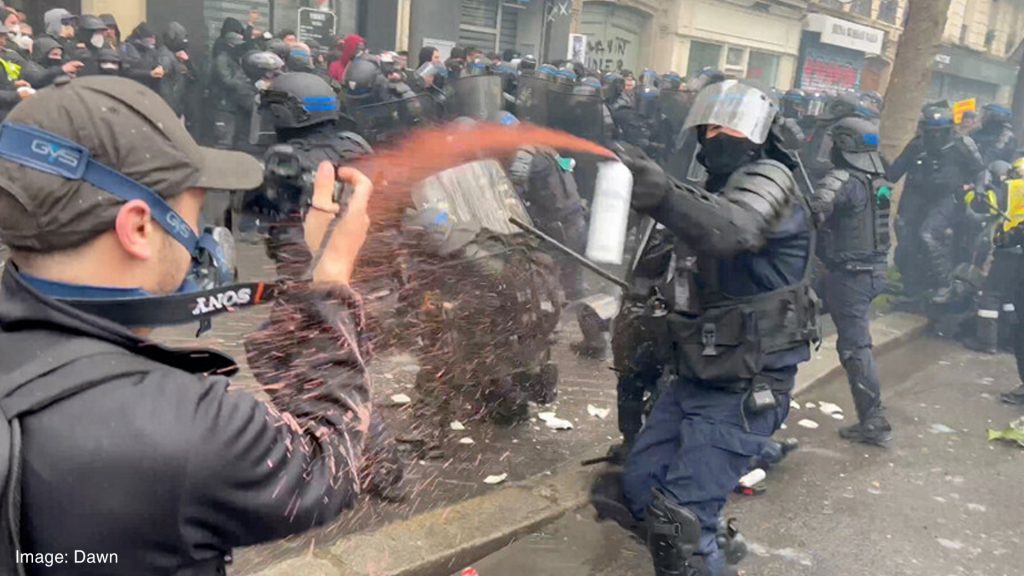
In Paris, thousands marched and clashed with police as tear gas spread through parts of the city. The protests were fueled by frustration over wages, pensions, and a cost of living that remains elevated despite easing inflation.

In Istanbul, authorities blocked access to Taksim Square, triggering immediate escalation. At least 57 protesters were detained, and police used tear gas to disperse crowds attempting to reach the site.

In Manila, tensions turned physical outside the US embassy. Protesters clashed with riot police, leaving at least seven officers injured.

Across Berlin, Madrid, and London, tens of thousands joined demonstrations. While some remained controlled, others escalated, but the messaging stayed consistent.

In the United States, protests in cities like New York focused on inequality and opposition to a proposed 70 billion dollar increase in immigration enforcement funding.
Why It Matters

The scale matters. But the alignment matters more.

Different countries are reacting to the same economic pressure. Even where inflation rates have stabilized, the cumulative impact remains severe. In parts of Europe, food prices are still 20 to 30 percent higher than pre-2021 levels, and in cities like London and New York, rents have surged 30 to 50 percent in recent years while wage growth has not kept pace in many sectors.

That gap is where the anger is coming from.

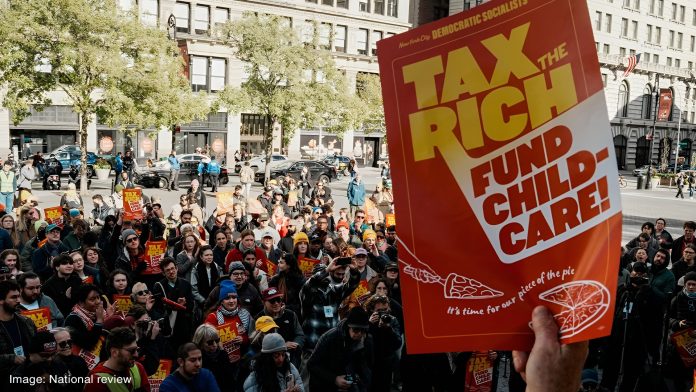
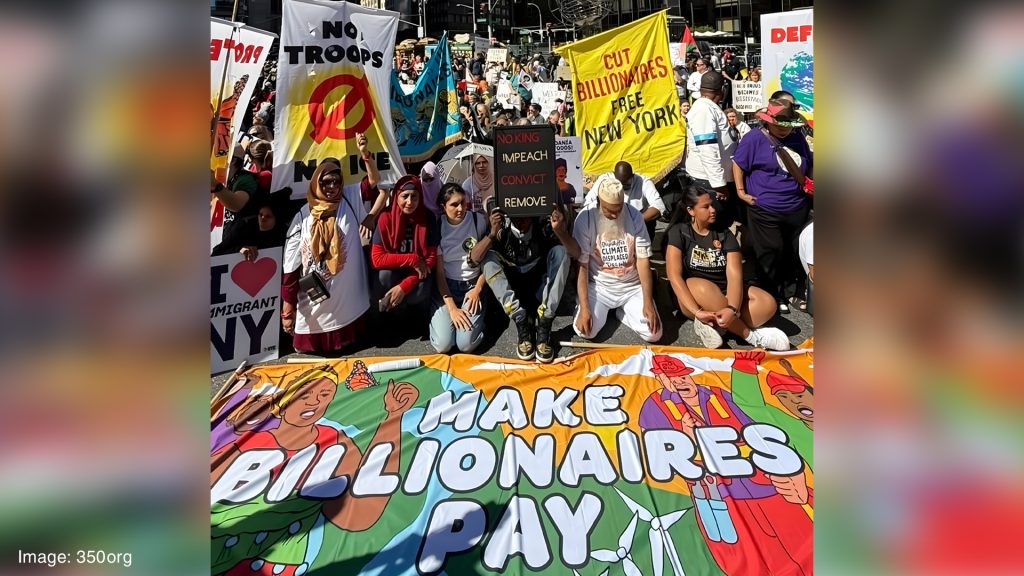
The phrase “tax the rich” appearing across multiple countries reflects a broader perception that economic gains have been unevenly distributed. Governments are announcing large allocations toward enforcement and security while households continue to feel financial strain.

Bigger Picture

This is becoming a pattern.

May Day is no longer just about labor rights. It is evolving into a global pressure point where economic frustration, political distrust, and foreign policy grievances converge. The protests in Manila targeting US policy show how international conflicts are now feeding domestic anger. The lines between local and global issues are fading.

And the protests themselves are starting to look identical across regions. Same slogans. Same escalation. Same response.
Historically, when different societies begin reacting in the same way at the same time, it signals something structural rather than temporary.

What Next

The streets will clear. They always do.

But the conditions behind this remain. Costs are still elevated. Wage growth is uneven. Housing pressure is not easing. And geopolitical tensions continue to ripple into everyday life.

These protests are no longer isolated events. They are repeating, expanding, and syncing across borders. If the underlying pressures are not addressed, the next wave will not just be larger. It will arrive before anyone is ready for it.

Sources: Reuters, BBC, AP News, The Guardian, Al Jazeera, PBS, CNN

What’s Happening

Across three continents, May Day turned into a synchronized surge of unrest rather than a symbolic labor event.

In Paris, thousands marched and clashed with police as tear gas spread through parts of the city. The protests were fueled by frustration over wages, pensions, and a cost of living that remains elevated despite easing inflation.

In Istanbul, authorities blocked access to Taksim Square, triggering immediate escalation. At least 57 protesters were detained, and police used tear gas to disperse crowds attempting to reach the site.

In Manila, tensions turned physical outside the US embassy. Protesters clashed with riot police, leaving at least seven officers injured.

Across Berlin, Madrid, and London, tens of thousands joined demonstrations. While some remained controlled, others escalated, but the messaging stayed consistent.

In the United States, protests in cities like New York focused on inequality and opposition to a proposed 70 billion dollar increase in immigration enforcement funding.

Why It Matters

The scale matters. But the alignment matters more.

Different countries are reacting to the same economic pressure. Even where inflation rates have stabilized, the cumulative impact remains severe. In parts of Europe, food prices are still 20 to 30 percent higher than pre-2021 levels, and in cities like London and New York, rents have surged 30 to 50 percent in recent years while wage growth has not kept pace in many sectors.

That gap is where the anger is coming from.

The phrase “tax the rich” appearing across multiple countries reflects a broader perception that economic gains have been unevenly distributed. Governments are announcing large allocations toward enforcement and security while households continue to feel financial strain.

Bigger Picture

This is becoming a pattern.

May Day is no longer just about labor rights. It is evolving into a global pressure point where economic frustration, political distrust, and foreign policy grievances converge. The protests in Manila targeting US policy show how international conflicts are now feeding domestic anger. The lines between local and global issues are fading.

And the protests themselves are starting to look identical across regions. Same slogans. Same escalation. Same response.

Historically, when different societies begin reacting in the same way at the same time, it signals something structural rather than temporary.

What Next

The streets will clear. They always do.

But the conditions behind this remain. Costs are still elevated. Wage growth is uneven. Housing pressure is not easing. And geopolitical tensions continue to ripple into everyday life.

These protests are no longer isolated events. They are repeating, expanding, and syncing across borders. If the underlying pressures are not addressed, the next wave will not just be larger. It will arrive before anyone is ready for it.

Sources: Reuters, BBC, AP News, The Guardian, Al Jazeera, PBS, CNN
spot_img

Explore more

spot_img
Business

From Settlement Sales To Celebrity Ads: The Business Of Selling Israeli...

Bodies Of Evidence: The Explosive Al Jazeera Film Exposing Horrors Inside...

Isr*el Is Burning Lebanon From The Sky

Saudi Arabia Just Dug Up The Words Of Islam’s Second Caliph,...

The Most Hostile World Cup Ever

The Ceasefire Died Near Hormuz Last Night.

Your Closest Ally Is Spying On You.

AJK Is At A Crossroads. What Happens Next?