Iran Says the Strait Is Closed. The US Says It’s Open. Who’s Really in Control
Maryam Tariq
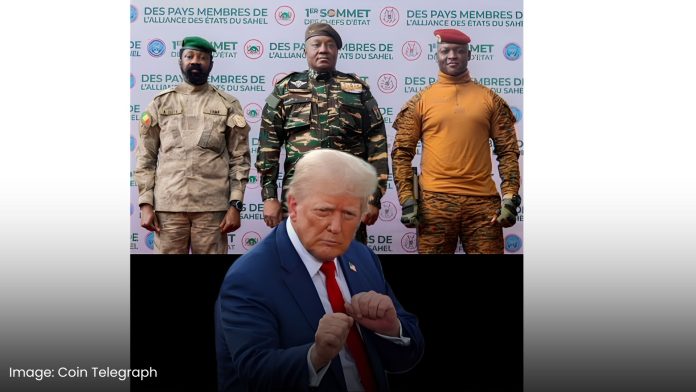
President Donald Trump said Sunday that the United States hit Iran very hard overnight and that the Strait of Hormuz remains open to commercial traffic. Iran’s own maritime authority said the opposite the same day, declaring the strait closed until further notice. The dispute sounds like a simple disagreement over facts, but it points to a deeper question neither side wants to answer directly, who is actually allowed to decide whether Hormuz is open.
What Trump Said About Hitting Iran Very Hard
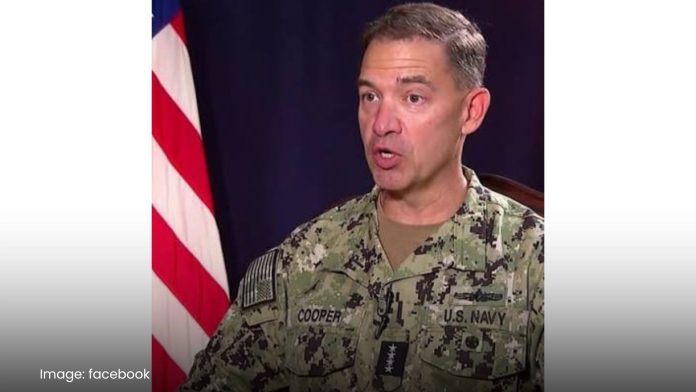
Speaking to CNN by phone, Trump said the US and Iran had been close to a deal on Saturday, describing Iran as giving up everything, before Iran struck a commercial vessel with a drone two hours later. We hit them very hard last night, he said, adding that something was wrong with Iran’s leadership for derailing talks that close to completion. He later told NBC the strait was open for commercial traffic, a position CENTCOM echoed the same day, stating that Iran does not control the strait and that traffic is flowing.
What Iran Says About the Strait Being Closed
Iran’s Persian Gulf Strait Authority issued a conflicting statement, saying passage through Hormuz would remain closed, citing what it called illegal movements by CENTCOM over the past week. The agency said permits would only be reviewed once stability and calm are restored. This is not a minor disagreement over wording. One government is telling shipping companies the route is safe and open, the other is telling them it is not, and both statements are being made with equal confidence.
Who Actually Controls the Strait of Hormuz Under International Law
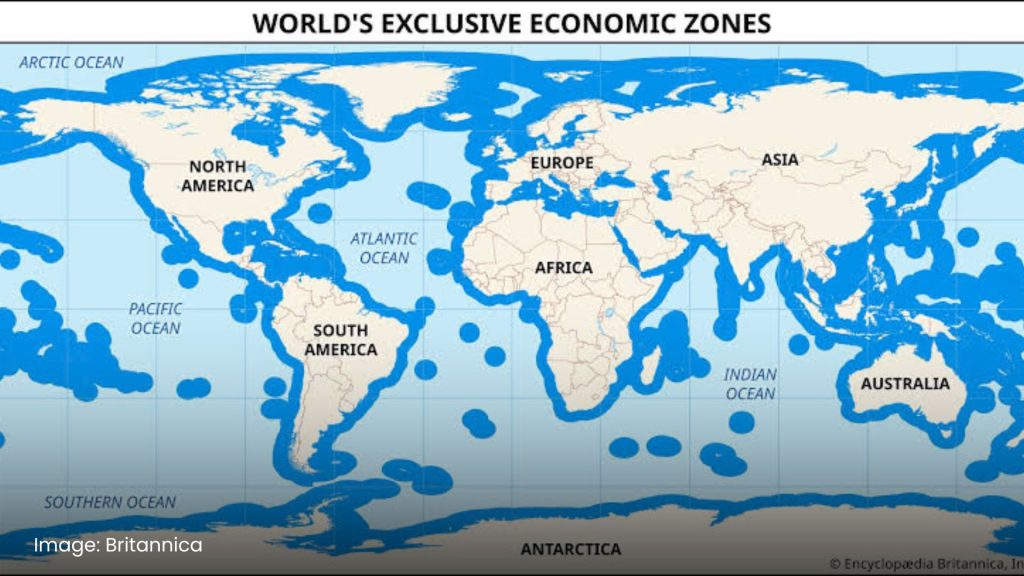
This is where the deeper issue sits. The Strait of Hormuz is governed by a principle in international maritime law called transit passage, a rule that generally does not allow any single state bordering a strait to charge tolls or bar lawful passage through it. That rule exists specifically because a waterway carrying roughly 20 percent of the world’s oil and LNG cannot function if one country gets to unilaterally decide who passes and when. Analysts have noted that Iran has tried to leverage ambiguous language in last month’s ceasefire memorandum, which discusses defining the future administration of the strait, to claim an ongoing regulatory role it does not clearly have under standard maritime law. The US, meanwhile, asserts an ability to guarantee freedom of navigation through military presence rather than legal authority. Neither claim to control is as solid as either government is presenting it.
What Ship Tracking Data Shows Instead
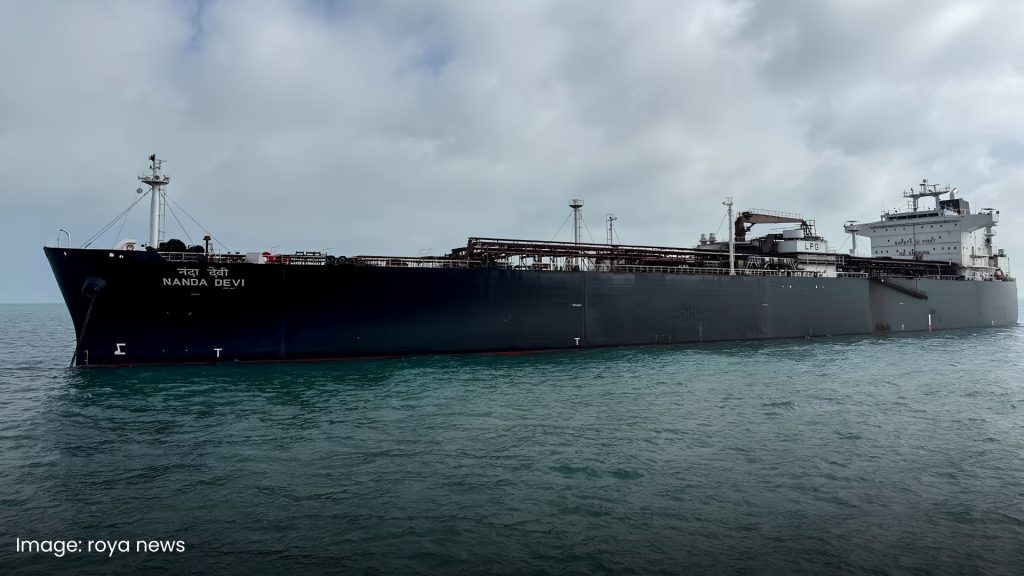
Independent tracking data cuts through both claims more effectively than either statement does. Traffic through the strait was reduced to a trickle over the weekend, regardless of CENTCOM’s insistence that vessels are moving freely or Iran’s declaration that passage is closed. Shipping companies and insurers appear to be making decisions based on risk assessment and real time tracking, not government statements, which tells its own story about how much either side’s claim to control is actually trusted on the water. Nearly 6,000 seafarers remain stranded in the Gulf as a result, and Brent crude has climbed to 78.14 dollars a barrel amid the uncertainty.
Why This Distinction Matters Going Forward
The practical difference between open and closed is being fought out in statements and press briefings, but the legal and operational reality is that Hormuz was never meant to be any one country’s to open or close. What this weekend actually revealed is less about whether Iran or the US is telling the truth, and more about how much authority either country is willing to assume over a waterway that legally belongs to neither of them. Until that gap between claimed control and actual control narrows, tracking data, insurance premiums, and stranded crews will likely keep telling a more reliable story than either government’s press statement.
Sources:
· Trump says US hit Iran very hard and the Strait of Hormuz is open — Washington Times: https://www.washingtontimes.com/news/2026/jul/12/trump-says-us-hit-iran-hard-strait-hormuz-open/
· US launches further strikes on Iran as the two nations disagree over status of Strait of Hormuz — Washington Times: https://www.washingtontimes.com/news/2026/jul/12/us-iran-trade-strikes-dispute-control-strait-hormuz-escalates/
· US and Iran exchange strikes as Strait of Hormuz standoff escalates — CNBC: https://www.cnbc.com/2026/07/13/us-iran-war-hormuz-oil-trump.html
· The Strait of Hormuz already faces a tough recovery, now Trump’s Iran deal is unraveling — Council on Foreign Relations: https://www.cfr.org/articles/strait-of-hormuz-traffic-faced-a-long-road-to-recovery-now-the-iran-deal-is-unraveling