Is the Iran war really over?

What’s happening

Trump called it terminated. Then the negotiators sat down.

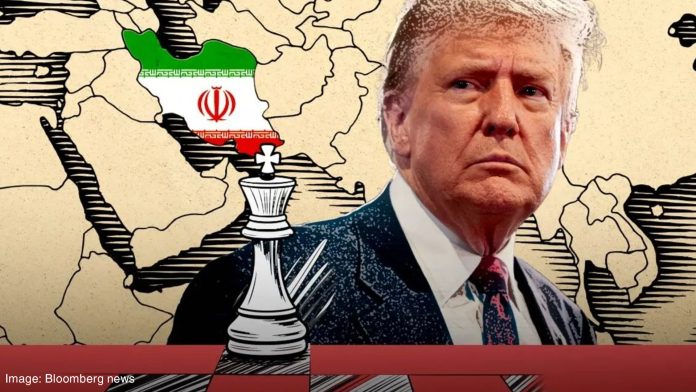
That is the contradiction sitting at the centre of this story. The US has officially told Congress that hostilities with Iran have ended, citing a pause in direct military exchanges since early April. At the same moment, Iran has agreed to renewed talks with Washington through Pakistan as an intermediary, while the White House has rejected Tehran’s latest proposal and kept military options firmly on the table.

So the war is over. But the talks required to actually end it are only just beginning again.

That gap between declaration and reality is what this moment is really about.

Why it matters

When a war ends, systems begin to settle. Shipping routes reopen. Prices stabilise. Supply chains breathe.

None of that is happening.

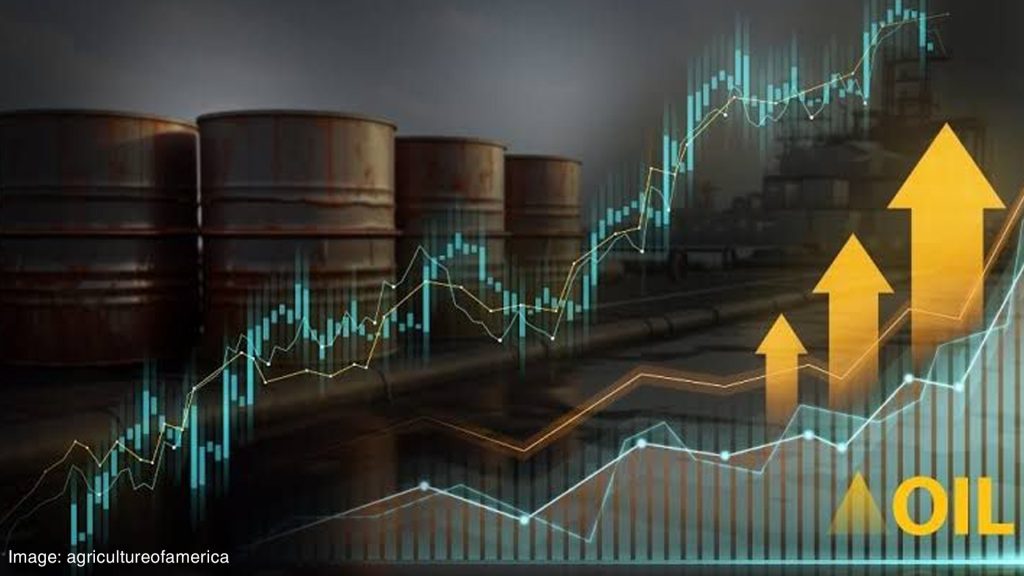
The Strait of Hormuz remains under severe pressure, with tanker traffic running well below normal levels. This single corridor carries close to a third of the world’s oil. When it slows, everything downstream feels it.

Fuel shortages are already surfacing across parts of Asia. Prices are rising again. And this is where it stops being a geopolitical story and becomes an everyday one. Higher fuel costs do not stay in energy markets. They move into food prices, transport costs, electricity bills. They show up in places far removed from where the conflict started.
Bigger picture

This pattern has a name. A war slows just enough to be called a ceasefire. Leaders declare it over. Talks restart. The core issue never moves.

In this case, the core issue is Iran’s nuclear programme and its strategic position across the region. Neither has shifted.

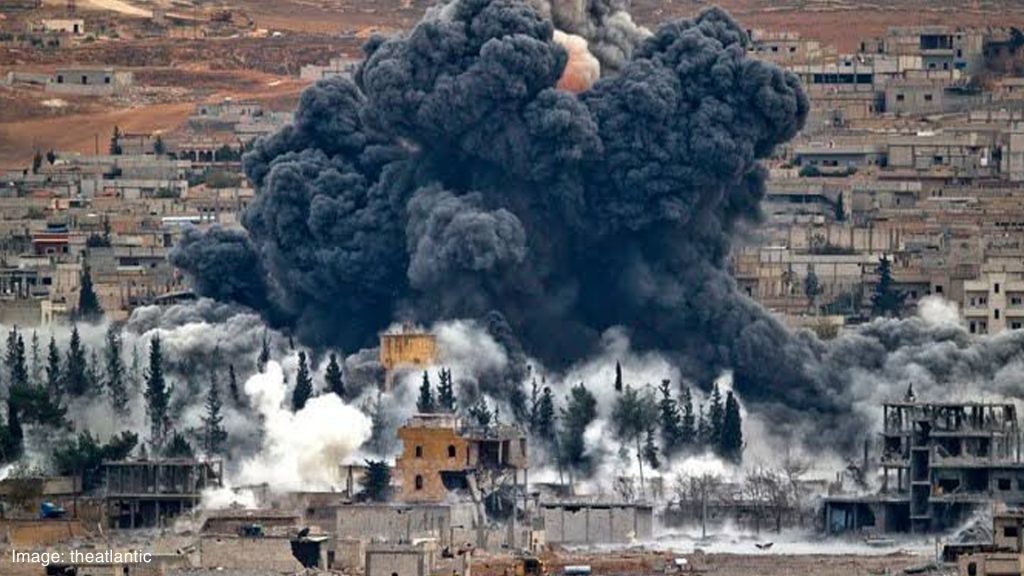
Meanwhile the conflict is spreading sideways. Israeli strikes are continuing in Lebanon. Aid systems are buckling. Humanitarian pressure is building, not easing. The death toll is still climbing.

So instead of resolution, the region is running a loop. War. Pause. Talks. Pressure. Repeat. Each cycle leaves a little more damage behind than the one before.

What next

From here, two paths are open simultaneously.

Talks could move somewhere real this time. Pakistan’s role as a mediator gives both sides a channel that doesn’t require either to publicly concede ground. A framework deal, however imperfect, remains possible.

Or this becomes a slow escalation again. Not one dramatic moment but a series of smaller ones. A failed negotiating round. A tighter blockade. A strike that pulls everything back in.

Both outcomes are live right now. That is precisely what makes this moment unstable.
When a war is declared over, but talks restart immediately and military options stay active, history does not usually point toward peace.

It’s not over.

Sources: Reuters, BBC, CNN, AP News, The Guardian, Al Jazeera, Dawn News
What’s happening

Trump called it terminated. Then the negotiators sat down.

That is the contradiction sitting at the centre of this story. The US has officially told Congress that hostilities with Iran have ended, citing a pause in direct military exchanges since early April. At the same moment, Iran has agreed to renewed talks with Washington through Pakistan as an intermediary, while the White House has rejected Tehran’s latest proposal and kept military options firmly on the table.

So the war is over. But the talks required to actually end it are only just beginning again.

That gap between declaration and reality is what this moment is really about.

Why it matters

When a war ends, systems begin to settle. Shipping routes reopen. Prices stabilise. Supply chains breathe.

None of that is happening.

The Strait of Hormuz remains under severe pressure, with tanker traffic running well below normal levels. This single corridor carries close to a third of the world’s oil. When it slows, everything downstream feels it.

Fuel shortages are already surfacing across parts of Asia. Prices are rising again. And this is where it stops being a geopolitical story and becomes an everyday one. Higher fuel costs do not stay in energy markets. They move into food prices, transport costs, electricity bills. They show up in places far removed from where the conflict started.

Bigger picture

This pattern has a name. A war slows just enough to be called a ceasefire. Leaders declare it over. Talks restart. The core issue never moves.

In this case, the core issue is Iran’s nuclear programme and its strategic position across the region. Neither has shifted.

Meanwhile the conflict is spreading sideways. Israeli strikes are continuing in Lebanon. Aid systems are buckling. Humanitarian pressure is building, not easing. The death toll is still climbing.

So instead of resolution, the region is running a loop. War. Pause. Talks. Pressure. Repeat. Each cycle leaves a little more damage behind than the one before.

What next

From here, two paths are open simultaneously.

Talks could move somewhere real this time. Pakistan’s role as a mediator gives both sides a channel that doesn’t require either to publicly concede ground. A framework deal, however imperfect, remains possible.

Or this becomes a slow escalation again. Not one dramatic moment but a series of smaller ones. A failed negotiating round. A tighter blockade. A strike that pulls everything back in.

Both outcomes are live right now. That is precisely what makes this moment unstable.

When a war is declared over, but talks restart immediately and military options stay active, history does not usually point toward peace.

It’s not over.

Sources: Reuters, BBC, CNN, AP News, The Guardian, Al Jazeera, Dawn News

spot_img

Explore more

spot_img
Business

From Settlement Sales To Celebrity Ads: The Business Of Selling Israeli...

Bodies Of Evidence: The Explosive Al Jazeera Film Exposing Horrors Inside...

Isr*el Is Burning Lebanon From The Sky

Saudi Arabia Just Dug Up The Words Of Islam’s Second Caliph,...

The Most Hostile World Cup Ever

The Ceasefire Died Near Hormuz Last Night.

Your Closest Ally Is Spying On You.

AJK Is At A Crossroads. What Happens Next?