Isr*el Won’t Let The War End And Everyone Else Pays

The Iran Deal Was Close. Then It Stalled

For a brief moment, the Middle East appeared to be moving toward a pause.

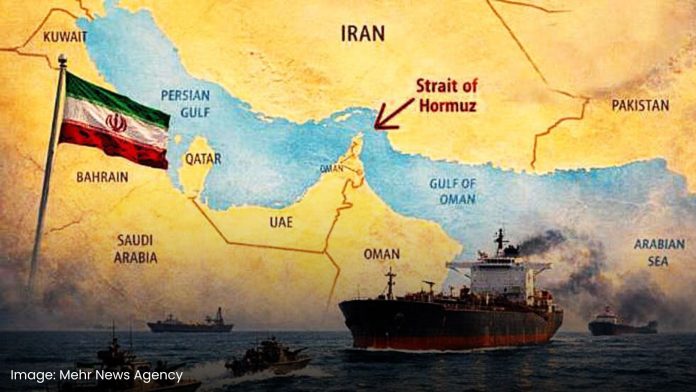
Donald Trump said a U.S.-Iran memorandum was “largely negotiated,” with discussions linked to reopening the Strait of Hormuz, the narrow waterway whose disruption has shaken global energy markets. Iran’s Fars news agency disputed Trump’s claim that the agreement was nearly final, calling it inconsistent with reality. Reuters later reported that Trump said there was “no rush” for an Iran deal and that the U.S. blockade would remain until an agreement was signed.

Then came the last-minute uncertainty. Axios reported that Trump asked for several amendments to the deal during a Situation Room meeting, including changes linked to nuclear terms and the Strait of Hormuz. That left the framework in limbo while the region continued moving in the opposite direction.

This is where the pattern begins.

While diplomats talked about ending one war, Isr*el was expanding across others. In Lebanon, Gaza, and the West Bank, the same contradiction kept appearing: ceasefire language on paper, more control on the ground.

Lebanon Shows The Pattern Most Clearly

Lebanon is now one of the clearest examples.

Reuters reported that Netanyahu ordered Isr*eli troops to move further into Lebanon, six weeks into a ceasefire that was supposed to stop the fighting. Isr*eli forces captured Beaufort Castle and Beaufort Ridge in southern Lebanon, positions with strategic visibility over the area. Lebanon’s government reported at least 2,489 people killed and 7,719 injured since March 2, with more than 1.2 million Lebanese displaced by Israeli strikes and evacuation orders.

That is the contradiction: a ceasefire exists, but the invasion deepens. Diplomacy continues, but the front line moves.

Gaza’s Ceasefire Line Keeps Moving

Gaza tells the same story.

Under the U.S.-brokered truce, Reuters reported that Isr*eli troops were meant to withdraw to a “Yellow Line,” leaving Isr*el in control of about 53% of Gaza. But Reuters also reported that Isr*el had effectively moved beyond that line and that Netanyahu later directed the military to move toward 70% control.

That matters because a ceasefire line is supposed to freeze the battlefield. In Gaza, the line appears to have become something else: a starting point.

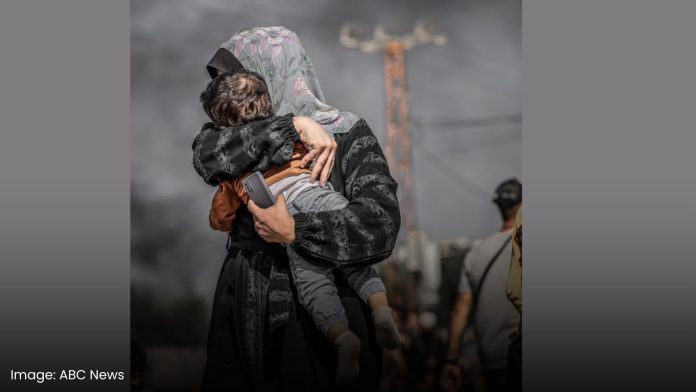
And while the map changes, civilians keep paying. Gaza remains trapped between military control, humanitarian collapse, aid shortages, and a ceasefire that has not delivered real safety.

The West Bank Is The Quieter Front

Away from the daily war headlines, the West Bank is also moving.

Mondoweiss reported that Isr*el’s security cabinet approved 34 new settlements, a decision made in March and revealed in April, the largest single batch approved by any Isr*eli government at one time, bringing Netanyahu’s total to 103 settlements approved since taking office. Chatham House described Isr*el’s actions as accelerating “de facto annexation” of the West Bank, while the UN Human Rights Office said Isr*el has accelerated unlawful settlement expansion and annexation across large parts of the occupied West Bank.

Al Jazeera reported that Palestinian land registration under Isr*el’s land registry began for the first time since the occupation of the West Bank in 1967. Land without documentation can now be classified as Isr*eli state land, making it available for settlement expansion without a single soldier moving.

Some expansion happens through military incursions. Some happens through settlement approvals. Some happens through land rules. But the direction is consistent.

More control. More territory. More facts on the ground.

Everyone Else Gets The Bill

The Strait of Hormuz is one of the world’s most important oil chokepoints. When it closed, oil markets shook, shipping routes became riskier, and fuel prices climbed. The World Bank described the disruption as a major oil-market shock that sharply reduced supply and drove prices higher.

That is how a regional war becomes a global bill. People far from Gaza, Lebanon, Iran, or the West Bank still end up paying, through inflation, shortages, and an economy forced to absorb the cost of a war that keeps refusing to end.

For Isr*el, stalled peace creates time. Time creates facts on the ground. Facts on the ground create leverage. For everyone else, time means deaths, displacement, and higher prices.

By Shizza Farooqui

Sources: Reuters, Axios, CNBC, Al Jazeera, Newsweek, Mondoweiss, Chatham House, OHCHR, World Bank, Washington Post, NBC News.
The Iran Deal Was Close. Then It Stalled

For a brief moment, the Middle East appeared to be moving toward a pause.

Donald Trump said a U.S.-Iran memorandum was “largely negotiated,” with discussions linked to reopening the Strait of Hormuz, the narrow waterway whose disruption has shaken global energy markets. Iran’s Fars news agency disputed Trump’s claim that the agreement was nearly final, calling it inconsistent with reality. Reuters later reported that Trump said there was “no rush” for an Iran deal and that the U.S. blockade would remain until an agreement was signed.

Then came the last-minute uncertainty. Axios reported that Trump asked for several amendments to the deal during a Situation Room meeting, including changes linked to nuclear terms and the Strait of Hormuz. That left the framework in limbo while the region continued moving in the opposite direction.

This is where the pattern begins.

While diplomats talked about ending one war, Isr*el was expanding across others. In Lebanon, Gaza, and the West Bank, the same contradiction kept appearing: ceasefire language on paper, more control on the ground.

Lebanon Shows The Pattern Most Clearly

Lebanon is now one of the clearest examples.

Reuters reported that Netanyahu ordered Isr*eli troops to move further into Lebanon, six weeks into a ceasefire that was supposed to stop the fighting. Isr*eli forces captured Beaufort Castle and Beaufort Ridge in southern Lebanon, positions with strategic visibility over the area. Lebanon’s government reported at least 2,489 people killed and 7,719 injured since March 2, with more than 1.2 million Lebanese displaced by Israeli strikes and evacuation orders.

That is the contradiction: a ceasefire exists, but the invasion deepens. Diplomacy continues, but the front line moves.

Gaza’s Ceasefire Line Keeps Moving

Gaza tells the same story.

Under the U.S.-brokered truce, Reuters reported that Isr*eli troops were meant to withdraw to a “Yellow Line,” leaving Isr*el in control of about 53% of Gaza. But Reuters also reported that Isr*el had effectively moved beyond that line and that Netanyahu later directed the military to move toward 70% control.

That matters because a ceasefire line is supposed to freeze the battlefield. In Gaza, the line appears to have become something else: a starting point.

And while the map changes, civilians keep paying. Gaza remains trapped between military control, humanitarian collapse, aid shortages, and a ceasefire that has not delivered real safety.

The West Bank Is The Quieter Front

Away from the daily war headlines, the West Bank is also moving.

Mondoweiss reported that Isr*el’s security cabinet approved 34 new settlements, a decision made in March and revealed in April, the largest single batch approved by any Isr*eli government at one time, bringing Netanyahu’s total to 103 settlements approved since taking office. Chatham House described Isr*el’s actions as accelerating “de facto annexation” of the West Bank, while the UN Human Rights Office said Isr*el has accelerated unlawful settlement expansion and annexation across large parts of the occupied West Bank.

Al Jazeera reported that Palestinian land registration under Isr*el’s land registry began for the first time since the occupation of the West Bank in 1967. Land without documentation can now be classified as Isr*eli state land, making it available for settlement expansion without a single soldier moving.

Some expansion happens through military incursions. Some happens through settlement approvals. Some happens through land rules. But the direction is consistent.

More control. More territory. More facts on the ground.

Everyone Else Gets The Bill

The Strait of Hormuz is one of the world’s most important oil chokepoints. When it closed, oil markets shook, shipping routes became riskier, and fuel prices climbed. The World Bank described the disruption as a major oil-market shock that sharply reduced supply and drove prices higher.

That is how a regional war becomes a global bill. People far from Gaza, Lebanon, Iran, or the West Bank still end up paying, through inflation, shortages, and an economy forced to absorb the cost of a war that keeps refusing to end.

For Isr*el, stalled peace creates time. Time creates facts on the ground. Facts on the ground create leverage. For everyone else, time means deaths, displacement, and higher prices.

By Shizza Farooqui

Sources: Reuters, Axios, CNBC, Al Jazeera, Newsweek, Mondoweiss, Chatham House, OHCHR, World Bank, Washington Post, NBC News.

spot_img

Explore more

spot_img
Business

The Ban That Built America’s Rival

The House Is Testing Trump’s Power

No Vaccine. No Trust. No Time.

The New Global Enemy Is The Migrant

Albania Is Not For Sale

Myanmar: The Genocide Nobody Is Watching

Sweden Stripped Islamophobia From Official Language. Muslims Are Asking Why.

808km. Nine Days. Pakistan Found Its Hero.