Netanyahu Rejects Trump’s Gaza Peace Plan, Continuing a Pattern of Defying US Presidents: So, Who’s Really the Superpower Here

Maryam Tariq

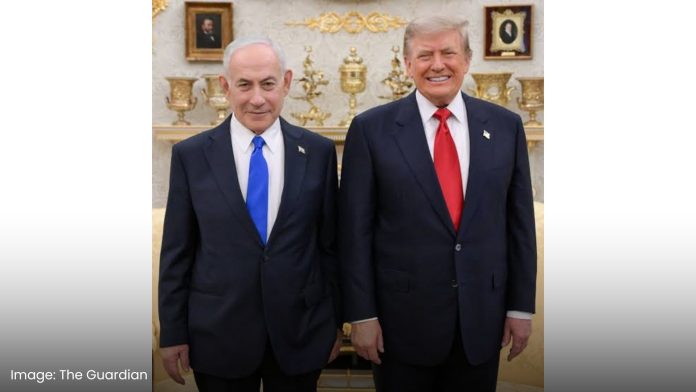
Israeli Prime Minister Benjamin Netanyahu publicly rejected a US-backed 15-point peace plan for Gaza on Sunday, marking a rare and direct public break with President Trump. The rejection, delivered in unusually blunt language, is the latest chapter in a pattern that stretches back nearly three decades, Netanyahu defying the sitting US president, regardless of party, when he believes Israel’s security interests demand it.

What Netanyahu Actually Said

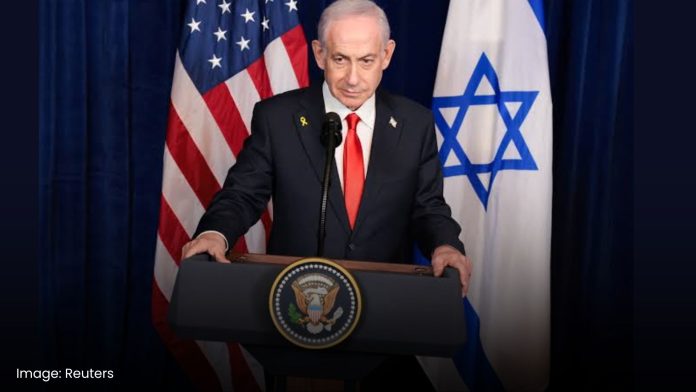
In his Sunday statement, Netanyahu said he was confronting a wave of rumors about Israeli weakness and Israeli withdrawals on all fronts, and rebuked US pressure to end the wars in Gaza, Lebanon and Iran without Israel’s input. On the Gaza plan specifically, he said Israel does not accept the 15-point document, adding that the IDF will not carry out any withdrawal until Hamas is disarmed, specifying that this meant heavy weaponry, lighter weaponry, all weaponry, and genuine disarmament, not fictitious disarmament. Trump’s Board of Peace had proposed the plan in July, calling for Hamas to disarm in exchange for a full Israeli military withdrawal and an eventual transition of power to an independent Palestinian National Committee, implemented in stages. Netanyahu wants full disarmament to happen first, before any staged withdrawal begins, a direct contradiction of the plan’s sequencing. Nickolay Mladenov, the Board of Peace’s high representative for Gaza, pushed back the same day, telling Israeli television the plan remained the only way forward that ensures this tragedy does not happen again.

A Pattern That Goes Back to 1996

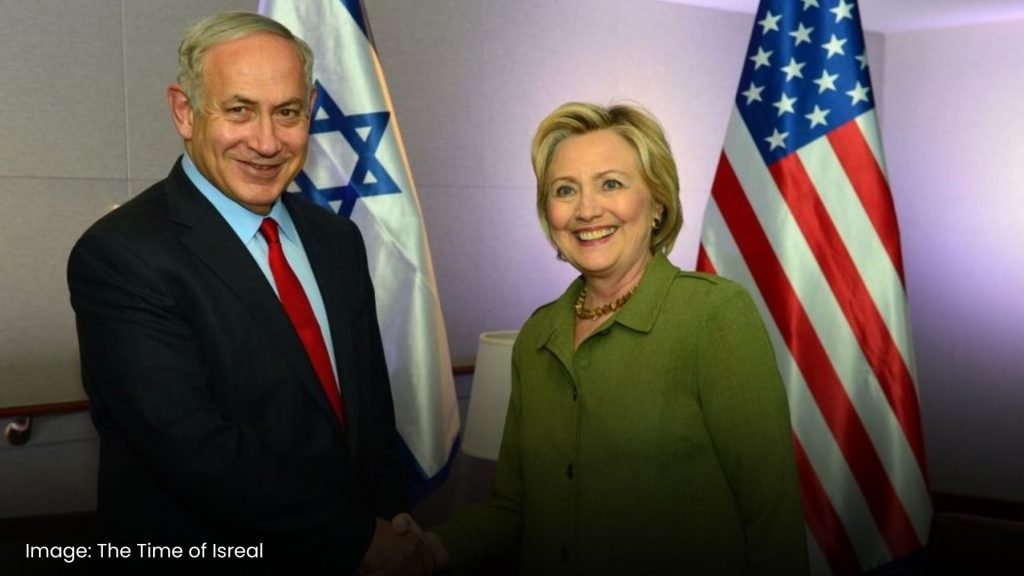
Netanyahu’s willingness to publicly defy US presidents is well documented and long predates this moment. His first major clash came in 1996, during his first term as prime minister, when he reportedly lectured newly elected President Bill Clinton on the history of the Arab-Israeli conflict during their first meeting. Clinton emerged from that meeting exasperated, reportedly asking his aides, who the fuck does he think he is, who’s the fucking superpower here. Diplomat Aaron David Miller later recalled the incident in his memoir, framing it as exactly the point Netanyahu was trying to make.

Obama and Biden Faced Similar Defiance

The pattern continued with President Obama, whose relationship with Netanyahu was difficult from the start and worsened significantly over Iran’s nuclear program. Whenever Obama pressured Netanyahu on issues like reducing West Bank settlement construction, organized opposition would erupt inside Israel, opposition analysts say Netanyahu actively stoked. Eventually, calculating the political cost wasn’t worth it, Obama backed off. During a 2011 hot mic incident, French President Nicolas Sarkozy told Obama that Netanyahu was a liar, to which Obama reportedly replied, you may be sick of him, but I have to deal with him every day. More recently, as casualties mounted in Gaza following the October 7, 2023 Hamas attack, President Biden is reported to have privately called Netanyahu a liar over his handling of the conflict, even as his administration continued publicly backing Israel and avoided significantly restricting military aid.

Why Netanyahu Keeps Getting Away With It

Analysts who have studied this recurring dynamic point to a consistent explanation, Netanyahu appears to have concluded that defying Washington rarely carries a real political cost, and can even boost his standing domestically as a leader willing to stand up to allies. With Israel’s tiny Jewish population in the US and strong Evangelical Christian support functioning as durable political buffers, Netanyahu has repeatedly tested the limits of what American presidents will tolerate, confident that the broader US-Israel relationship would absorb the friction.
Why This Time May Carry Different Stakes

What makes this rejection notable is the specific political moment both leaders are in. Netanyahu faces a tough election in October and pressure from hardliners in his own coalition, while Trump faces November midterms and wants a Gaza and Hormuz resolution to help ease oil prices. Support for Israel is also measurably eroding within the Democratic Party, and Trump’s own vice president, JD Vance, seen as a 2028 frontrunner, has expressed public skepticism about the war. Whether Trump responds by escalating pressure on Netanyahu or lets the peace effort stall now depends largely on which political risk Trump judges more costly, a message that, once again, Netanyahu can simply say no to a sitting American president without paying a real price for it.

Sources:

·  Netanyahu rejects US-led 15-point Gaza peace plan in rare public break with Trump — The Guardian: https://www.theguardian.com/world/2026/aug/09/israel-rejects-us-led-15-point-gaza-peace-plan-says-netanyahu

·  Israel rejects Trump’s 15-point plan for Gaza — Al Jazeera: https://www.aljazeera.com/news/2026/8/9/israel-rejects-trumps-15-point-plan-for-gaza

·  We know how to stand up to American ideas, Israeli PM Netanyahu rejects Trump’s 15-point Gaza plan — Times of India: https://timesofindia.indiatimes.com/world/middle-east/we-know-how-to-stand-up-to-american-ideas-israeli-pm-netanyahu-rejects-trumps-15-point-gaza-plan/articleshow/133066764.cms

·  Why US presidents end up cursing Benjamin Netanyahu — The Conversation: https://theconversation.com/why-us-presidents-end-up-cursing-benjamin-netanyahu-285285

Maryam Tariq

Israeli Prime Minister Benjamin Netanyahu publicly rejected a US-backed 15-point peace plan for Gaza on Sunday, marking a rare and direct public break with President Trump. The rejection, delivered in unusually blunt language, is the latest chapter in a pattern that stretches back nearly three decades, Netanyahu defying the sitting US president, regardless of party, when he believes Israel’s security interests demand it.

What Netanyahu Actually Said

In his Sunday statement, Netanyahu said he was confronting a wave of rumors about Israeli weakness and Israeli withdrawals on all fronts, and rebuked US pressure to end the wars in Gaza, Lebanon and Iran without Israel’s input. On the Gaza plan specifically, he said Israel does not accept the 15-point document, adding that the IDF will not carry out any withdrawal until Hamas is disarmed, specifying that this meant heavy weaponry, lighter weaponry, all weaponry, and genuine disarmament, not fictitious disarmament. Trump’s Board of Peace had proposed the plan in July, calling for Hamas to disarm in exchange for a full Israeli military withdrawal and an eventual transition of power to an independent Palestinian National Committee, implemented in stages. Netanyahu wants full disarmament to happen first, before any staged withdrawal begins, a direct contradiction of the plan’s sequencing. Nickolay Mladenov, the Board of Peace’s high representative for Gaza, pushed back the same day, telling Israeli television the plan remained the only way forward that ensures this tragedy does not happen again.

A Pattern That Goes Back to 1996

Netanyahu’s willingness to publicly defy US presidents is well documented and long predates this moment. His first major clash came in 1996, during his first term as prime minister, when he reportedly lectured newly elected President Bill Clinton on the history of the Arab-Israeli conflict during their first meeting. Clinton emerged from that meeting exasperated, reportedly asking his aides, who the fuck does he think he is, who’s the fucking superpower here. Diplomat Aaron David Miller later recalled the incident in his memoir, framing it as exactly the point Netanyahu was trying to make.

Obama and Biden Faced Similar Defiance

The pattern continued with President Obama, whose relationship with Netanyahu was difficult from the start and worsened significantly over Iran’s nuclear program. Whenever Obama pressured Netanyahu on issues like reducing West Bank settlement construction, organized opposition would erupt inside Israel, opposition analysts say Netanyahu actively stoked. Eventually, calculating the political cost wasn’t worth it, Obama backed off. During a 2011 hot mic incident, French President Nicolas Sarkozy told Obama that Netanyahu was a liar, to which Obama reportedly replied, you may be sick of him, but I have to deal with him every day. More recently, as casualties mounted in Gaza following the October 7, 2023 Hamas attack, President Biden is reported to have privately called Netanyahu a liar over his handling of the conflict, even as his administration continued publicly backing Israel and avoided significantly restricting military aid.

Why Netanyahu Keeps Getting Away With It

Analysts who have studied this recurring dynamic point to a consistent explanation, Netanyahu appears to have concluded that defying Washington rarely carries a real political cost, and can even boost his standing domestically as a leader willing to stand up to allies. With Israel’s tiny Jewish population in the US and strong Evangelical Christian support functioning as durable political buffers, Netanyahu has repeatedly tested the limits of what American presidents will tolerate, confident that the broader US-Israel relationship would absorb the friction.

Why This Time May Carry Different Stakes

What makes this rejection notable is the specific political moment both leaders are in. Netanyahu faces a tough election in October and pressure from hardliners in his own coalition, while Trump faces November midterms and wants a Gaza and Hormuz resolution to help ease oil prices. Support for Israel is also measurably eroding within the Democratic Party, and Trump’s own vice president, JD Vance, seen as a 2028 frontrunner, has expressed public skepticism about the war. Whether Trump responds by escalating pressure on Netanyahu or lets the peace effort stall now depends largely on which political risk Trump judges more costly, a message that, once again, Netanyahu can simply say no to a sitting American president without paying a real price for it.

Sources:

·  Netanyahu rejects US-led 15-point Gaza peace plan in rare public break with Trump — The Guardian: https://www.theguardian.com/world/2026/aug/09/israel-rejects-us-led-15-point-gaza-peace-plan-says-netanyahu

·  Israel rejects Trump’s 15-point plan for Gaza — Al Jazeera: https://www.aljazeera.com/news/2026/8/9/israel-rejects-trumps-15-point-plan-for-gaza

·  We know how to stand up to American ideas, Israeli PM Netanyahu rejects Trump’s 15-point Gaza plan — Times of India: https://timesofindia.indiatimes.com/world/middle-east/we-know-how-to-stand-up-to-american-ideas-israeli-pm-netanyahu-rejects-trumps-15-point-gaza-plan/articleshow/133066764.cms

·  Why US presidents end up cursing Benjamin Netanyahu — The Conversation: https://theconversation.com/why-us-presidents-end-up-cursing-benjamin-netanyahu-285285

spot_img

Explore more

spot_img
Global Affairs

IDF Finally Admits It Fired on Hind Rajab’s Car. Why Now,...

Trump Administration Is Making Haitians Choose Between an Ankle Monitor and...

Why Argentina, Not Israel, Is Leading the Push for New Allies...

Three West Bank Villages Hit at Once, Israel’s Own Ally Calls...

Al-Aqsa Incursions Are Getting Bigger and More Frequent Through 2026

West Bank Violence Is Surging as Israel Heads Toward October Elections