Lebanon’s Crisis Didn’t End With the Ceasefire, and Its Rescue Fund Is Half Empty

Lebanon’s Crisis Didn’t End With the Ceasefire, the Funding Did

Maryam Tariq

Lebanon continues to face a severe humanitarian and protection crisis months after its ceasefire was announced, according to the latest OCHA Flash Update released August 4. Ongoing hostilities, mass displacement, and severe infrastructure damage are compounding, even as the emergency fund meant to address the crisis approaches its final month critically underfunded.

The Casualty Toll Since the Ceasefire

Since March 2, Lebanon’s Ministry of Public Health has recorded 4,333 people killed, including 392 women and 253 children, along with 12,250 injuries. Crucially, the violence did not stop when a ceasefire was announced on June 19. Since that date alone, 353 people have been killed and 249 injured. Healthcare workers have also been directly affected, with 135 health professionals killed on duty and 410 injured since March.

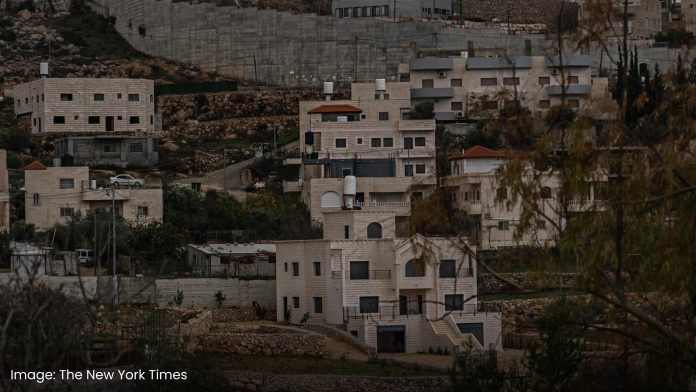
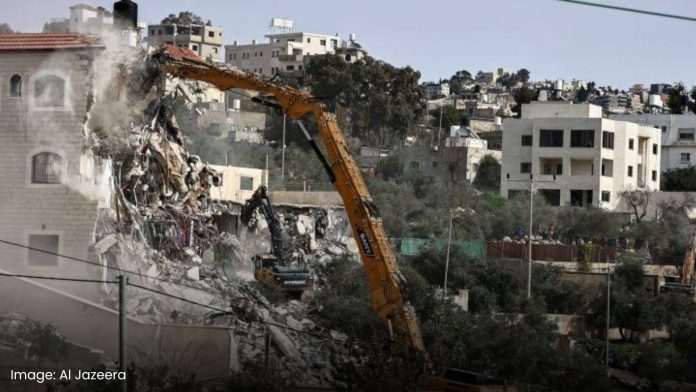
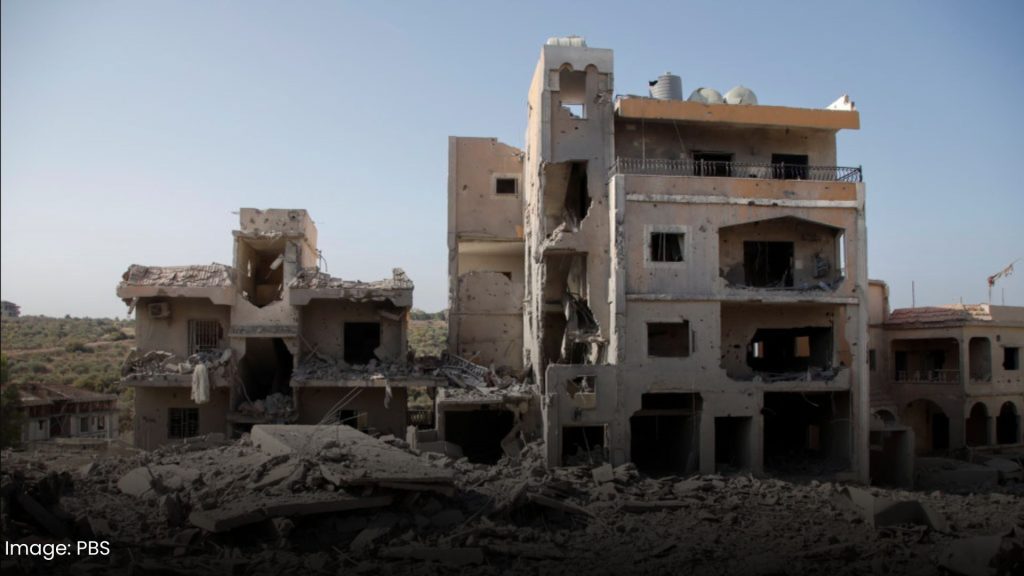
Daily airstrikes, demolitions and shelling have continued across Bint Jbeil, Marjaayoun, Nabatieh, Hasbaya and Tyre districts. Two separate unexploded ordnance incidents were reported on August 2 and 3 alone, underscoring the ongoing risk to civilians and humanitarian workers as more people attempt to return home.

Displacement Remains Widespread

As of July 30, 821,077 people had begun returning to their areas of origin, a 9 percent increase from the previous week. But more than 360,132 people remain displaced nationwide, and the pace of decline in displacement figures has slowed considerably.

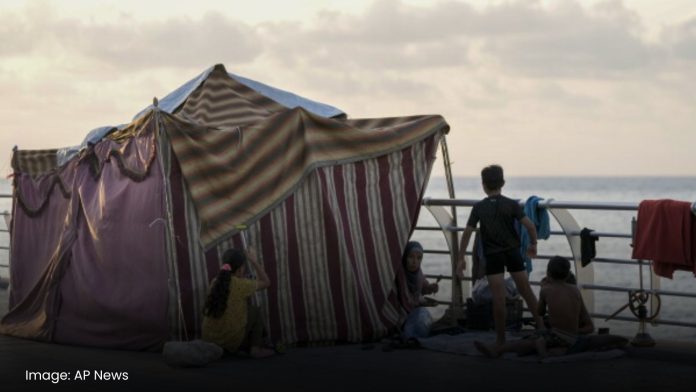
In several districts, including Nabatieh, Bint Jbeil, Tyre, Baalbek and Hermel, the number of displaced people actually increased in the most recent reporting period, suggesting many are moving closer to home without being able to fully return. Roughly 26,300 people, more than half of them women and girls, remain in 247 collective shelters, where fuel shortages continue to threaten electricity and water pumping, raising health, hygiene and safety risks.

Why Returning Home Remains Dangerous

Even for those attempting to return, conditions remain severe. Within Israeli-declared military zones, the number of residents has not changed at all, as widespread destruction of housing and infrastructure, movement restrictions and ongoing military activity continue to block safe return. Unexploded ordnance adds a further layer of danger, with Lebanese Armed Forces personnel directly involved in one of the two most recent incidents while escorting civilians through an affected area.

The Collapse of Water Infrastructure

Perhaps the most striking damage documented in the update involves water access. A preliminary assessment by the South Lebanon Water Establishment found that between 2024 and 2026, conflict-related damage destroyed or damaged 175 water reservoirs, 124 boreholes, 85 generators, 16 pumping stations and 9 springs across South and Nabatieh governorates.
As a result, more than 700,000 people now face reduced access to safe drinking water, alongside contamination risks from explosive remnants and heavy metals affecting food and water supplies. Direct and indirect losses from this damage alone are estimated to exceed 550 million dollars.

Ongoing Protection Risks

OCHA’s report also highlights acute protection risks facing displaced populations, particularly women, children, older people and people with disabilities. Overcrowding, damaged housing, limited privacy and gender-based violence risks remain elevated in collective shelters and informal settlements, while returning communities face their own set of dangers, from unexploded ordnance to disrupted access to healthcare, mental health support and housing, land and property services.

A Funding Crisis on Top of a Humanitarian One

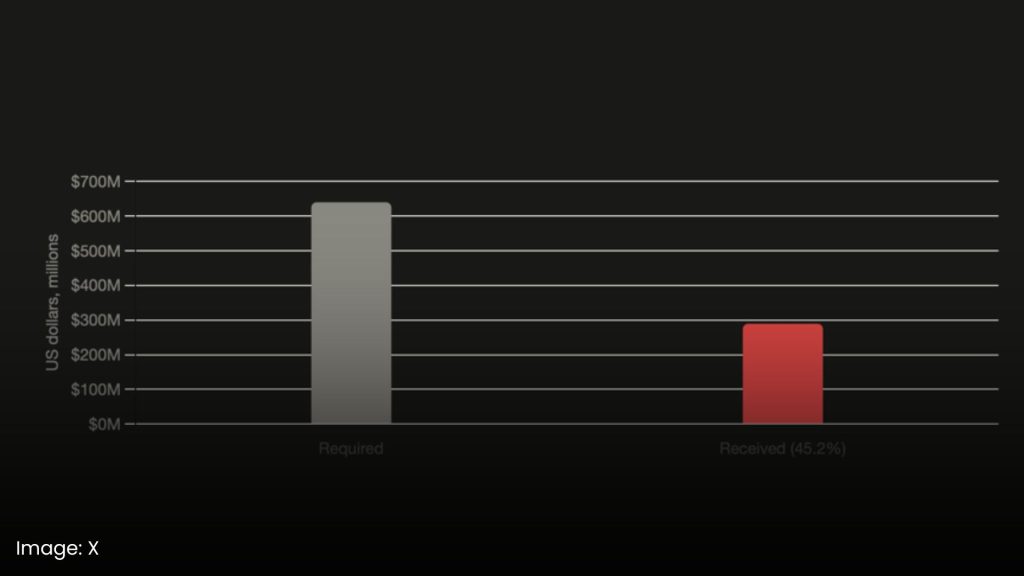
All of this is unfolding as Lebanon’s 2026 Flash Appeal, a six-month emergency response plan, enters its final month. As of August 3, the appeal had received just 289.3 million dollars of the 639.9 million dollars required, only 45.2 percent funded.
That shortfall directly limits humanitarian organizations’ ability to sustain collective shelters, deliver cash assistance, and support communities attempting to return to homes that, in many cases, no longer have safe water, functioning health services, or basic security.

What Comes Next

With hostilities continuing daily, displacement numbers plateauing rather than steadily declining, and the emergency appeal running out of both time and money, humanitarian officials warn that emergency interventions to restore even minimum water and shelter services remain critical, and increasingly difficult to deliver at the scale the crisis actually requires.

Sources: Lebanon, Flash Update 48, Escalation of hostilities in Lebanon, as of 3 August 2026 — OCHA via ReliefWeb: https://reliefweb.int/report/lebanon/lebanon-flash-update-48-escalation-hostilities-lebanon-3-august-2026

Lebanon’s Crisis Didn’t End With the Ceasefire, the Funding Did

Maryam Tariq

Lebanon continues to face a severe humanitarian and protection crisis months after its ceasefire was announced, according to the latest OCHA Flash Update released August 4. Ongoing hostilities, mass displacement, and severe infrastructure damage are compounding, even as the emergency fund meant to address the crisis approaches its final month critically underfunded.

The Casualty Toll Since the Ceasefire

Since March 2, Lebanon’s Ministry of Public Health has recorded 4,333 people killed, including 392 women and 253 children, along with 12,250 injuries. Crucially, the violence did not stop when a ceasefire was announced on June 19. Since that date alone, 353 people have been killed and 249 injured. Healthcare workers have also been directly affected, with 135 health professionals killed on duty and 410 injured since March.

Daily airstrikes, demolitions and shelling have continued across Bint Jbeil, Marjaayoun, Nabatieh, Hasbaya and Tyre districts. Two separate unexploded ordnance incidents were reported on August 2 and 3 alone, underscoring the ongoing risk to civilians and humanitarian workers as more people attempt to return home.

Displacement Remains Widespread

As of July 30, 821,077 people had begun returning to their areas of origin, a 9 percent increase from the previous week. But more than 360,132 people remain displaced nationwide, and the pace of decline in displacement figures has slowed considerably.

In several districts, including Nabatieh, Bint Jbeil, Tyre, Baalbek and Hermel, the number of displaced people actually increased in the most recent reporting period, suggesting many are moving closer to home without being able to fully return. Roughly 26,300 people, more than half of them women and girls, remain in 247 collective shelters, where fuel shortages continue to threaten electricity and water pumping, raising health, hygiene and safety risks.

Why Returning Home Remains Dangerous

Even for those attempting to return, conditions remain severe. Within Israeli-declared military zones, the number of residents has not changed at all, as widespread destruction of housing and infrastructure, movement restrictions and ongoing military activity continue to block safe return. Unexploded ordnance adds a further layer of danger, with Lebanese Armed Forces personnel directly involved in one of the two most recent incidents while escorting civilians through an affected area.

The Collapse of Water Infrastructure

Perhaps the most striking damage documented in the update involves water access. A preliminary assessment by the South Lebanon Water Establishment found that between 2024 and 2026, conflict-related damage destroyed or damaged 175 water reservoirs, 124 boreholes, 85 generators, 16 pumping stations and 9 springs across South and Nabatieh governorates.

As a result, more than 700,000 people now face reduced access to safe drinking water, alongside contamination risks from explosive remnants and heavy metals affecting food and water supplies. Direct and indirect losses from this damage alone are estimated to exceed 550 million dollars.

Ongoing Protection Risks

OCHA’s report also highlights acute protection risks facing displaced populations, particularly women, children, older people and people with disabilities. Overcrowding, damaged housing, limited privacy and gender-based violence risks remain elevated in collective shelters and informal settlements, while returning communities face their own set of dangers, from unexploded ordnance to disrupted access to healthcare, mental health support and housing, land and property services.

A Funding Crisis on Top of a Humanitarian One

All of this is unfolding as Lebanon’s 2026 Flash Appeal, a six-month emergency response plan, enters its final month. As of August 3, the appeal had received just 289.3 million dollars of the 639.9 million dollars required, only 45.2 percent funded.

That shortfall directly limits humanitarian organizations’ ability to sustain collective shelters, deliver cash assistance, and support communities attempting to return to homes that, in many cases, no longer have safe water, functioning health services, or basic security.

What Comes Next

With hostilities continuing daily, displacement numbers plateauing rather than steadily declining, and the emergency appeal running out of both time and money, humanitarian officials warn that emergency interventions to restore even minimum water and shelter services remain critical, and increasingly difficult to deliver at the scale the crisis actually requires.

Sources: Lebanon, Flash Update 48, Escalation of hostilities in Lebanon, as of 3 August 2026 — OCHA via ReliefWeb: https://reliefweb.int/report/lebanon/lebanon-flash-update-48-escalation-hostilities-lebanon-3-august-2026

spot_img

Explore more

spot_img
Global Affairs

IDF Finally Admits It Fired on Hind Rajab’s Car. Why Now,...

Trump Administration Is Making Haitians Choose Between an Ankle Monitor and...

Why Argentina, Not Israel, Is Leading the Push for New Allies...

Three West Bank Villages Hit at Once, Israel’s Own Ally Calls...

Al-Aqsa Incursions Are Getting Bigger and More Frequent Through 2026

West Bank Violence Is Surging as Israel Heads Toward October Elections