Moscow Struck as Peace Talks Begin

What’s happening

Peace is being announced in public. The war is still moving underneath it.

Russia declared a temporary ceasefire around May 8 to 9 for Victory Day. Ukraine responded with its own ceasefire starting earlier. On paper, both sides are signaling restraint. But events are moving in another direction entirely.

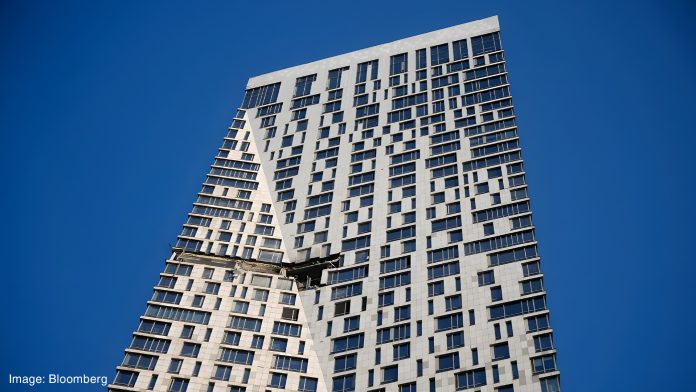
A Ukrainian drone struck a residential high-rise in Moscow just days before the Victory Day commemorations, hitting the building near the 36th floor and causing structural damage to the facade. Moscow Mayor Sergei Sobyanin confirmed the strike and stated there were no casualties. The location matters. The building sits approximately 6.5 kilometers from the Kremlin, making it one of the deepest drone strikes into central Moscow in the course of the war. Striking it days before one of Russia’s most important national events is not incidental. It is a message.
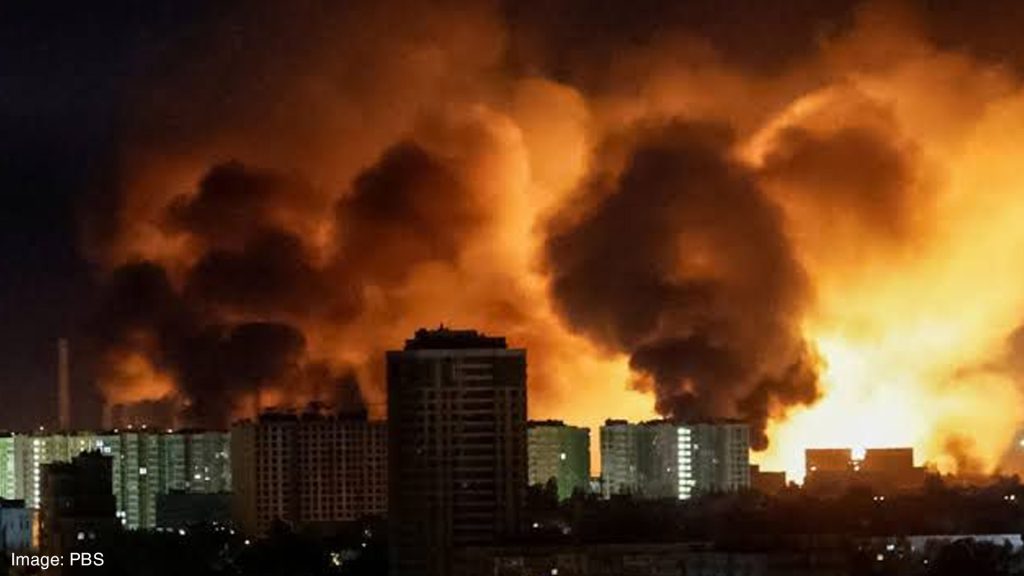
Russian strikes inside Ukraine have continued to cause casualties in the meantime. A missile strike on a town in eastern Ukraine killed at least four people and injured 18 others on the same day. There is no clear slowdown across the frontlines despite the public signaling on both sides.

The atmosphere around Victory Day is also shifting. Russia has warned of strong retaliation if Ukraine disrupts the event, and this year’s parade will not feature military vehicles for the first time in nearly two decades. Russian authorities cited security concerns and the ongoing threat of Ukrainian drone attacks as the reason. That restraint in itself signals a more cautious posture, one shaped as much by battlefield reality as by optics. Zelenskyy acknowledged as much publicly, warning that Ukrainian drones could also appear at the parade.

Beyond Ukraine, Austria expelled three Russian diplomats over alleged espionage. Authorities say surveillance equipment installed on embassy rooftops in Vienna may have been used to intercept sensitive data from international organizations operating in the city. It is a significant move, and a sign that Europe is no longer treating Russian intelligence activity as a background concern.

Inside Russia’s military, reports point to rising desertion pressure. Prolonged fighting, mounting losses, and accumulated fatigue appear to be affecting morale across units. Exact figures remain difficult to verify independently, but the direction of the trend is consistent across multiple reporting sources. Ukrainian President Volodymyr Zelenskyy, for his part, has responded cautiously to the ceasefire proposal, seeking specific details and making clear his skepticism about Russian intentions.

Why it matters

The contradiction is now the story.

A ceasefire is meant to reduce violence. Instead, the days surrounding it are filled with escalation, pointed warnings, and visible strain on both sides.

The Moscow strike carries real psychological weight. It demonstrates that the war can reach into the Russian capital itself, at the precise moment Russia is preparing for one of its most symbolically loaded national events. Victory Day is built around the image of strength and historical sacrifice. Any disruption to that image carries consequences well beyond the military.

Reports of desertion point to a different kind of pressure, one that is internal and harder to manage through official statements. Wars depend on morale as much as they depend on resources and strategy. If that foundation weakens, it begins to shape decisions at every level.

The diplomatic expulsions in Austria confirm that this conflict has extended far beyond Ukrainian territory. Intelligence operations, surveillance infrastructure, and political pressure are now active fronts in the same war.

What next

The coming days will test whether these ceasefires hold in any meaningful way.

If strikes continue, both sides will accuse the other of bad faith. If Moscow faces further disruption around Victory Day, Russia’s promised retaliation becomes harder to walk back politically. Austria’s move could trigger wider diplomatic fallout across Europe, with other governments watching closely to see whether the expulsions prompt a broader response.
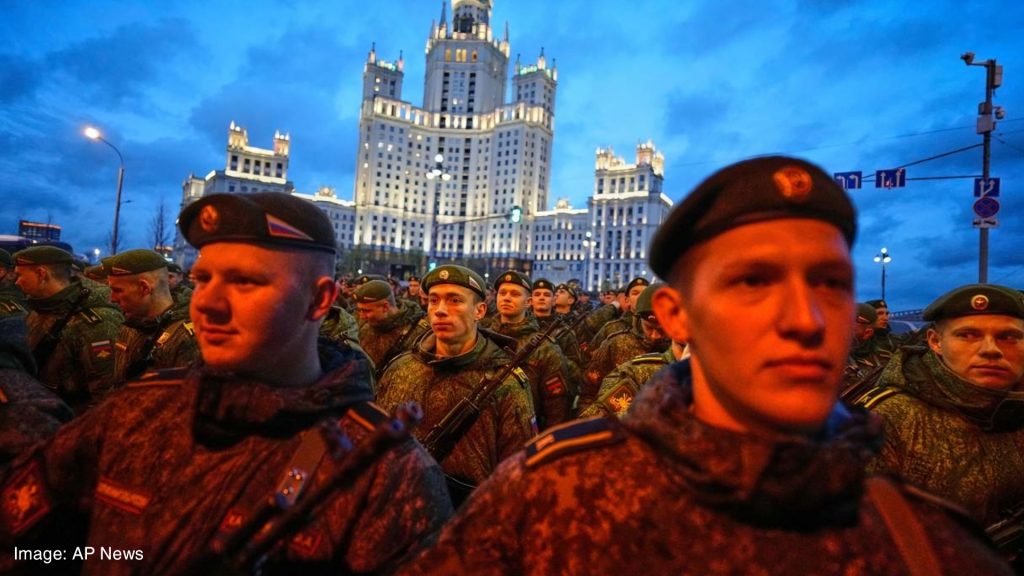
Internally, the state of Russia’s military will remain a critical variable. If desertion pressure continues to grow, it may influence strategic decisions far more than any official statement suggests.

Peace is being discussed at the table. The pressure is still rising everywhere else. Nothing about this feels paused.

Sources: BBC | Reuters | CNN | AP | The Guardian | Al Jazeera

#RussiaUkraineWar #Moscow #VictoryDay #Ceasefire #Geopolitics #WarUpdate #Zelenskyy #GlobalTensions #Europe #Verum
What’s happening

Peace is being announced in public. The war is still moving underneath it.

Russia declared a temporary ceasefire around May 8 to 9 for Victory Day. Ukraine responded with its own ceasefire starting earlier. On paper, both sides are signaling restraint. But events are moving in another direction entirely.

A Ukrainian drone struck a residential high-rise in Moscow just days before the Victory Day commemorations, hitting the building near the 36th floor and causing structural damage to the facade. Moscow Mayor Sergei Sobyanin confirmed the strike and stated there were no casualties. The location matters. The building sits approximately 6.5 kilometers from the Kremlin, making it one of the deepest drone strikes into central Moscow in the course of the war. Striking it days before one of Russia’s most important national events is not incidental. It is a message.

Russian strikes inside Ukraine have continued to cause casualties in the meantime. A missile strike on a town in eastern Ukraine killed at least four people and injured 18 others on the same day. There is no clear slowdown across the frontlines despite the public signaling on both sides.

The atmosphere around Victory Day is also shifting. Russia has warned of strong retaliation if Ukraine disrupts the event, and this year’s parade will not feature military vehicles for the first time in nearly two decades. Russian authorities cited security concerns and the ongoing threat of Ukrainian drone attacks as the reason. That restraint in itself signals a more cautious posture, one shaped as much by battlefield reality as by optics. Zelenskyy acknowledged as much publicly, warning that Ukrainian drones could also appear at the parade.

Beyond Ukraine, Austria expelled three Russian diplomats over alleged espionage. Authorities say surveillance equipment installed on embassy rooftops in Vienna may have been used to intercept sensitive data from international organizations operating in the city. It is a significant move, and a sign that Europe is no longer treating Russian intelligence activity as a background concern.

Inside Russia’s military, reports point to rising desertion pressure. Prolonged fighting, mounting losses, and accumulated fatigue appear to be affecting morale across units. Exact figures remain difficult to verify independently, but the direction of the trend is consistent across multiple reporting sources. Ukrainian President Volodymyr Zelenskyy, for his part, has responded cautiously to the ceasefire proposal, seeking specific details and making clear his skepticism about Russian intentions.

Why it matters

The contradiction is now the story.

A ceasefire is meant to reduce violence. Instead, the days surrounding it are filled with escalation, pointed warnings, and visible strain on both sides.

The Moscow strike carries real psychological weight. It demonstrates that the war can reach into the Russian capital itself, at the precise moment Russia is preparing for one of its most symbolically loaded national events. Victory Day is built around the image of strength and historical sacrifice. Any disruption to that image carries consequences well beyond the military.

Reports of desertion point to a different kind of pressure, one that is internal and harder to manage through official statements. Wars depend on morale as much as they depend on resources and strategy. If that foundation weakens, it begins to shape decisions at every level.

The diplomatic expulsions in Austria confirm that this conflict has extended far beyond Ukrainian territory. Intelligence operations, surveillance infrastructure, and political pressure are now active fronts in the same war.

What next

The coming days will test whether these ceasefires hold in any meaningful way.

If strikes continue, both sides will accuse the other of bad faith. If Moscow faces further disruption around Victory Day, Russia’s promised retaliation becomes harder to walk back politically. Austria’s move could trigger wider diplomatic fallout across Europe, with other governments watching closely to see whether the expulsions prompt a broader response.

Internally, the state of Russia’s military will remain a critical variable. If desertion pressure continues to grow, it may influence strategic decisions far more than any official statement suggests.

Peace is being discussed at the table. The pressure is still rising everywhere else. Nothing about this feels paused.

Sources: BBC | Reuters | CNN | AP | The Guardian | Al Jazeera

#RussiaUkraineWar #Moscow #VictoryDay #Ceasefire #Geopolitics #WarUpdate #Zelenskyy #GlobalTensions #Europe #Verum
spot_img

Explore more

spot_img
Global Affairs

Trump Cut Off Cuba’s Oil. Now Its People Are Preparing For...

A French Company Paid Terrorists To Keep A Factory Running. Now...

They Were Burned Alive In Their Sleep. Police Say Their Classmates...

Musk Amplified The Rage. AI Made The Hitlist. Belfast Burned.

From Settlement Sales To Celebrity Ads: The Business Of Selling Israeli...

Bodies Of Evidence: The Explosive Al Jazeera Film Exposing Horrors Inside...

Isr*el Is Burning Lebanon From The Sky