What’s happening
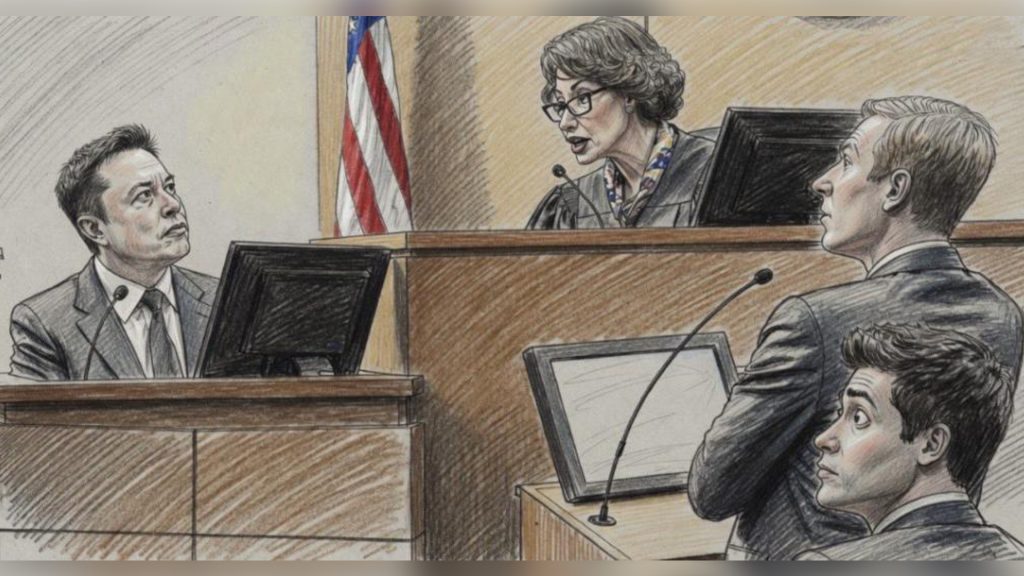
There is a moment in this trial that captures everything. Elon Musk is on the witness stand in a federal courthouse in Oakland, California. An email he sent years ago is displayed in front of the jury. In it, reflecting on Sam Altman’s reassurances that OpenAI would stay a nonprofit, Musk had written: I was foolish enough to believe him. He said it in writing back then. He repeated it under oath this week, telling the jury he was a fool who gave $38 million in essentially free funding that was then used to build an $800 billion for-profit company. That is the case in one sentence. Everything else is detail.
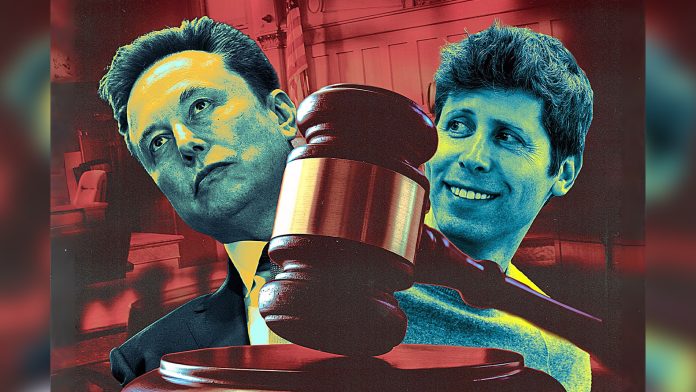
Musk has argued that Altman steered the company they co-founded a decade ago away from its original mission as a nonprofit meant to develop advanced AI for the benefit of humanity, free of profit motives. He is now seeking the ouster of Altman and OpenAI president Greg Brockman, and the rollback of the for-profit structure, moves that could radically alter the competitive landscape for artificial intelligence. His lawyers set the tone from their very first words to the jury: the defendants in this case stole a charity.
Why it matters
When Altman offered Musk an equity stake during the early years, Musk said it felt like a bribe. He refused, saying it was not acceptable for a nonprofit to have equity holders. Then came Microsoft’s $10 billion investment, and Musk texted Altman directly: What the hell is going on? He told the jury he believed that size of investment made clear that Microsoft expected a financial return, not a charitable one, and asked the courtroom a question that landed hard: With all due respect to Microsoft, do you really want Microsoft controlling artificial general intelligence?
This is not a fight about $38 million. It is a fight about who controls the infrastructure of the AI era. ChatGPT is embedded in the daily lives of hundreds of millions of people. The outcome of this trial could force one of the most powerful technology companies in the world to restructure entirely, or it could confirm that what happened was legal and legitimate all along. Either way, the internal emails and private text messages being entered into evidence are already rewriting the official history of how OpenAI came to be.
Bigger picture
Hundreds of court filings have revealed texts, emails, and private exchanges between Musk, Altman, and other OpenAI founders that show something very different from the clean origin story the company has always told. The founding charter declared OpenAI would seek to create open source technology for the public benefit, not for the private gain of any person. What the documents show is that conversations about control, equity, and who would hold the largest share of the capitalization table were happening almost from the start. Defense attorneys have pointed to emails and deposition testimony they say show Musk was aware of and at times supported discussions about alternative corporate structures, including arrangements involving for-profit entities.
OpenAI’s lawyer delivered the counterargument to the jury with no subtlety at all: We are here because Mr. Musk didn’t get his way at OpenAI. He quit, saying they would fail for sure. But my clients had the nerve to go on and succeed without him. That framing is brutal. It is also, depending on what the documents ultimately show, possibly true.
What next
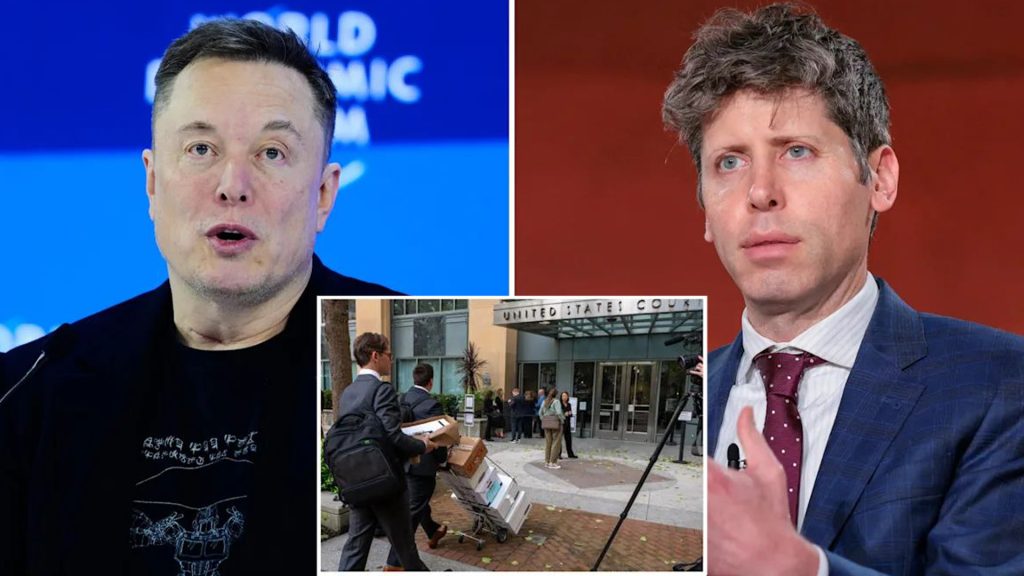
Altman is expected to testify, along with Brockman, Microsoft CEO Satya Nadella, and several key researchers and engineers involved in OpenAI’s launch. The cross-examination of Musk has already been described as heated, with clashes over term sheets, deposition answers, and his pattern of seeking control across all his companies. There are weeks of testimony still to come, and more documents will surface.
But the verdict almost does not matter anymore for what this trial has already done. The image of AI development as a principled, mission-first endeavor has been put on the stand alongside Musk, and it is not holding up well under questioning. Every safety promise OpenAI has ever made, every we’re building this for humanity statement now sits next to an email in which one of its founders wrote that he was foolish enough to believe the other one. That is not a legal problem. That is a trust problem. And unlike a lawsuit, a trust problem does not get resolved by a judge.
Sources
CNBC, NPR, ABC7, Washington Post, Associated Press, Reuters, The Verge