Only 1% Of The World Has A Free Press

A Gallup survey released alongside this year’s World Press Freedom Index found that public perceptions of media freedom remained relatively stable globally, even as press conditions fell to their worst level in 25 years. In many countries where journalism faces growing restrictions, citizens still believe their media is largely free and independent. That gap between perception and reality may be the most alarming finding of all: not just that press freedom is shrinking, but that fewer people are able to recognize it happening.

The Numbers Behind The Decline

According to the 2026 World Press Freedom Index published by Reporters Without Borders, more than half of all countries are now classified as difficult or very serious for journalists, while less than 1 percent of the global population lives in countries rated as having good press freedom. Norway remained ranked first for the 10th consecutive year. Eritrea ranked last. The United States fell seven places to 64th. Pakistan ranked 153rd and India 157th, both remaining near the bottom of the global index.

RSF says the decline is no longer limited to authoritarian states. Democracies are increasingly adopting tactics once associated with more repressive systems, including raids, intimidation, legal pressure, surveillance and online harassment. One of the sharpest declines came in the legal category, with press freedom laws and protections worsening in 110 countries this year alone.

Gaza, Russia And The New Risks Of Reporting

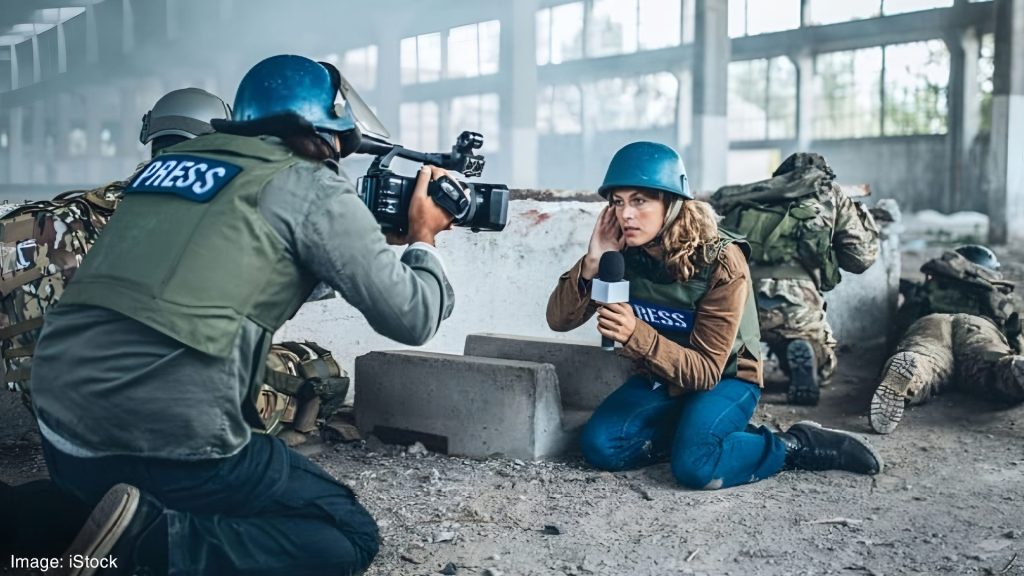
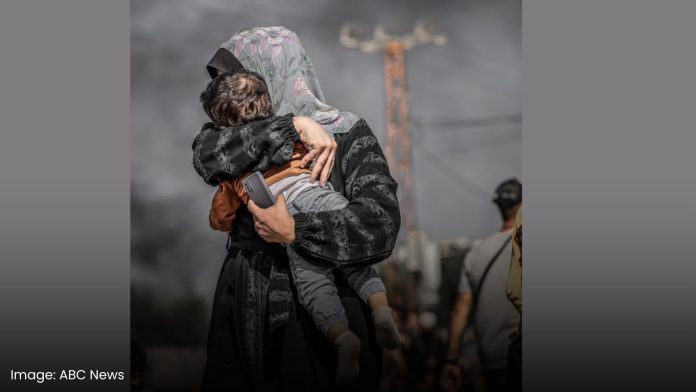
RSF described the Middle East and North Africa as the world’s most catastrophic region for press freedom, with Gaza becoming one of the deadliest places on earth for journalists. Since October 2023, more than 220 Palestinian journalists have been killed by the Isr*eli army during the war in Gaza, according to RSF, including at least 70 confirmed to have been killed in direct connection with their work.

Russia also continued its crackdown on journalism, ranking near the bottom of the index. RSF says 48 journalists were imprisoned in Russia as of April 2026, while many reporters who fled abroad still face legal persecution and pressure extending beyond Russian borders. In the United States, the FBI raid on Washington Post reporter Hannah Natanson’s home and growing attacks on media institutions were cited among the factors contributing to America’s decline in the rankings.
Pakistan, India And America’s Decline

Pakistan ranked 153rd and India 157th, reflecting continued concerns over journalist safety, censorship, intimidation and legal pressure across South Asia. In both countries, governments remain major advertisers, creating financial dependence that can generate additional pressure on independent reporting.

The United States dropping to 64th became one of the most discussed results in this year’s index. RSF linked the decline partly to systemic attacks on the media and rising hostility toward journalists. Analysts also warn that anti-media rhetoric in powerful democracies can influence political leaders elsewhere, creating what some observers describe as a contagion effect globally.

Who Really Controls Modern Media

The crisis is no longer only about censorship in the traditional sense. Increasingly, governments, corporations, billionaires, algorithms and digital platforms all play a role in shaping what information reaches audiences and what quietly disappears. RSF says many governments now use softer forms of control: economic pressure, selective advertising, legal intimidation, disinformation campaigns and algorithmic suppression instead of openly banning journalism.

The result is a media environment where independent outlets struggle financially while highly polarized or politically connected networks continue gaining influence. Modern information control has evolved to the point where the most effective censorship leaves no visible marks at all.

Sources: RSF, Gallup, AP, Democracy Now, iMEdD

#Verum #PressFreedom #Journalism #Media #Gaza #Russia #Pakistan #India #FreeSpeech #News
A Gallup survey released alongside this year’s World Press Freedom Index found that public perceptions of media freedom remained relatively stable globally, even as press conditions fell to their worst level in 25 years. In many countries where journalism faces growing restrictions, citizens still believe their media is largely free and independent. That gap between perception and reality may be the most alarming finding of all: not just that press freedom is shrinking, but that fewer people are able to recognize it happening.

The Numbers Behind The Decline

According to the 2026 World Press Freedom Index published by Reporters Without Borders, more than half of all countries are now classified as difficult or very serious for journalists, while less than 1 percent of the global population lives in countries rated as having good press freedom. Norway remained ranked first for the 10th consecutive year. Eritrea ranked last. The United States fell seven places to 64th. Pakistan ranked 153rd and India 157th, both remaining near the bottom of the global index.

RSF says the decline is no longer limited to authoritarian states. Democracies are increasingly adopting tactics once associated with more repressive systems, including raids, intimidation, legal pressure, surveillance and online harassment. One of the sharpest declines came in the legal category, with press freedom laws and protections worsening in 110 countries this year alone.

Gaza, Russia And The New Risks Of Reporting

RSF described the Middle East and North Africa as the world’s most catastrophic region for press freedom, with Gaza becoming one of the deadliest places on earth for journalists. Since October 2023, more than 220 Palestinian journalists have been killed by the Isr*eli army during the war in Gaza, according to RSF, including at least 70 confirmed to have been killed in direct connection with their work.

Russia also continued its crackdown on journalism, ranking near the bottom of the index. RSF says 48 journalists were imprisoned in Russia as of April 2026, while many reporters who fled abroad still face legal persecution and pressure extending beyond Russian borders. In the United States, the FBI raid on Washington Post reporter Hannah Natanson’s home and growing attacks on media institutions were cited among the factors contributing to America’s decline in the rankings.

Pakistan, India And America’s Decline

Pakistan ranked 153rd and India 157th, reflecting continued concerns over journalist safety, censorship, intimidation and legal pressure across South Asia. In both countries, governments remain major advertisers, creating financial dependence that can generate additional pressure on independent reporting.

The United States dropping to 64th became one of the most discussed results in this year’s index. RSF linked the decline partly to systemic attacks on the media and rising hostility toward journalists. Analysts also warn that anti-media rhetoric in powerful democracies can influence political leaders elsewhere, creating what some observers describe as a contagion effect globally.

Who Really Controls Modern Media

The crisis is no longer only about censorship in the traditional sense. Increasingly, governments, corporations, billionaires, algorithms and digital platforms all play a role in shaping what information reaches audiences and what quietly disappears. RSF says many governments now use softer forms of control: economic pressure, selective advertising, legal intimidation, disinformation campaigns and algorithmic suppression instead of openly banning journalism.

The result is a media environment where independent outlets struggle financially while highly polarized or politically connected networks continue gaining influence. Modern information control has evolved to the point where the most effective censorship leaves no visible marks at all.

Sources: RSF, Gallup, AP, Democracy Now, iMEdD

#Verum #PressFreedom #Journalism #Media #Gaza #Russia #Pakistan #India #FreeSpeech #News
spot_img

Explore more

spot_img
Global Affairs

Trump Cut Off Cuba’s Oil. Now Its People Are Preparing For...

A French Company Paid Terrorists To Keep A Factory Running. Now...

They Were Burned Alive In Their Sleep. Police Say Their Classmates...

Musk Amplified The Rage. AI Made The Hitlist. Belfast Burned.

From Settlement Sales To Celebrity Ads: The Business Of Selling Israeli...

Bodies Of Evidence: The Explosive Al Jazeera Film Exposing Horrors Inside...

Isr*el Is Burning Lebanon From The Sky