Pakistan’s Peace Push May Have Made It A Target

Pakistan is physically carrying messages between two nuclear powers that refuse to speak directly to each other. Now someone in Washington and beyond wants it to stop.

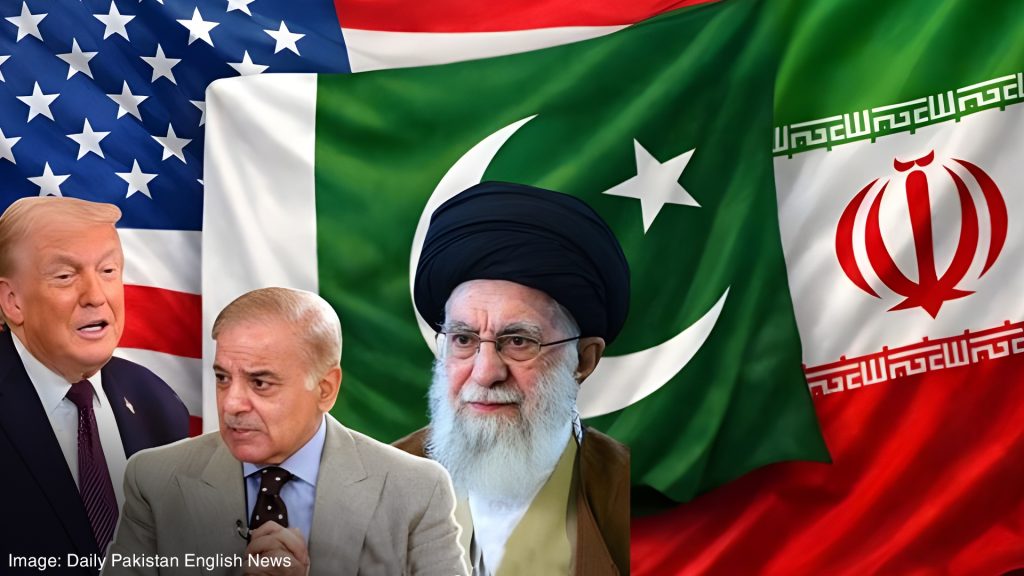
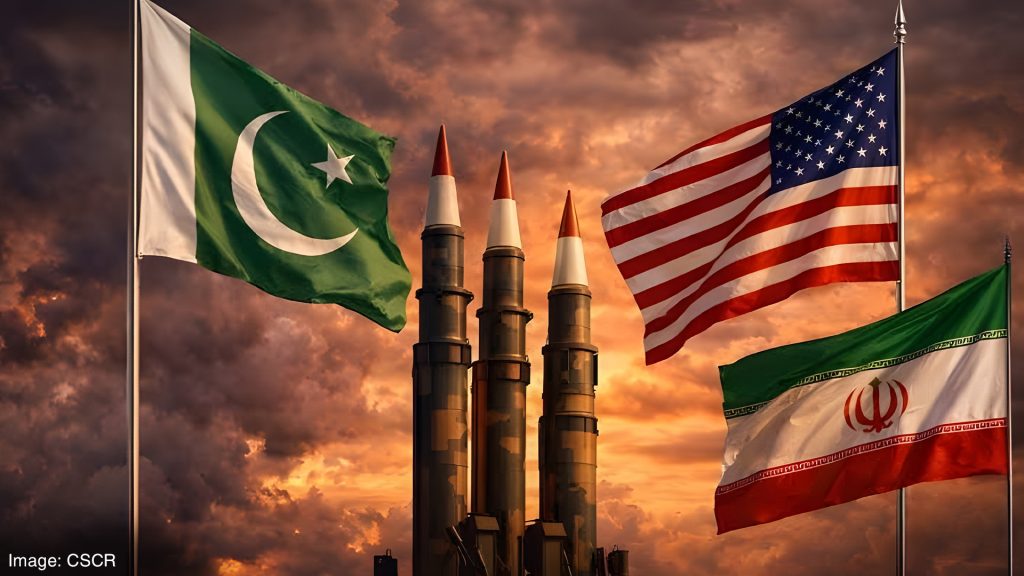
Pakistan’s role as the primary intermediary between the United States and Iran has rapidly become one of the most dangerous diplomatic positions any country has occupied in recent memory. What began as a regional mediation effort has evolved into a full geopolitical storm involving terrorism, propaganda campaigns, a live naval blockade, and growing fears inside Islamabad that the country’s decision to step into this negotiation has placed it directly in the crossfire of forces that want the talks to fail.

The CBS Report That Triggered The Storm

The controversy ignited after CBS News reported that US officials told the network Pakistan had allowed Iranian military aircraft to park at Pakistani airfields during the ceasefire period, potentially shielding them from American strikes. The report immediately triggered outrage among anti-Iran voices in Washington and across Indian media networks, where Pakistan was accused of playing both sides while publicly presenting itself as a neutral mediator.

Pakistan’s response revealed a more complicated reality.

Islamabad did not deny that Iranian aircraft were present in the country. Pakistani officials stated the planes arrived during ongoing ceasefire diplomacy and were facilitating diplomatic personnel movement linked to the Islamabad Talks. Crucially, they confirmed that American aircraft were permitted the same logistical access during the same period, arguing that CBS’s framing deliberately stripped away the diplomatic context to make neutral host behavior look like covert alignment.

Trump Backed Pakistan. His Own Party Did Not.

The timing has raised alarms inside Pakistan.

Only hours before the accusations intensified, US President Donald Trump publicly praised Pakistan’s mediation efforts, naming Prime Minister Shehbaz Sharif and Army Chief Field Marshal Asim Munir directly. The Pentagon stayed silent when pressed. When Senator Lindsey Graham used a Senate Appropriations Subcommittee on Defense hearing to demand that Defense Secretary Pete Hegseth and Joint Chiefs Chairman Dan Caine confirm the aircraft claims, both declined to comment, citing the sensitivity of ongoing negotiations.

Graham’s attack on Pakistan needs context. He has spent months calling for regime change in Iran, has repeatedly argued against any diplomatic concessions, and is widely seen in Islamabad as part of the faction in Washington that does not want a deal at all. His target was not Pakistan’s neutrality. His target was the process itself.

The Stakes Are Nuclear

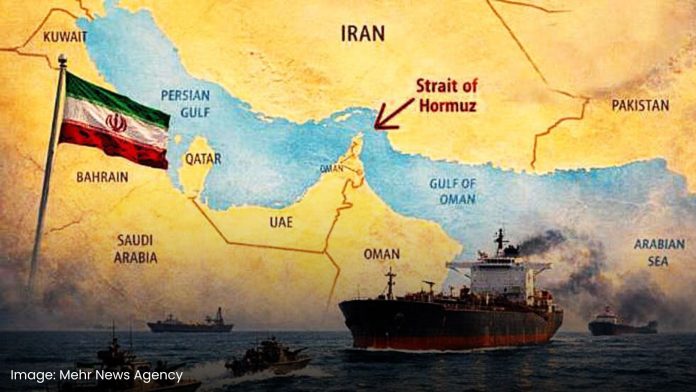
What is being mediated is not a simple ceasefire. The US proposal delivered to Tehran via Pakistan demands Iran halt all uranium enrichment for at least 12 years and surrender its stockpile of uranium enriched to 60 percent. Iran has called these terms unrealistic. A live naval standoff continues in the Strait of Hormuz, through which roughly a fifth of the world’s oil passes. Iran has closed the strait to foreign shipping and captured several foreign-flagged vessels. The US Navy briefly began escorting commercial ships through the strait before pausing operations the same day at Pakistan’s request, with Trump citing great progress toward a final agreement.

Iran’s formal response to the latest US proposal was delivered to Washington through Pakistan. Vance, Witkoff and Jared Kushner are all working through Pakistani intermediaries. No other country on earth is playing this role, and the Trump-Xi summit on May 14 and 15 adds further urgency, with the US pressing China to lean on Tehran as deadlines converge.

Pakistan’s Western Border Is Simultaneously On Fire

While managing this diplomacy, Pakistan is fighting on another front entirely.

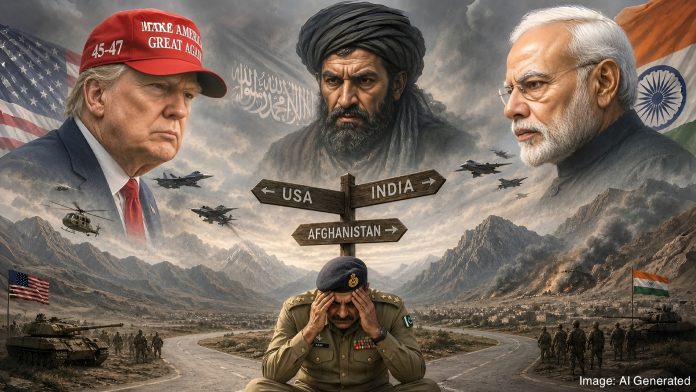
Terror attacks linked to militant networks operating from Afghan territory have risen sharply, stretching Pakistan’s security establishment at the worst possible moment. Pakistan’s Ministry of Information has publicly identified specific Afghan and Indian social media accounts it says were responsible for spreading false claims earlier this year that US aircraft were staging attacks on Iran directly from Pakistani bases, a disinformation campaign Islamabad describes as coordinated. Pakistani officials now argue the airbase controversy is a continuation of the same information war.

Is Pakistan Being Cornered?

The pattern is too consistent to dismiss.

On one front, Afghan and Indian-linked social media networks are running a documented disinformation campaign targeting Pakistan’s credibility as a mediator. On another, a powerful faction inside the US Senate is using intelligence claims of disputed origin to publicly demand Pakistan be removed from the process entirely. On a third, terrorist networks operating from Afghan soil are hitting Pakistan’s security forces at a tempo that has not been seen in years. All of it is happening at the same time. All of it lands on the same target.

Pakistan’s Ministry of Information has already named the accounts. The Senate hearing record shows Graham pressing the Pentagon to confirm claims it would not confirm. The timing of the CBS report, published days before a critical round of diplomacy, has been noted by Pakistani officials and analysts alike.

Pakistan is not a passive actor here. It is the only country on earth that Iran trusts enough to carry its proposals to Washington and that Washington trusts enough to carry its proposals back to Tehran. Removing Pakistan from this process does not just weaken Islamabad. It kills the last functioning channel between two nuclear-armed adversaries on the edge of resumed war.

Pakistan’s economy was already on the edge before this crisis. Schools were closed and a four-day government work week imposed to conserve energy as the Hormuz blockade cut into fuel supplies. Saudi Arabia stepped in with a 3 billion dollar emergency injection in April. Islamabad is not mediating from strength. It is mediating to survive. And the forces working to discredit it know exactly what they are doing.
If this diplomacy collapses, the Strait stays closed, oil prices spike further, and Pakistan bears the economic cost of a war it tried harder than anyone to stop. The country that stopped a war is now being punished for trying to end it.

Sources: CBS News, Al Jazeera, Dawn, Geo News, Arab News, CSIS, Stimson Center, Pakistan Ministry of Information, AP, Senate Appropriations Subcommittee on Defense hearing transcripts, IRNA.

#Pakistan #Iran #USA #Trump #AsimMunir #ShehbazSharif #India #Afghanistan #MiddleEast #Geopolitics #Diplomacy #USIran #WorldNews #SouthAsia #NuclearDeal #BreakingNews #Islamabad #ForeignPolicy #GlobalAffairs #Verum
Pakistan is physically carrying messages between two nuclear powers that refuse to speak directly to each other. Now someone in Washington and beyond wants it to stop.

Pakistan’s role as the primary intermediary between the United States and Iran has rapidly become one of the most dangerous diplomatic positions any country has occupied in recent memory. What began as a regional mediation effort has evolved into a full geopolitical storm involving terrorism, propaganda campaigns, a live naval blockade, and growing fears inside Islamabad that the country’s decision to step into this negotiation has placed it directly in the crossfire of forces that want the talks to fail.

The CBS Report That Triggered The Storm

The controversy ignited after CBS News reported that US officials told the network Pakistan had allowed Iranian military aircraft to park at Pakistani airfields during the ceasefire period, potentially shielding them from American strikes. The report immediately triggered outrage among anti-Iran voices in Washington and across Indian media networks, where Pakistan was accused of playing both sides while publicly presenting itself as a neutral mediator.

Pakistan’s response revealed a more complicated reality.

Islamabad did not deny that Iranian aircraft were present in the country. Pakistani officials stated the planes arrived during ongoing ceasefire diplomacy and were facilitating diplomatic personnel movement linked to the Islamabad Talks. Crucially, they confirmed that American aircraft were permitted the same logistical access during the same period, arguing that CBS’s framing deliberately stripped away the diplomatic context to make neutral host behavior look like covert alignment.

Trump Backed Pakistan. His Own Party Did Not.

The timing has raised alarms inside Pakistan.

Only hours before the accusations intensified, US President Donald Trump publicly praised Pakistan’s mediation efforts, naming Prime Minister Shehbaz Sharif and Army Chief Field Marshal Asim Munir directly. The Pentagon stayed silent when pressed. When Senator Lindsey Graham used a Senate Appropriations Subcommittee on Defense hearing to demand that Defense Secretary Pete Hegseth and Joint Chiefs Chairman Dan Caine confirm the aircraft claims, both declined to comment, citing the sensitivity of ongoing negotiations.

Graham’s attack on Pakistan needs context. He has spent months calling for regime change in Iran, has repeatedly argued against any diplomatic concessions, and is widely seen in Islamabad as part of the faction in Washington that does not want a deal at all. His target was not Pakistan’s neutrality. His target was the process itself.

The Stakes Are Nuclear

What is being mediated is not a simple ceasefire. The US proposal delivered to Tehran via Pakistan demands Iran halt all uranium enrichment for at least 12 years and surrender its stockpile of uranium enriched to 60 percent. Iran has called these terms unrealistic. A live naval standoff continues in the Strait of Hormuz, through which roughly a fifth of the world’s oil passes. Iran has closed the strait to foreign shipping and captured several foreign-flagged vessels. The US Navy briefly began escorting commercial ships through the strait before pausing operations the same day at Pakistan’s request, with Trump citing great progress toward a final agreement.

Iran’s formal response to the latest US proposal was delivered to Washington through Pakistan. Vance, Witkoff and Jared Kushner are all working through Pakistani intermediaries. No other country on earth is playing this role, and the Trump-Xi summit on May 14 and 15 adds further urgency, with the US pressing China to lean on Tehran as deadlines converge.

Pakistan’s Western Border Is Simultaneously On Fire

While managing this diplomacy, Pakistan is fighting on another front entirely.

Terror attacks linked to militant networks operating from Afghan territory have risen sharply, stretching Pakistan’s security establishment at the worst possible moment. Pakistan’s Ministry of Information has publicly identified specific Afghan and Indian social media accounts it says were responsible for spreading false claims earlier this year that US aircraft were staging attacks on Iran directly from Pakistani bases, a disinformation campaign Islamabad describes as coordinated. Pakistani officials now argue the airbase controversy is a continuation of the same information war.

Is Pakistan Being Cornered?

The pattern is too consistent to dismiss.

On one front, Afghan and Indian-linked social media networks are running a documented disinformation campaign targeting Pakistan’s credibility as a mediator. On another, a powerful faction inside the US Senate is using intelligence claims of disputed origin to publicly demand Pakistan be removed from the process entirely. On a third, terrorist networks operating from Afghan soil are hitting Pakistan’s security forces at a tempo that has not been seen in years. All of it is happening at the same time. All of it lands on the same target.

Pakistan’s Ministry of Information has already named the accounts. The Senate hearing record shows Graham pressing the Pentagon to confirm claims it would not confirm. The timing of the CBS report, published days before a critical round of diplomacy, has been noted by Pakistani officials and analysts alike.

Pakistan is not a passive actor here. It is the only country on earth that Iran trusts enough to carry its proposals to Washington and that Washington trusts enough to carry its proposals back to Tehran. Removing Pakistan from this process does not just weaken Islamabad. It kills the last functioning channel between two nuclear-armed adversaries on the edge of resumed war.

Pakistan’s economy was already on the edge before this crisis. Schools were closed and a four-day government work week imposed to conserve energy as the Hormuz blockade cut into fuel supplies. Saudi Arabia stepped in with a 3 billion dollar emergency injection in April. Islamabad is not mediating from strength. It is mediating to survive. And the forces working to discredit it know exactly what they are doing.

If this diplomacy collapses, the Strait stays closed, oil prices spike further, and Pakistan bears the economic cost of a war it tried harder than anyone to stop. The country that stopped a war is now being punished for trying to end it.

Sources: CBS News, Al Jazeera, Dawn, Geo News, Arab News, CSIS, Stimson Center, Pakistan Ministry of Information, AP, Senate Appropriations Subcommittee on Defense hearing transcripts, IRNA.

#Pakistan #Iran #USA #Trump #AsimMunir #ShehbazSharif #India #Afghanistan #MiddleEast #Geopolitics #Diplomacy #USIran #WorldNews #SouthAsia #NuclearDeal #BreakingNews #Islamabad #ForeignPolicy #GlobalAffairs #Verum

spot_img

Explore more

spot_img
Global Affairs

Trump Cut Off Cuba’s Oil. Now Its People Are Preparing For...

A French Company Paid Terrorists To Keep A Factory Running. Now...

They Were Burned Alive In Their Sleep. Police Say Their Classmates...

Musk Amplified The Rage. AI Made The Hitlist. Belfast Burned.

From Settlement Sales To Celebrity Ads: The Business Of Selling Israeli...

Bodies Of Evidence: The Explosive Al Jazeera Film Exposing Horrors Inside...

Isr*el Is Burning Lebanon From The Sky