Starving in the Shadow of War.

There is a number that should be impossible to read without stopping. Two hundred and sixty six million. That is how many people across 47 countries were living in acute food insecurity in 2025, according to the Global Report on Food Crises released this week. That is nearly double the figure from 2016. In ten years, the world has not solved hunger. It has watched it multiply.

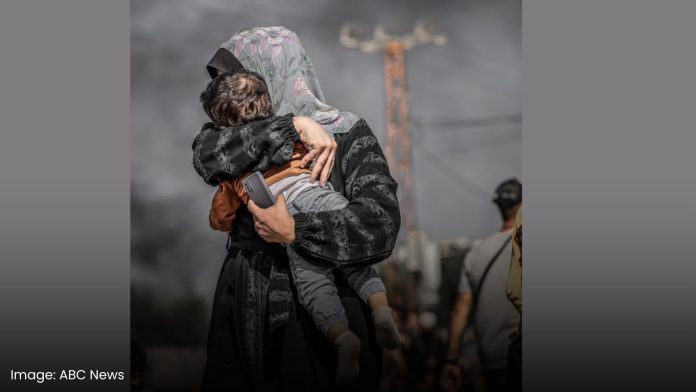
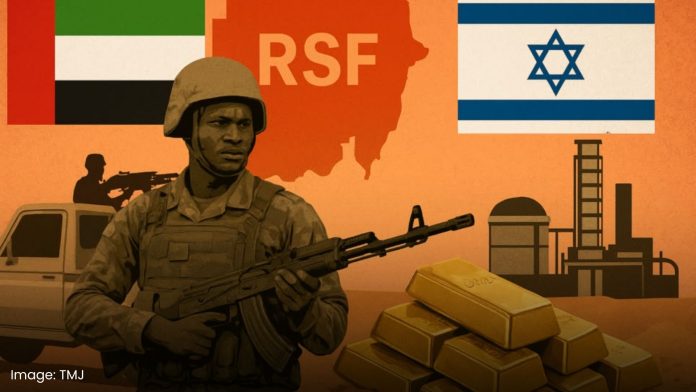
And then there are the two words that changed the nature of this report entirely. Famine confirmed. Not feared. Not approaching. Confirmed. In Gaza. And in Sudan. In the same year. That has never happened before in the ten-year history of this report. Two separate famines, simultaneously, on two different continents. The organizations that track these things have a very high bar for using the word famine. When they use it twice in one sentence, the world should be paying attention.

Pakistan sits on this list too. Eleven million people facing acute food insecurity in 2025. But those are not just numbers on a classification chart. They are families in Sindh and Balochistan who watched floods take their crops last monsoon season and have not recovered. They are children classified in “emergency” conditions, one level below famine, going to sleep hungry in a country that is simultaneously hosting the world’s most critical peace talks. The contradiction is almost unbearable.

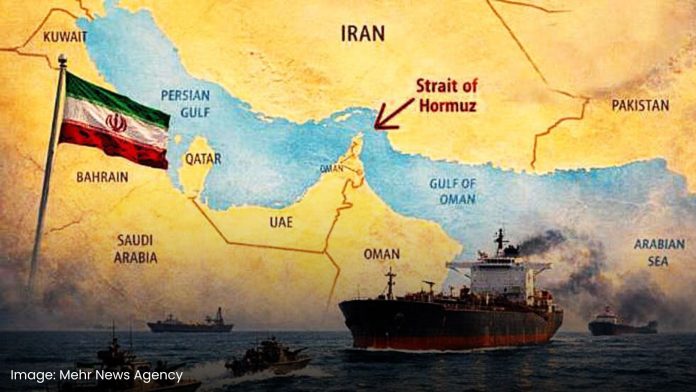
The reason this crisis is accelerating has a name. The Strait of Hormuz. Closed since March 2026, the strait carries between 20 and 30 percent of the world’s oil, liquefied natural gas, and chemical fertilizer exports. Sudan imports more than half its fertilizers from the Gulf. Kenya sources 40 percent of its fertilizer from the same region and relies on imported wheat for 90 percent of its supply. In East Africa, Tanzania, Somalia, and Mozambique are all facing acute shortages. Since the closure, fertilizer prices have jumped 30 to 40 percent. Picture a farmer in Punjab or Nakuru staring at seed prices he cannot afford and fertilizer that has not arrived. He plants less. Or nothing. That choice, made by millions of farmers simultaneously across Asia and Africa, is what the harvest of 2027 will look like. The FAO has already warned the losses will reach hundreds of millions of tons across wheat, maize, and soybeans.

The IMF put numbers to the macro picture in its April 2026 World Economic Outlook. Global growth revised down to 3.1 percent. Inflation ticking back up after years of decline. In an adverse scenario, growth drops to 2.5 percent and inflation hits 5.4 percent. In the worst case, where the Strait stays closed into next year and financial conditions tighten sharply, growth falls to 2 percent and inflation exceeds 6 percent. The IMF calls that potentially the worst energy crisis in modern history. Behind every decimal point in those projections is a family somewhere deciding which meal to skip.

Egypt has ordered cafes and restaurants to close at 9pm. Jobs across the region are vanishing. Food prices in Gaza are 85 percent higher than before the war began. The WFP has had to reroute food shipments for Sudan through a longer Red Sea path because the normal route is no longer safe. Every detour costs time. Every delay costs lives.

The UN Secretary-General called this report a call to action. Aid agencies are calling it a system failure. The truth is it is both, and neither description quite captures what it feels like to read a document that confirms, matter-of-factly, that the world set records for hunger last year and is on track to set more this year. Two famines. Two hundred and sixty six million people. A closed strait. A shrinking harvest. The shadow of this war is longer than most people realize, and it is falling on tables far from the Middle East.

Sources: UN News, Dawn, FAO, WFP, IMF World Economic Outlook April 2026, Joint Research Centre EU
There is a number that should be impossible to read without stopping. Two hundred and sixty six million. That is how many people across 47 countries were living in acute food insecurity in 2025, according to the Global Report on Food Crises released this week. That is nearly double the figure from 2016. In ten years, the world has not solved hunger. It has watched it multiply.

And then there are the two words that changed the nature of this report entirely. Famine confirmed. Not feared. Not approaching. Confirmed. In Gaza. And in Sudan. In the same year. That has never happened before in the ten-year history of this report. Two separate famines, simultaneously, on two different continents. The organizations that track these things have a very high bar for using the word famine. When they use it twice in one sentence, the world should be paying attention.

Pakistan sits on this list too. Eleven million people facing acute food insecurity in 2025. But those are not just numbers on a classification chart. They are families in Sindh and Balochistan who watched floods take their crops last monsoon season and have not recovered. They are children classified in “emergency” conditions, one level below famine, going to sleep hungry in a country that is simultaneously hosting the world’s most critical peace talks. The contradiction is almost unbearable.

The reason this crisis is accelerating has a name. The Strait of Hormuz. Closed since March 2026, the strait carries between 20 and 30 percent of the world’s oil, liquefied natural gas, and chemical fertilizer exports. Sudan imports more than half its fertilizers from the Gulf. Kenya sources 40 percent of its fertilizer from the same region and relies on imported wheat for 90 percent of its supply. In East Africa, Tanzania, Somalia, and Mozambique are all facing acute shortages. Since the closure, fertilizer prices have jumped 30 to 40 percent. Picture a farmer in Punjab or Nakuru staring at seed prices he cannot afford and fertilizer that has not arrived. He plants less. Or nothing. That choice, made by millions of farmers simultaneously across Asia and Africa, is what the harvest of 2027 will look like. The FAO has already warned the losses will reach hundreds of millions of tons across wheat, maize, and soybeans.

The IMF put numbers to the macro picture in its April 2026 World Economic Outlook. Global growth revised down to 3.1 percent. Inflation ticking back up after years of decline. In an adverse scenario, growth drops to 2.5 percent and inflation hits 5.4 percent. In the worst case, where the Strait stays closed into next year and financial conditions tighten sharply, growth falls to 2 percent and inflation exceeds 6 percent. The IMF calls that potentially the worst energy crisis in modern history. Behind every decimal point in those projections is a family somewhere deciding which meal to skip.

Egypt has ordered cafes and restaurants to close at 9pm. Jobs across the region are vanishing. Food prices in Gaza are 85 percent higher than before the war began. The WFP has had to reroute food shipments for Sudan through a longer Red Sea path because the normal route is no longer safe. Every detour costs time. Every delay costs lives.

The UN Secretary-General called this report a call to action. Aid agencies are calling it a system failure. The truth is it is both, and neither description quite captures what it feels like to read a document that confirms, matter-of-factly, that the world set records for hunger last year and is on track to set more this year. Two famines. Two hundred and sixty six million people. A closed strait. A shrinking harvest. The shadow of this war is longer than most people realize, and it is falling on tables far from the Middle East.

Sources: UN News, Dawn, FAO, WFP, IMF World Economic Outlook April 2026, Joint Research Centre EU

spot_img

Explore more

spot_img
Global Affairs

Burkina Faso Just Ended a Bill Gates-Funded Science Experiment on Africans

Maldives “Death Cave” Claims Six Lives

Why Is The Pentagon Releasing UFO Files Now?

The Files Came Out. The TRUTH Didn’t.

They Dissolved A Prime Minister In Acid

Lahore Restores History As India Renames Cities

The World’s Silent Psychological Collapse

The Image Isr*el Can’t Escape