Sudan’s War Is Now A Story Of Ethnic Cleansing, Famine And Foreign Power
By Verity Quill
Sudan’s War Has Entered A Darker Chapter
Sudan’s civil war is now being described in terms that should have forced global attention: ethnic cleansing, crimes against humanity, famine, disease collapse, drone warfare and foreign supply lines.
Amnesty International says the Rapid Support Forces carried out ethnic cleansing and crimes against humanity during their campaign in El Fasher, North Darfur. The group says its findings are based on survivor testimony, satellite imagery and verified visual evidence. AP reported that Amnesty accused senior RSF commanders of grave violations including killings, rape, torture, enslavement and extermination.
The Survivors Are Carrying The War On Their Bodies
The human cost is not abstract. AP has documented Sudanese survivors living with amputations, trauma, sexual violence, displacement and injuries from shelling and attacks. These are not just statistics from another distant war. They are people whose bodies now carry the record of what happened when the world stopped paying attention.
Sudan Has Become A Drone War On Civilians
The violence is also changing shape. UN human rights chief Volker Türk said more than 1,000 civilians were killed by drone strikes in Sudan in the first five months of 2026. His office also warned of a sharp rise in drone attacks, rape and sexual violence as the conflict entered its fourth year. Armed drones are now the leading cause of civilian death in this war, responsible for more than 80 percent of civilian deaths earlier this year, according to his office.
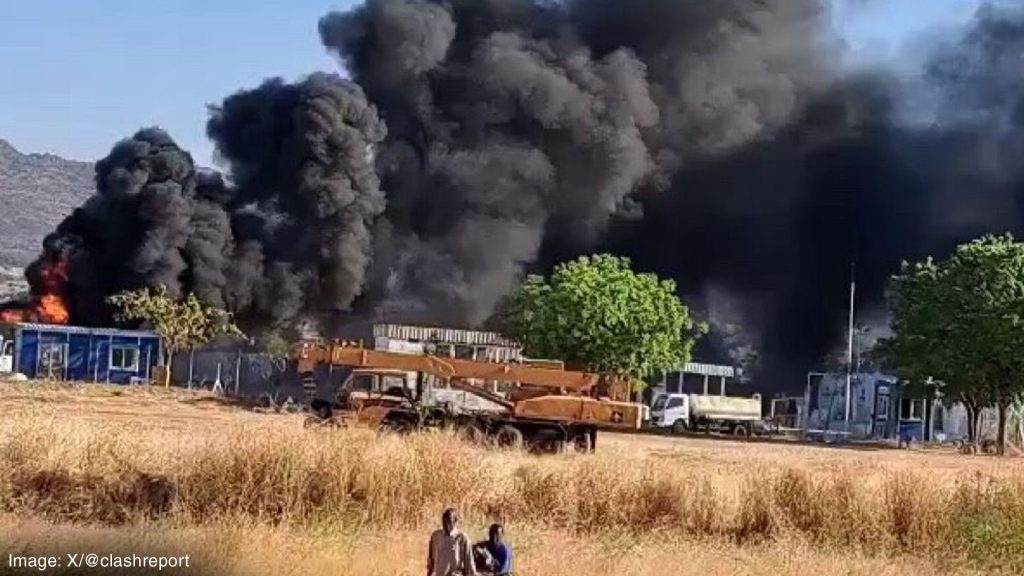
That matters because drones are not just changing the battlefield. They are changing where civilians can survive. Markets, hospitals, displacement camps and basic infrastructure are increasingly exposed in a war where millions already need help.
Famine And Disease Are Now Part Of The Same Collapse
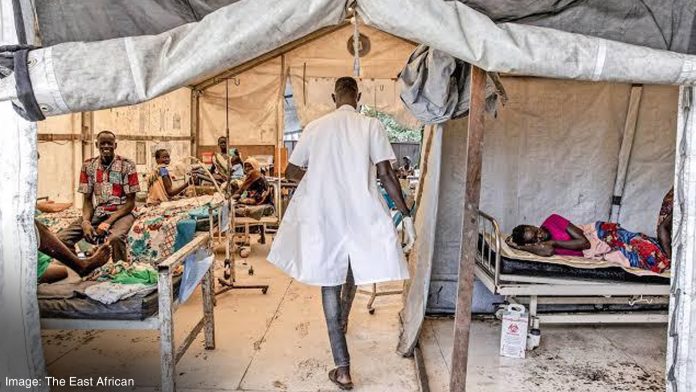
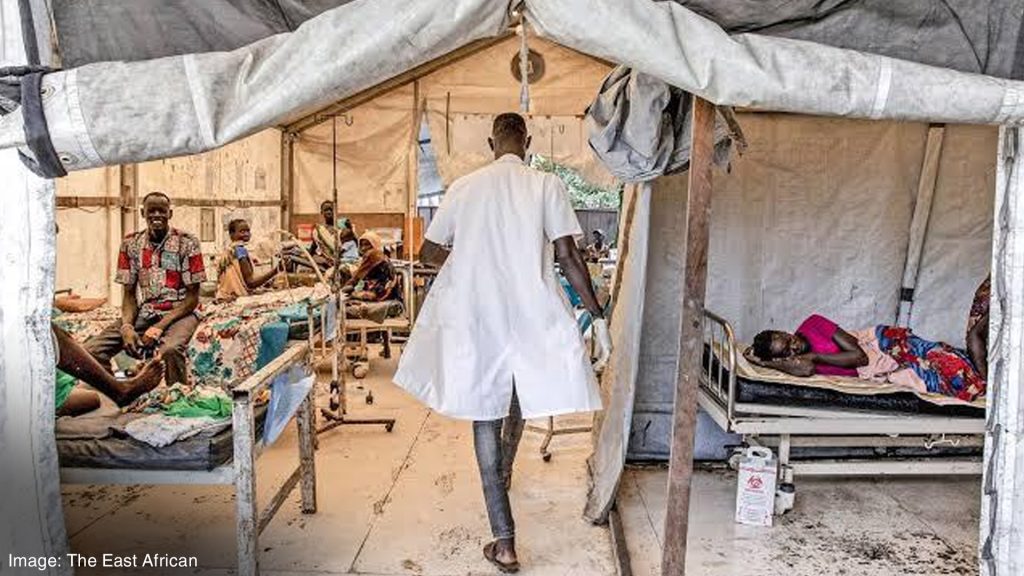
Surviving the fighting does not mean surviving Sudan. The country is already facing one of the world’s worst hunger crises, and disease is spreading through the wreckage. WHO says a cholera outbreak has killed 120 people, with 1,102 suspected cases since May in isolated war zones. It is Sudan’s third cholera wave in three years, arriving just two months after the last outbreak was declared over, with the rainy season about to make it worse.
The outbreak was declared this week in West Kordofan and is already spreading into North Kordofan, where the UN warns the RSF is preparing a ground assault on the state capital El-Obeid. Drone strikes on the city’s power stations are already cutting access to drinking water and electricity. The drones and the disease are not separate stories. One is creating the conditions for the other.
WHO’s Sudan chief says 40 percent of the country’s health facilities are completely non-functional and the rest only partially work. Displacement camps are overcrowded. Heat, hunger, contaminated water and broken healthcare are turning war into something wider: a public health disaster.
A Gulf Crisis Can Reach Sudan’s Fields
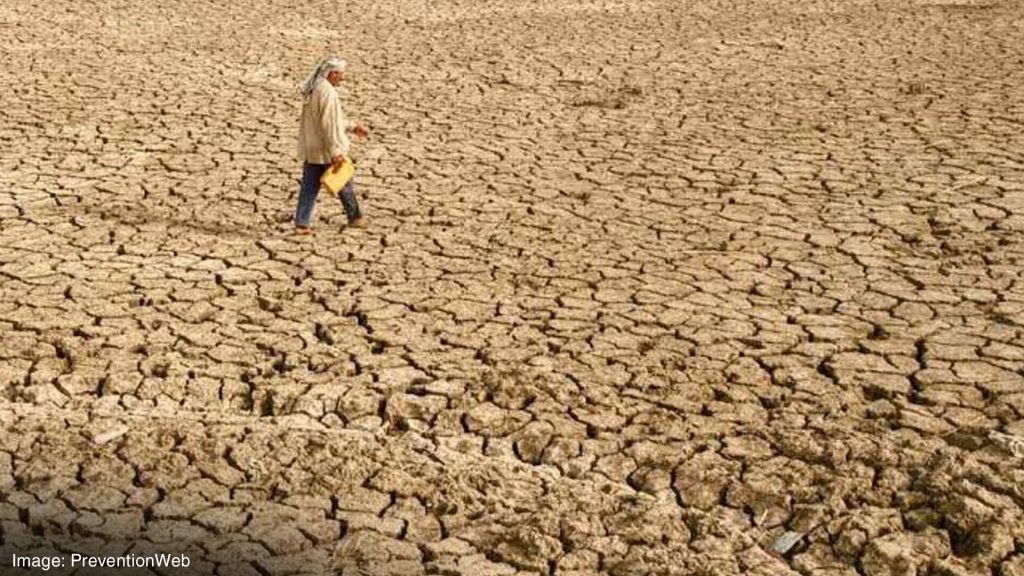
Sudan’s catastrophe is also connected to supply chains far beyond Africa. UN-linked trade reporting shows Sudan depends heavily on fertiliser moving through the Strait of Hormuz, with reports citing Sudan’s dependence at 54% of fertiliser imports, more than any other nation.
That is the brutal logic of modern crisis: a war in the Gulf can threaten farming in Sudan from thousands of kilometres away.
Foreign Power Keeps Haunting The War
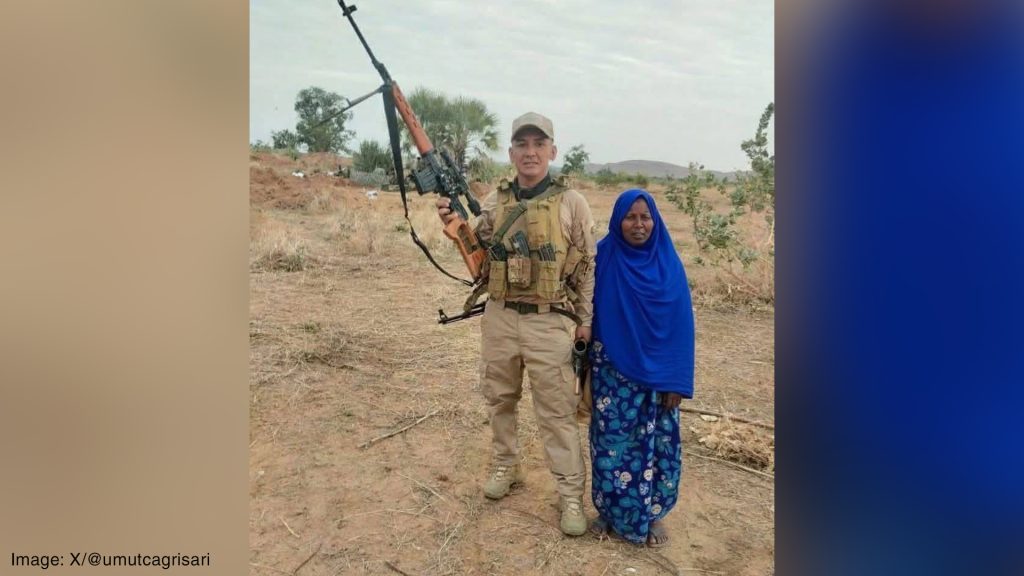
Sudan’s war is not only internal. Human Rights Watch says Colombian private military contractors, apparently hired by a UAE-based company, transited through UAE military bases before being deployed to Sudan to support the RSF. HRW said this was further evidence indicating UAE assistance or substantial contribution to the RSF’s capacity to commit war crimes.
Middle East Eye has also reported alleged UAE support for the RSF through Libya’s Haftar network. Reuters has reported that Sudan has accused the UAE of backing the RSF, while the UAE denies arming the group.
The Silence Is Part Of The Story
Sudan is not invisible because nobody knows what is happening. The reports exist. The images exist. The bodies exist.
The question is why a crisis involving ethnic-cleansing allegations, famine, drone warfare, disease and alleged foreign backing can still struggle for sustained global urgency. Sudanese civilians are being asked to survive a war shaped by local fighters, regional power, global supply chains and international indifference.
The tragedy is not that nobody can explain what is happening.
It is that too many people already know and still look away.
Sources Used
Amnesty International | AP | Human Rights Watch | Middle East Eye | Arab News | The Guardian | WHO | UN News | Al Jazeera