By Shizza Farooqui
A Phone Call That Exposed The Trump-Netanyahu Rift
On June 1, Trump said the shooting would stop. By nightfall, it had not.
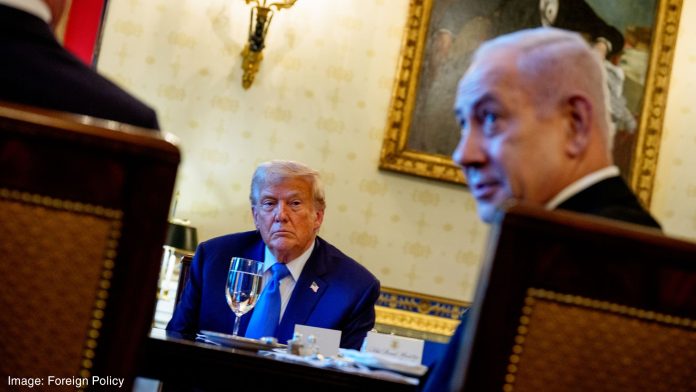
Trump told the world he had spoken to Benjamin Netanyahu and, through intermediaries, to Hezbollah. His message was simple: the shooting would stop. Reuters reported that no Isr*eli troops would go to Beirut, and that any forces already moving toward the city would be turned back. But the public message from Netanyahu was not the same.
Netanyahu said Isr*el’s position had not changed. If Hezbollah continued attacking Isr*eli cities and civilians, Isr*el would strike Hezbollah targets in Beirut. He also said the Isr*eli military would keep operating in southern Lebanon. That was the contradiction at the center of the crisis.
Trump tried to present control. Netanyahu presented conditions. That is where the humiliation sits.
“You’d Be In Prison If It Weren’t For Me”
The call did not stay diplomatic for long. According to Axios, citing a US official, Trump “steamrolled” Netanyahu. The exchange became one of the worst between the two leaders since Trump returned to office. Trump reportedly told Netanyahu: “You’re f***ing crazy. You’d be in prison if it weren’t for me. I’m saving your ass. Everybody hates you now. Everybody hates Isr*el because of this.”
Trump’s fury was not just personal. It was strategic. He accused Netanyahu of ingratitude, of threatening to bomb Beirut while Trump was working to hold together a fragile Iran deal, a Gaza ceasefire, and a regional architecture already under severe strain.
After the call, Netanyahu agreed to hold off on Beirut. But he said operations in southern Lebanon would continue as planned.
Families Fled While Leaders Argued
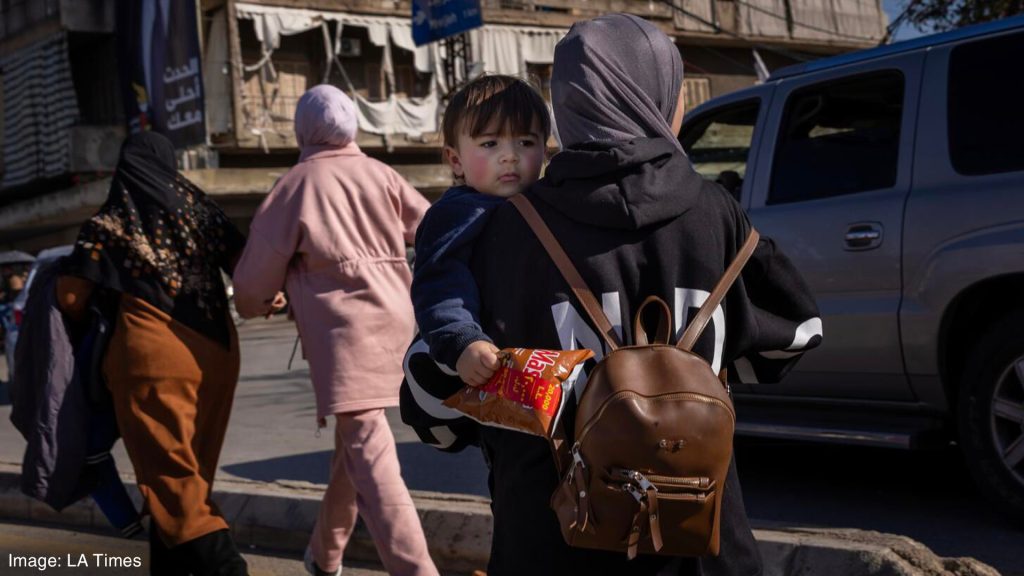
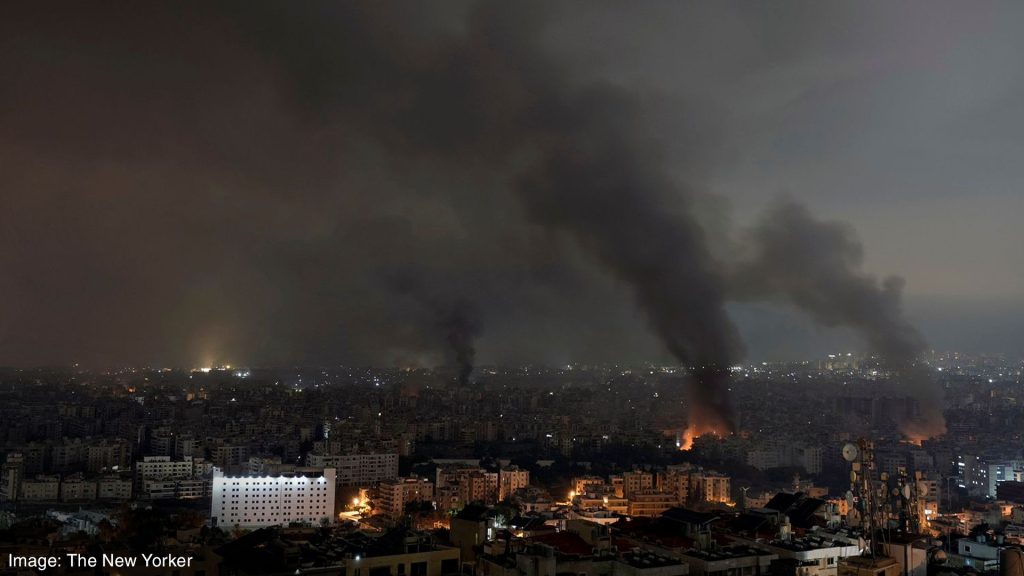
While the call was happening, Beirut was already moving. Reuters reported that Netanyahu had ordered attacks on Hezbollah targets in Beirut’s southern suburbs, Dahiyeh. Thousands of residents began leaving by car, motorcycle, and on foot. The UN said southern Lebanon was “in flames” and Beirut’s roads were “choked with people fleeing their homes.”
Hezbollah Signaled Yes. The War Did Not Stop.
Lebanon’s embassy in Washington confirmed that Hezbollah had accepted a US-backed proposal for a mutual halt. Isr*el would stop strikes on Beirut’s southern suburbs. Hezbollah would stop attacks on Isr*el. Instead, AP reported that widespread Isr*eli strikes continued hitting towns in southern Lebanon as Isr*eli ground forces pushed deeper into Lebanese territory.
Iran, Gaza, And The Price Of Oil
Al Jazeera reported that Iran warned ceasefire talks could collapse entirely without an Isr*eli pullback in both Lebanon and Gaza. Brent crude jumped 4.2% on June 1 alone, settling at $94.98 a barrel. The Trump administration has already released 58 million barrels — 14% of America’s emergency oil stockpile — to ease the supply crisis. At the same time, Egypt warned Isr*el that escalating attacks on Gaza could push the fragile October ceasefire to the brink of collapse.
America’s Middle East Grip Is Slipping
The most powerful image is not Trump shouting. It is families leaving Beirut’s southern suburbs while Washington, Tel Aviv, Beirut, Tehran, and Cairo all try to define what the ceasefire even means. This is not just a rift between two leaders. It is the sound of America’s Middle East grip slipping, live, in public, with the whole region watching.
By Shizza Farooqui
Sources
Axios | Reuters | AP | Times of Israel | Al Jazeera | CNN