The Ceasefire Died Near Hormuz Last Night.

A U.S. Apache Goes Down Near The Strait Of Hormuz

The ceasefire is still officially alive, but the region is no longer acting like it is.

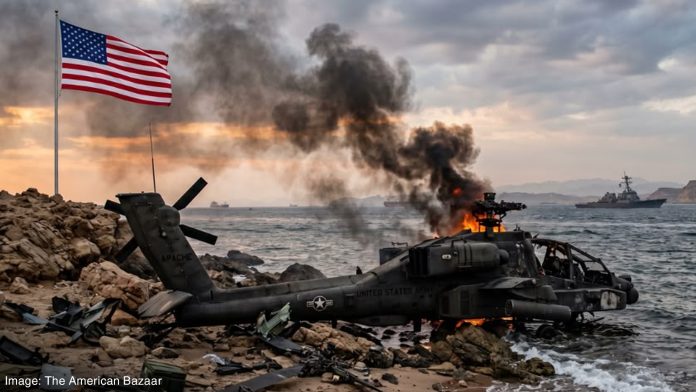
The latest escalation began when a U.S. Army Apache helicopter went down near Oman while patrolling waters close to the Strait of Hormuz. At 11:33 GMT on June 8, the AH-64 Apache encountered trouble during a routine mission. Both crew members were rescued alive in a historic first: a U.S. Navy Saronic Corsair drone boat, operated by Task Force 59, reached the downed pilots within two hours, pulling them from the water off the Omani coast.

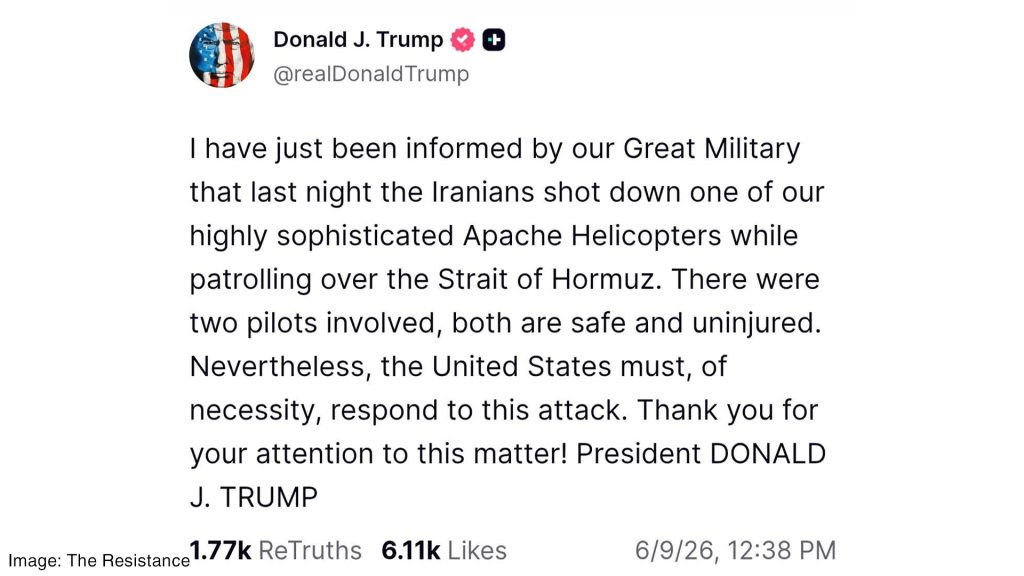
CENTCOM’s first account said the cause of the crash was still under investigation. That detail matters because the exact cause was not immediately confirmed. But the political reaction moved faster than the investigation. President Donald Trump blamed Iran publicly on Truth Social, writing that the Apache was shot down “while patrolling over the Strait of Hormuz” and declaring the U.S. “must, of necessity, respond to this attack.” Iran’s Foreign Minister Abbas Araghchi said foreign military forces near Iranian territory were “at constant risk” but stopped short of claiming responsibility. Iran’s state broadcaster reported no offensive operations had been carried out in the strait in the prior 24 hours.

U.S. Strikes Iranian Military Sites Near Hormuz

By 5pm ET on June 9, CENTCOM launched what it called “self-defense strikes” against Iran.
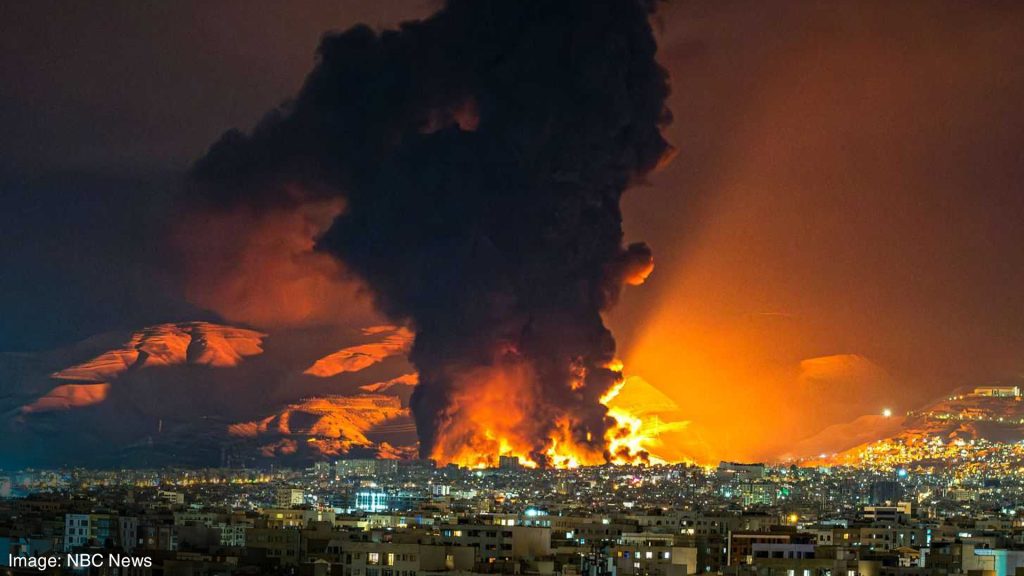
In its official statement, CENTCOM confirmed: “CENTCOM forces struck Iranian air defense, ground control stations, and surveillance radar sites near the Strait of Hormuz with precision munitions from U.S. Air Force and Navy fighter jets.” The operation was described as “a proportional response to unjustified Iranian aggression.” It ran in three waves, beginning at 5pm ET and concluding just before 1am GMT on June 10.

Explosions were reported in Qeshm Island, Sirik, Jask, Bandar Abbas and Minab. Bandar Abbas is the IRGC Navy’s primary command hub for Hormuz operations and was struck at least twice. Iranian authorities confirmed damage to a telecommunications tower in Sirik and two water tanks in the Bemani district, cutting off drinking water to the local area. Nearly 20 Iranian targets were hit across the operation. House Speaker Mike Johnson confirmed he was notified in advance and called the strikes “proportional and limited.”

Iran Retaliates Across Jordan, Bahrain And Kuwait
Iran’s response widened the battlefield significantly.

The IRGC claimed attacks on U.S. targets across Jordan, Bahrain and Kuwait. The Guards said they launched drone attacks on the U.S. Fifth Fleet headquarters in Bahrain and the Ali Al Salem airbase in Kuwait, as well as long-range Kheibar Shekan solid-fuel ballistic missile strikes on the Al-Azraq airbase in Jordan. The IRGC said it struck 21 U.S. military targets across the region and destroyed four of them, including F-35 fighter jet hangars at Al-Azraq. It also claimed to have shot down a U.S. MQ-9 Reaper drone over Jam County in Iran’s Bushehr Province.

A U.S. official told CNN that nearly all Iranian missiles and drones were intercepted, with no immediate reports of U.S. casualties or confirmed structural damage. Jordan’s military said it intercepted five Iranian missiles. Kuwait activated air defenses. Air raid sirens sounded across Bahrain. Verum is treating confirmed interceptions as verified while the damage claims remain attributed to Iranian sources.

Why The Strait Of Hormuz Makes This Everybody’s Problem

This is why the story matters beyond one downed helicopter.

The Strait of Hormuz is not just a military corridor. It is the world’s most critical energy chokepoint, carrying roughly 20 million barrels of oil per day and approximately one fifth of the world’s liquefied natural gas. When fighting moves near Hormuz, the consequences do not stay local. They reach oil markets within hours, then shipping routes, insurance costs, trade flows and eventually the price of fuel at petrol stations across Asia, Europe and beyond.

Following the renewed exchange, oil prices rose as markets reacted to the fresh escalation. Saudi Arabia has been rerouting jet fuel exports through the Red Sea port of Yanbu since Iran’s Hormuz blockade began in February, and that figure hit its highest level since August 2025 in the first week of June. The wider supply chain is already absorbing the cost of this war. Every new escalation adds to that bill.

The Ceasefire Is Hanging By A Thread

The ceasefire is not officially dead. That remains the technical reality.

But consider what has happened in 48 hours. A U.S. Apache went down near Hormuz. Washington publicly blamed Tehran. CENTCOM launched three waves of strikes on Iranian military infrastructure. Iran retaliated with drones and ballistic missiles across three Gulf countries. Jordan, Kuwait and Bahrain moved onto alert. Iran’s foreign minister issued a public warning telling the United States to “leave our region if you want to be safe.”

That is not what a functioning ceasefire looks like. No deal has been signed. No permanent agreement has been reached. The two months since April’s truce have produced a series of short pauses punctuated by escalations exactly like this one. Nobody is officially calling it a war tonight. But three countries just went on alert. The Strait of Hormuz is still a live battleground. And peace talks that Trump described as being “two or three days” from a deal now have to survive another round of strikes and counter-strikes before they can resume.

By Shizza Farooqui

SOURCES

CENTCOM: Apache Strikes, June 9 | Al Jazeera: Apache Downed, June 9 | Al Jazeera: Iran Retaliates, June 10 | NPR: Apache Exchange, June 9 | CNN: Iran Live, June 10 | Gulf News: Drone Rescue, June 9 | Dawn: Iran War Live, June 10

A U.S. Apache Goes Down Near The Strait Of Hormuz

The ceasefire is still officially alive, but the region is no longer acting like it is.

The latest escalation began when a U.S. Army Apache helicopter went down near Oman while patrolling waters close to the Strait of Hormuz. At 11:33 GMT on June 8, the AH-64 Apache encountered trouble during a routine mission. Both crew members were rescued alive in a historic first: a U.S. Navy Saronic Corsair drone boat, operated by Task Force 59, reached the downed pilots within two hours, pulling them from the water off the Omani coast.

CENTCOM’s first account said the cause of the crash was still under investigation. That detail matters because the exact cause was not immediately confirmed. But the political reaction moved faster than the investigation. President Donald Trump blamed Iran publicly on Truth Social, writing that the Apache was shot down “while patrolling over the Strait of Hormuz” and declaring the U.S. “must, of necessity, respond to this attack.” Iran’s Foreign Minister Abbas Araghchi said foreign military forces near Iranian territory were “at constant risk” but stopped short of claiming responsibility. Iran’s state broadcaster reported no offensive operations had been carried out in the strait in the prior 24 hours.

U.S. Strikes Iranian Military Sites Near Hormuz

By 5pm ET on June 9, CENTCOM launched what it called “self-defense strikes” against Iran.

In its official statement, CENTCOM confirmed: “CENTCOM forces struck Iranian air defense, ground control stations, and surveillance radar sites near the Strait of Hormuz with precision munitions from U.S. Air Force and Navy fighter jets.” The operation was described as “a proportional response to unjustified Iranian aggression.” It ran in three waves, beginning at 5pm ET and concluding just before 1am GMT on June 10.

Explosions were reported in Qeshm Island, Sirik, Jask, Bandar Abbas and Minab. Bandar Abbas is the IRGC Navy’s primary command hub for Hormuz operations and was struck at least twice. Iranian authorities confirmed damage to a telecommunications tower in Sirik and two water tanks in the Bemani district, cutting off drinking water to the local area. Nearly 20 Iranian targets were hit across the operation. House Speaker Mike Johnson confirmed he was notified in advance and called the strikes “proportional and limited.”

Iran Retaliates Across Jordan, Bahrain And Kuwait
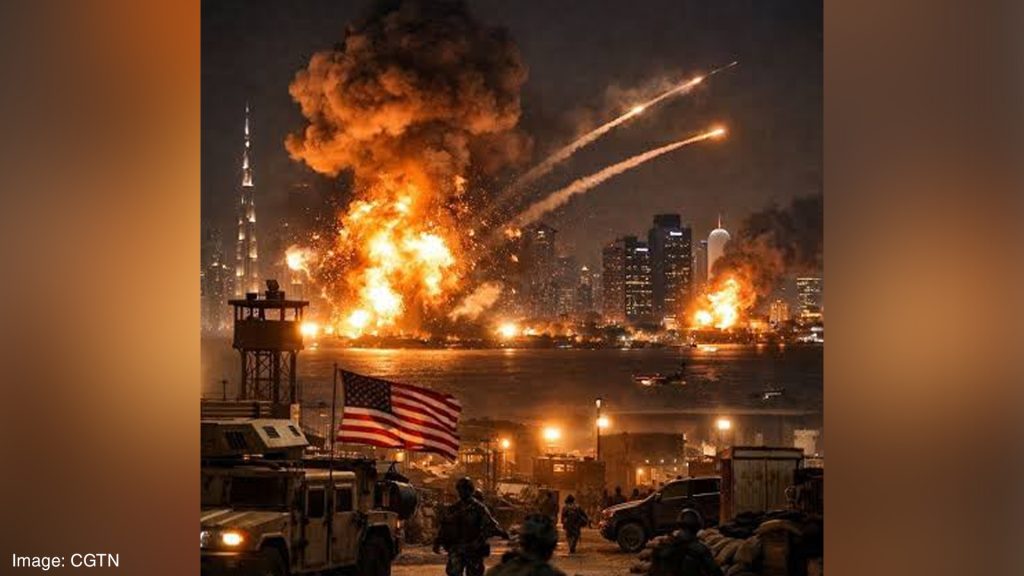
Iran’s response widened the battlefield significantly.

The IRGC claimed attacks on U.S. targets across Jordan, Bahrain and Kuwait. The Guards said they launched drone attacks on the U.S. Fifth Fleet headquarters in Bahrain and the Ali Al Salem airbase in Kuwait, as well as long-range Kheibar Shekan solid-fuel ballistic missile strikes on the Al-Azraq airbase in Jordan. The IRGC said it struck 21 U.S. military targets across the region and destroyed four of them, including F-35 fighter jet hangars at Al-Azraq. It also claimed to have shot down a U.S. MQ-9 Reaper drone over Jam County in Iran’s Bushehr Province.

A U.S. official told CNN that nearly all Iranian missiles and drones were intercepted, with no immediate reports of U.S. casualties or confirmed structural damage. Jordan’s military said it intercepted five Iranian missiles. Kuwait activated air defenses. Air raid sirens sounded across Bahrain. Verum is treating confirmed interceptions as verified while the damage claims remain attributed to Iranian sources.

Why The Strait Of Hormuz Makes This Everybody’s Problem

This is why the story matters beyond one downed helicopter.

The Strait of Hormuz is not just a military corridor. It is the world’s most critical energy chokepoint, carrying roughly 20 million barrels of oil per day and approximately one fifth of the world’s liquefied natural gas. When fighting moves near Hormuz, the consequences do not stay local. They reach oil markets within hours, then shipping routes, insurance costs, trade flows and eventually the price of fuel at petrol stations across Asia, Europe and beyond.
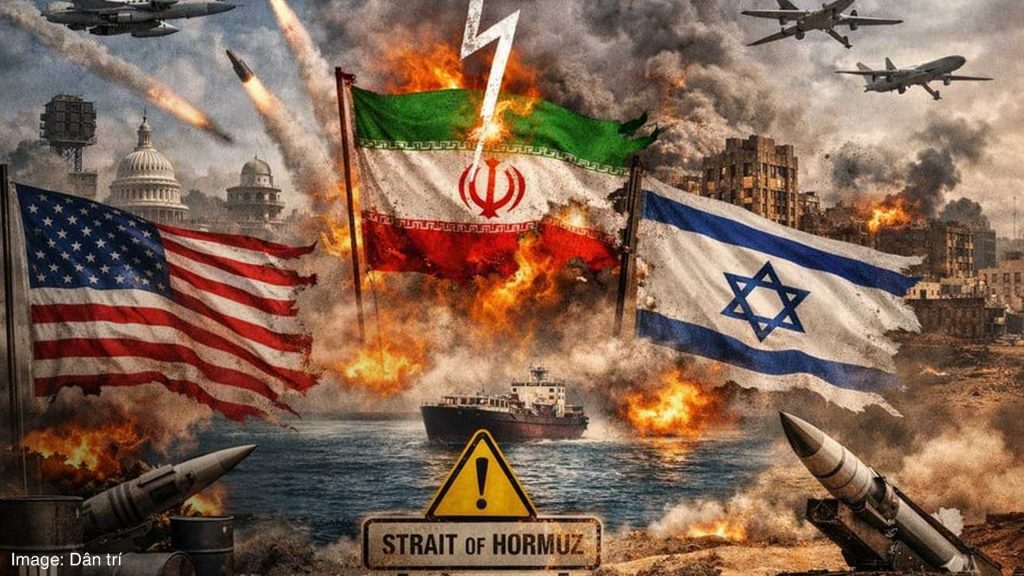
Following the renewed exchange, oil prices rose as markets reacted to the fresh escalation. Saudi Arabia has been rerouting jet fuel exports through the Red Sea port of Yanbu since Iran’s Hormuz blockade began in February, and that figure hit its highest level since August 2025 in the first week of June. The wider supply chain is already absorbing the cost of this war. Every new escalation adds to that bill.

The Ceasefire Is Hanging By A Thread

The ceasefire is not officially dead. That remains the technical reality.

But consider what has happened in 48 hours. A U.S. Apache went down near Hormuz. Washington publicly blamed Tehran. CENTCOM launched three waves of strikes on Iranian military infrastructure. Iran retaliated with drones and ballistic missiles across three Gulf countries. Jordan, Kuwait and Bahrain moved onto alert. Iran’s foreign minister issued a public warning telling the United States to “leave our region if you want to be safe.”

That is not what a functioning ceasefire looks like. No deal has been signed. No permanent agreement has been reached. The two months since April’s truce have produced a series of short pauses punctuated by escalations exactly like this one. Nobody is officially calling it a war tonight. But three countries just went on alert. The Strait of Hormuz is still a live battleground. And peace talks that Trump described as being “two or three days” from a deal now have to survive another round of strikes and counter-strikes before they can resume.

By Shizza Farooqui

SOURCES

CENTCOM: Apache Strikes, June 9 | Al Jazeera: Apache Downed, June 9 | Al Jazeera: Iran Retaliates, June 10 | NPR: Apache Exchange, June 9 | CNN: Iran Live, June 10 | Gulf News: Drone Rescue, June 9 | Dawn: Iran War Live, June 10

spot_img

Explore more

spot_img
Global Affairs

Isr*el Is Burning Lebanon From The Sky

Saudi Arabia Just Dug Up The Words Of Islam’s Second Caliph,...

The Most Hostile World Cup Ever

Your Closest Ally Is Spying On You.

AJK Is At A Crossroads. What Happens Next?

Pakistan’s Next Flood Is Already Forming.

The Rich Are Planning Doomsday Escapes.