What’s happening
A ceasefire between the United States and Iran that had been in place since April 8 has effectively collapsed, with fresh military exchanges now taking place across one of the most consequential stretches of water in the world.
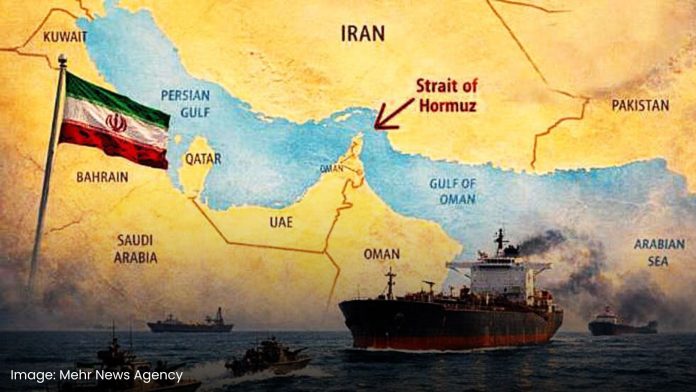
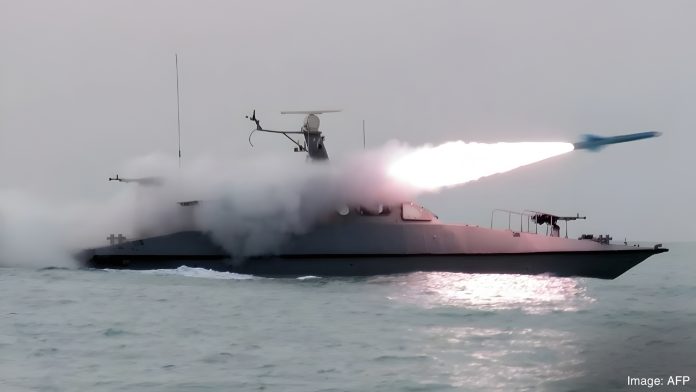
Fighting resumed in the Strait of Hormuz after US President Donald Trump launched “Project Freedom” — an effort to escort stranded commercial vessels out of the waterway, which Iran had maintained a near-total blockade over since late February. Iran warned that any American naval vessel approaching the strait would be considered a ceasefire violation and would face a severe response. Within hours, both sides were exchanging fire.
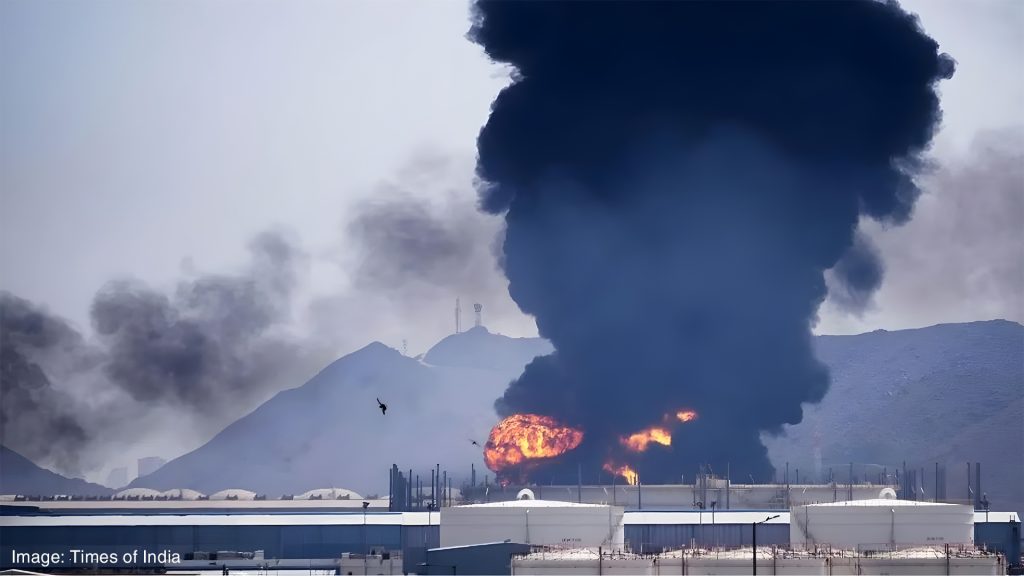
The United Arab Emirates confirmed that its air defenses engaged 19 Iranian missiles and drones — the first attacks on UAE soil since the ceasefire began. A fire broke out at the Fujairah Oil Industry Zone following an Iranian drone strike, injuring three Indian nationals. The location is significant: Fujairah is the endpoint of a pipeline specifically built to bypass the Strait of Hormuz, making it one of the UAE’s last remaining oil export routes not exposed to the blockade. Hitting it was a deliberate escalation.
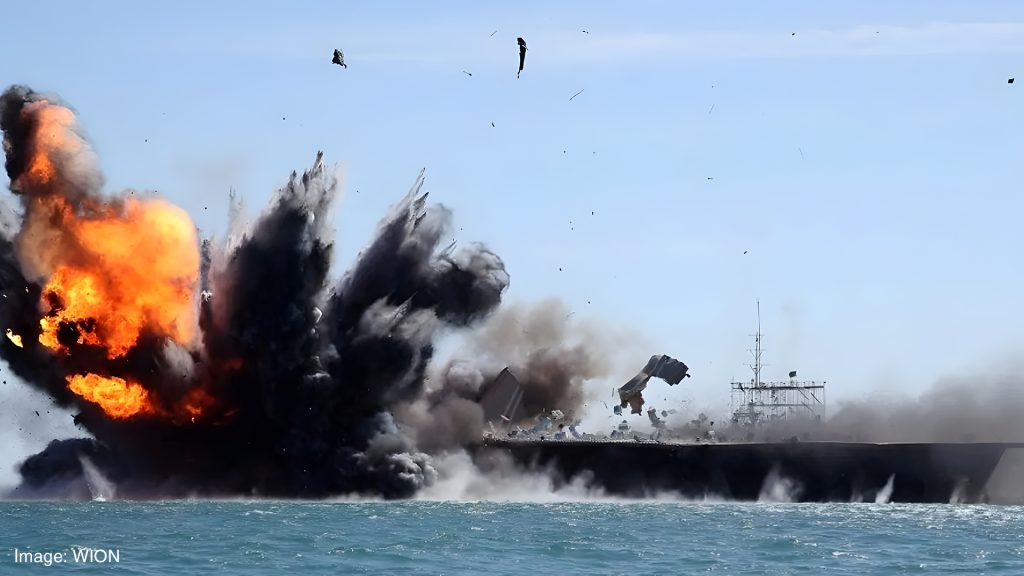
A South Korean-operated vessel also caught fire after an explosion in the strait. The ship was carrying 24 crew members, including six South Koreans. No casualties were reported, and Seoul’s foreign ministry confirmed the vessel would be towed to a nearby port for inspection.
Despite the scale of the exchanges, Trump declined to confirm whether the ceasefire was still in place. US Central Command head Admiral Bradley Cooper told reporters he would not weigh in on whether the truce still held, describing American forces as “merely there as a defensive force.” Iran’s foreign minister Abbas Araghchi, meanwhile, warned the US and UAE against being drawn into a “quagmire,” while insisting the situation remained a political crisis rather than a military one — even as the fires burned.
Why it matters
The Strait of Hormuz is not just a regional chokepoint. It is the artery through which approximately 20 percent of the world’s daily oil supply flows. Any sustained disruption here moves markets immediately and painfully.
Oil prices have already surpassed $108 per barrel. With Fujairah’s oil infrastructure now directly targeted, the UAE’s ability to maintain exports through its bypass route is under genuine threat for the first time since the conflict began.
The consequences extend well beyond energy traders. Rising oil prices drive up inflation, transportation costs, and food prices — affecting households and businesses across the globe. For import-dependent economies across South Asia and beyond, sustained disruption at this scale poses a serious threat to currency stability, trade balances, and growth.
Bigger picture
What makes this escalation particularly alarming is not just its scale but its timing. Negotiations between the US and Iran have been deadlocked since the ceasefire began, with Iran’s nuclear programme and its control of the strait remaining the two central points of contention. Trump’s Beijing visit next week — already complicated by the ongoing conflict — adds another layer of pressure, with China having called repeatedly for the strait to reopen.
At the same time, the wider region is deteriorating. Israeli strikes in Lebanon have killed at least 41 people despite an existing ceasefire there, contributing to a broader death toll that has surpassed 2,600. Hezbollah and Israeli forces have acknowledged a firefight that wounded two Israeli soldiers. Parallel conflicts are converging, and the risk of broader regional war is rising.
What next
Diplomatic channels remain open, but every exchange of fire narrows the window for a deal. The tanker strike and the attack on Fujairah are not abstract threats — they are proof that the physical infrastructure the global economy depends on is now directly in the line of fire.
If attacks on oil facilities and commercial vessels continue, supply disruptions will deepen and prices will climb further. The pain being felt now is not the ceiling. It may only be the beginning.
Restoring stability in the Strait of Hormuz will require more than a phone call or a pause in hostilities. It will require a deal that holds, trust that has to be rebuilt from scratch, and a commitment from all sides to step back from the edge.
None of that looks close right now.
Sources: Reuters | CNN | Al Jazeera | CNBC | AP | BBC | The Guardian | World Bank
#StraitOfHormuz #OilCrisis #IranUS #MiddleEastCrisis #GlobalEconomy #OilPrices #Geopolitics #WarNews #EnergyCrisis #Verum