The Draft Crisis That Could End Netanyahu

For years, Benjamin Netanyahu survived political scandals, corruption charges, regional wars, mass protests, and repeated elections by presenting himself as the one leader capable of keeping Isr*el stable during chaos.

Now that image may be starting to fracture.

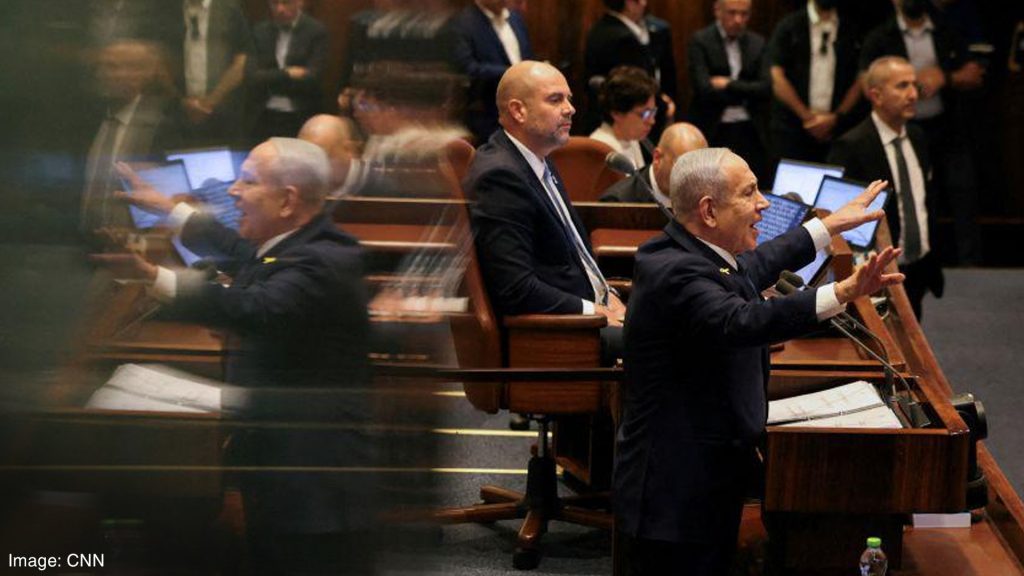
On May 20, Isr*el’s parliament voted 110-0 in a preliminary reading to advance a bill dissolving the Knesset and opening the path toward early elections. Netanyahu did not attend the vote. The bill still requires committee review and three additional readings before parliament is officially dissolved, but the political shock was immediate.

The deeper significance is not simply that elections could happen earlier than expected.

It is that the political system which held together through Gaza, Lebanon, Iran, and the aftermath of October 7 is beginning to show visible signs of strain from within.

The Military Draft Crisis Splitting Isr*el

The immediate trigger behind the crisis is military conscription.

For decades, ultra-Orthodox religious parties supported Netanyahu in exchange for government subsidies and exemptions allowing many yeshiva students to avoid mandatory military service. That arrangement survived years of political controversy because Netanyahu’s coalition depended heavily on Haredi support.

But after nearly three years of regional conflict, reserve mobilization, and military pressure across Gaza, Lebanon, Syria, and confrontation with Iran, anger over unequal wartime sacrifice has intensified inside Isr*el.

Many reservist and secular families increasingly ask the same question: why should some children fight while others remain exempt?

Then, in January, a 14-year-old boy named Yosef Eisenthal was killed when a bus drove through a crowd at an anti-draft protest in Jerusalem. He was a yeshiva student. He was not a soldier. He died in a street dispute over whether people like him should ever have to become one. That moment turned an abstract political argument into something much harder to ignore.

Ultra-Orthodox parties eventually revolted after rejecting Netanyahu’s latest draft exemption proposal. Coalition allies signaled they were no longer fully committed to preserving the current government and pushed for elections as early as September 15, even during the High Holidays.

Netanyahu was then forced to withdraw coalition legislation from the parliamentary agenda after the public rebellion inside his own alliance.

Pressure Is Growing Beyond Parliament

The crisis is no longer limited to political negotiations.

Hostage families, reservists, anti-war protesters, and foreign allies are now pressuring Netanyahu from different directions at once.

Inside Isr*el, growing frustration over the handling of the Gaza war, the hostage crisis, military casualties, and prolonged instability has weakened public confidence in the government. Internationally, criticism over Gaza has intensified diplomatic pressure and further isolated Netanyahu’s administration abroad.

The wars that initially unified much of Isr*eli society after October 7 are now exposing deeper internal divisions around military burden-sharing, leadership, and the country’s long-term direction.

Netanyahu himself is also facing growing personal scrutiny. Alongside coalition fractures and an ongoing corruption trial, public discussion around his long-term political durability has intensified. For many Israelis, he increasingly appears less like the man controlling the crisis and more like a leader trapped inside it.

But Many Israelis Fear What Comes Next

The uncomfortable reality for many Netanyahu critics is that removing him may not necessarily calm Isr*eli politics.

Former prime ministers Naftali Bennett and Yair Lapid recently merged political forces into a new bloc called Together in an attempt to challenge Netanyahu’s rule. Current polling suggests Netanyahu’s Likud party remains highly competitive despite the crisis, while opposition blocs still struggle to secure a stable governing majority without Arab-party support.

At the same time, Isr*eli politics overall has shifted further right since October 7. Some Israelis who oppose Netanyahu still fear that a post-Netanyahu government could become even more nationalist and confrontational, especially after years of war and rising public anger.

That is what makes this moment particularly unstable. The issue is no longer only whether Netanyahu survives politically. It is whether the political balance that shaped Isr*el for years can continue surviving the pressures created by prolonged war, military exhaustion, social division, and international backlash.

A Bigger Realignment May Be Beginning

What Isr*el is facing now may be larger than one election cycle or one coalition crisis.

The draft revolt, the hostage protests, the coalition fractures, the growing international criticism, and the uncertainty around future leadership all point toward a deeper political and societal realignment that may continue reshaping Isr*el long after this immediate crisis ends.

Even if Netanyahu survives this moment politically, the anger and divisions driving the crisis are unlikely to disappear with him.

By Shizza Farooqui

Sources: Reuters, AP News, Al Jazeera, Times of Isr*el, Haaretz, NPR

For years, Benjamin Netanyahu survived political scandals, corruption charges, regional wars, mass protests, and repeated elections by presenting himself as the one leader capable of keeping Isr*el stable during chaos.

Now that image may be starting to fracture.

On May 20, Isr*el’s parliament voted 110-0 in a preliminary reading to advance a bill dissolving the Knesset and opening the path toward early elections. Netanyahu did not attend the vote. The bill still requires committee review and three additional readings before parliament is officially dissolved, but the political shock was immediate.

The deeper significance is not simply that elections could happen earlier than expected.

It is that the political system which held together through Gaza, Lebanon, Iran, and the aftermath of October 7 is beginning to show visible signs of strain from within.

The Military Draft Crisis Splitting Isr*el

The immediate trigger behind the crisis is military conscription.

For decades, ultra-Orthodox religious parties supported Netanyahu in exchange for government subsidies and exemptions allowing many yeshiva students to avoid mandatory military service. That arrangement survived years of political controversy because Netanyahu’s coalition depended heavily on Haredi support.

But after nearly three years of regional conflict, reserve mobilization, and military pressure across Gaza, Lebanon, Syria, and confrontation with Iran, anger over unequal wartime sacrifice has intensified inside Isr*el.

Many reservist and secular families increasingly ask the same question: why should some children fight while others remain exempt?

Then, in January, a 14-year-old boy named Yosef Eisenthal was killed when a bus drove through a crowd at an anti-draft protest in Jerusalem. He was a yeshiva student. He was not a soldier. He died in a street dispute over whether people like him should ever have to become one. That moment turned an abstract political argument into something much harder to ignore.
Ultra-Orthodox parties eventually revolted after rejecting Netanyahu’s latest draft exemption proposal. Coalition allies signaled they were no longer fully committed to preserving the current government and pushed for elections as early as September 15, even during the High Holidays.

Netanyahu was then forced to withdraw coalition legislation from the parliamentary agenda after the public rebellion inside his own alliance.

Pressure Is Growing Beyond Parliament

The crisis is no longer limited to political negotiations.

Hostage families, reservists, anti-war protesters, and foreign allies are now pressuring Netanyahu from different directions at once.

Inside Isr*el, growing frustration over the handling of the Gaza war, the hostage crisis, military casualties, and prolonged instability has weakened public confidence in the government. Internationally, criticism over Gaza has intensified diplomatic pressure and further isolated Netanyahu’s administration abroad.

The wars that initially unified much of Isr*eli society after October 7 are now exposing deeper internal divisions around military burden-sharing, leadership, and the country’s long-term direction.

Netanyahu himself is also facing growing personal scrutiny. Alongside coalition fractures and an ongoing corruption trial, public discussion around his long-term political durability has intensified. For many Israelis, he increasingly appears less like the man controlling the crisis and more like a leader trapped inside it.

But Many Israelis Fear What Comes Next

The uncomfortable reality for many Netanyahu critics is that removing him may not necessarily calm Isr*eli politics.

Former prime ministers Naftali Bennett and Yair Lapid recently merged political forces into a new bloc called Together in an attempt to challenge Netanyahu’s rule. Current polling suggests Netanyahu’s Likud party remains highly competitive despite the crisis, while opposition blocs still struggle to secure a stable governing majority without Arab-party support.

At the same time, Isr*eli politics overall has shifted further right since October 7. Some Israelis who oppose Netanyahu still fear that a post-Netanyahu government could become even more nationalist and confrontational, especially after years of war and rising public anger.

That is what makes this moment particularly unstable. The issue is no longer only whether Netanyahu survives politically. It is whether the political balance that shaped Isr*el for years can continue surviving the pressures created by prolonged war, military exhaustion, social division, and international backlash.

A Bigger Realignment May Be Beginning

What Isr*el is facing now may be larger than one election cycle or one coalition crisis.

The draft revolt, the hostage protests, the coalition fractures, the growing international criticism, and the uncertainty around future leadership all point toward a deeper political and societal realignment that may continue reshaping Isr*el long after this immediate crisis ends.

Even if Netanyahu survives this moment politically, the anger and divisions driving the crisis are unlikely to disappear with him.

By Shizza Farooqui

Sources: Reuters, AP News, Al Jazeera, Times of Isr*el, Haaretz, NPR
spot_img

Explore more

spot_img
Science & Technology

AI Just Destroyed College Degrees

10,000 People Paid To Hear Their Pets

Trump’s Iran Deal: Three Men Can Stop It

6,000 Died in 3 Days. Sudan’s UAE Mercenary Story Is Darker...

Three Ceasefires. Three Active Wars.

Gaza’s Mass Graves: Children Found Bound And Buried

Saudi Arabia’s Trillion Dollar Dream Is Collapsing

26 People Down In Tokyo. Nobody Knows Why.